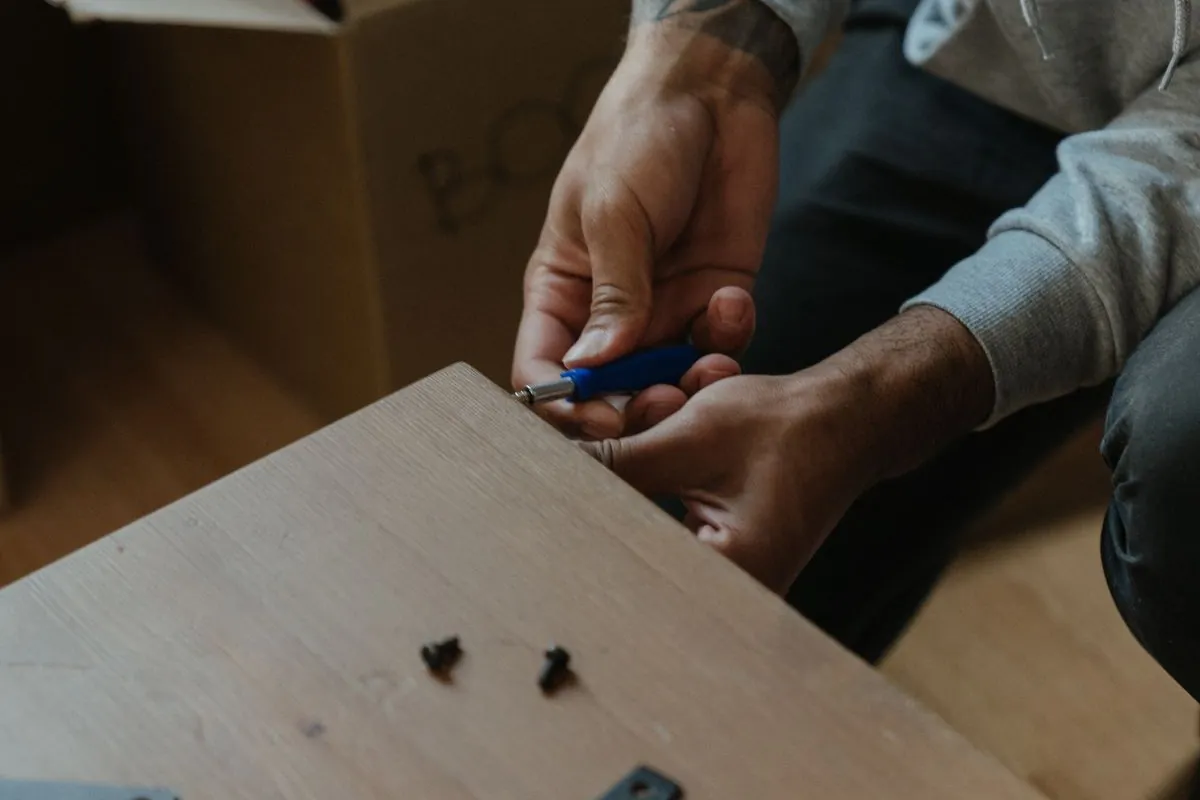
Flat pack furniture disposal in Dubai runs on one fact that separates it from every other kind of furniture: the piece was built once, in the room it is standing in, and it was never engineered to go back the other way. That makes taking it apart a decision rather than a step in the job — and for a lot of collections the right answer is to leave it standing and carry it out as it is. This guide covers when dismantling genuinely helps, when it costs you time for nothing, and what happens to the board once it leaves.
Why flat-pack behaves differently from other furniture
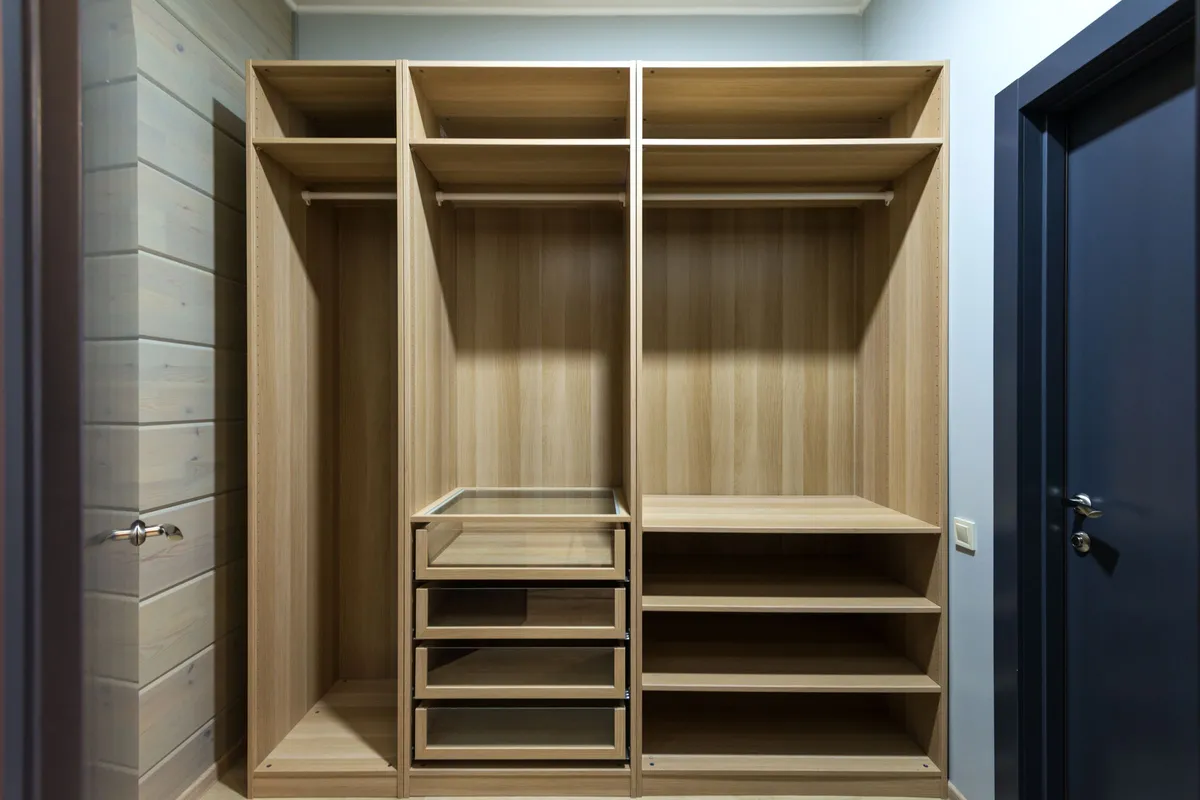
Solid furniture is joined. Flat-pack furniture is fastened. The fittings that hold a flat-pack carcass square — the barrel-shaped cam locks, the glued-in dowels, the coarse screws driven straight into the board — are all one-use items in practice. They grip a fresh hole well and a second-hand hole poorly, and the board around them gives way before the fitting does.
That is why the usual advice about preparing furniture for collection does not transfer cleanly here. Taking a solid wardrobe apart makes it easier to move and keeps it worth something. Taking a flat-pack wardrobe apart makes it easier to move and, in most cases, ends it. Both things can be true at once, and which one matters depends entirely on where the piece is going.
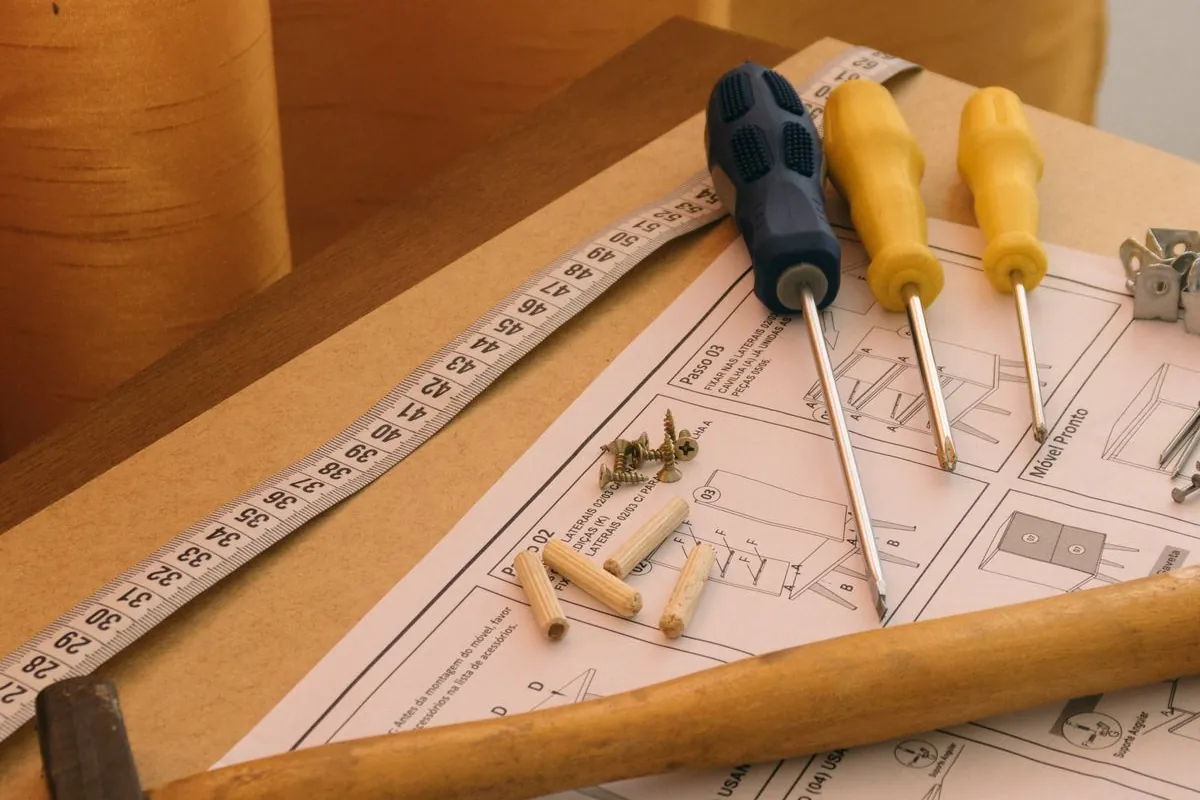
Should you take it apart before collection?
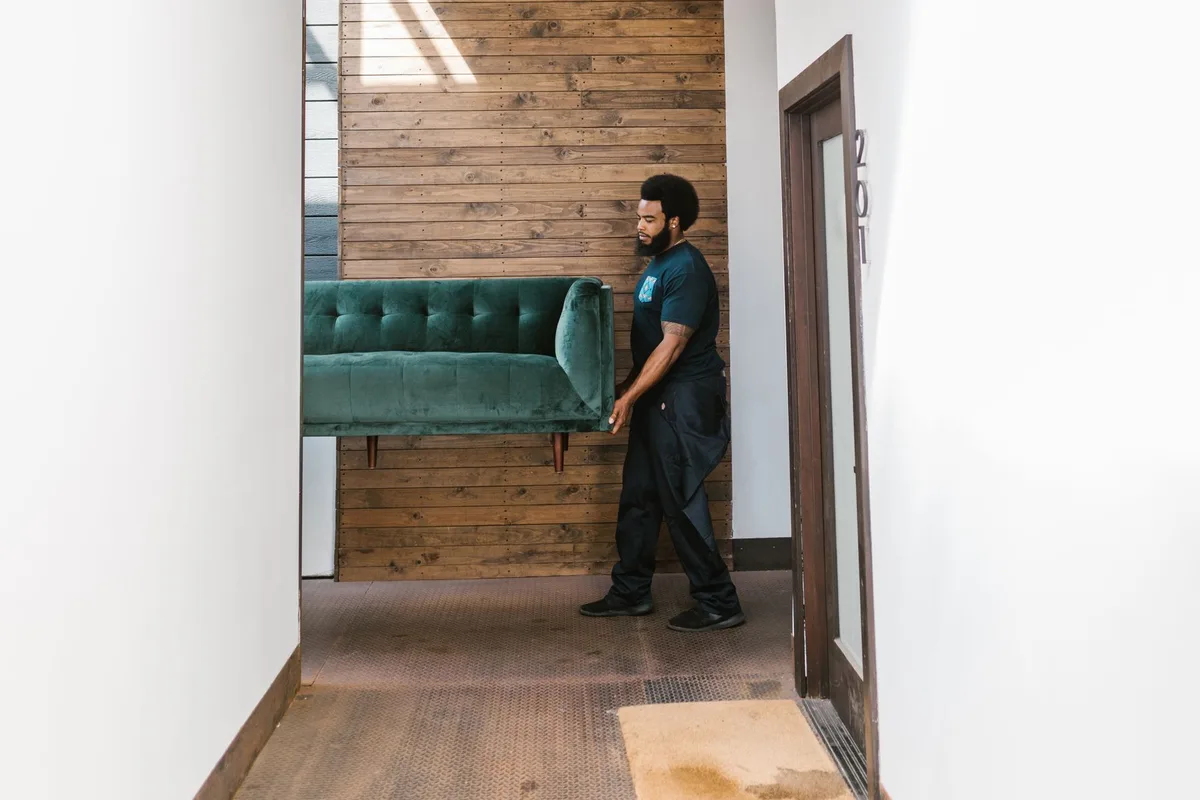
Usually not, if a crew is doing the collection. A built unit that fits through the door is quicker to carry out whole than to reduce to panels, and the time saved on the vehicle rarely repays the time spent on the floor of your bedroom.
There are three situations where it genuinely changes the job:
- The piece will not physically leave the room. A tall wardrobe that was built inside a small bedroom sometimes cannot be turned to get through the doorway, and there is no way out except in panels.
- You are moving it yourself, in a car. Panels stack; a carcass does not. This is the one case where the volume difference is worth the destruction.
- It is already coming apart on its own. A unit that has started to fail at the joints is safer flat than upright, particularly if it has to travel down a service lift with people in it.
Everything else is a preference rather than a requirement. If you enjoy the work or want the room clear before the crew arrives, take it apart — just do it because you want to, not because you think the collection needs it. And if a piece is going for disposal rather than to a new home, the small bags of bolts and cam locks are not worth keeping. Nobody is rebuilding it.
The half-dismantled unit is the worst state of all
The state to avoid is the middle one: a wardrobe with its doors off and its back panel loose, still standing, because the job was started on a Friday and not finished. It is worse than either extreme. It has lost the rigidity that made it safe to move as one object, and it has not gained the flatness that makes panels easy to stack and carry.
A part-dismantled carcass also behaves unpredictably when it is lifted. The weight shifts as it flexes, corners that were square are not, and a panel that is only held by two fittings can swing without warning while somebody is walking backwards through a doorway.
If you have already reached that point, finish it rather than reverse it. Get the remaining panels apart, lay them flat in one stack against a wall, and put the small parts in a bag on top so nobody stands on a loose screw. If you would rather not, say so when you book — a partly dismantled unit is a normal thing for a crew to arrive to, and it only causes a problem when it is a surprise.
It rarely leaves one piece at a time
Flat-pack is the furniture people buy for a stay rather than for a home. In a city where a great many residents are here on a fixed contract and a lease that runs a year or two at a time, a semi-furnished flat gets topped up with a wardrobe, a shoe rack, a desk, a chest of drawers, a shelving unit and a laundry basket — bought at different points, all from the same kind of shop, and all reaching the end of their usefulness on the same day.
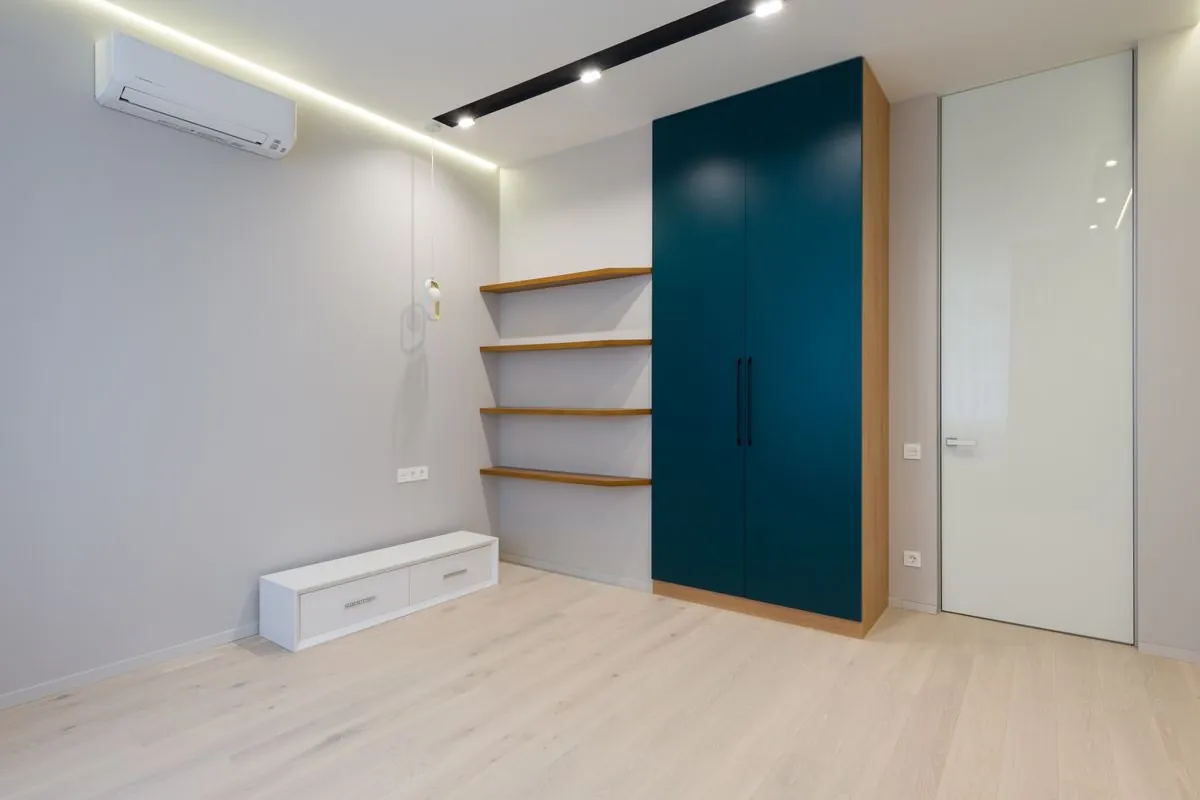
The practical consequence is that flat-pack collections are usually multi-item collections, and the items people forget are the small ones. Shoe racks, bedside tables, over-door hooks on a frame, a folding clothes airer and the plastic drawer tower in the store room all add up to more space on a vehicle than the one wardrobe everybody thinks of as the job.
Count them before you ask for a price, and count the ones in the maid's room and on the balcony too. It is a quicker conversation than adding four items at the door.
What happens to it after it leaves
Be honest with yourself about the second-hand question. A flat-pack piece that is still boxed and unbuilt is genuinely wanted, and it moves quickly. A flat-pack piece that has been built and used is a much harder thing to pass on, because whoever takes it either has to move it assembled — awkward, and often the whole reason you are getting rid of it — or take it apart and accept that it may not go back together properly.
Where a unit is sound and somebody wants it assembled, that is a good outcome and worth arranging. Where it is not, there is no need to feel you have wasted something. The piece did the job it was bought for.
At the end of its life, faced board is a less rewarding material than solid timber. The panels are wood particles bonded with adhesive and finished with a printed foil or laminate, and that surface layer is exactly what makes them hard to feed back into a timber stream. Metal fittings, glass doors and any mirror panels are worth separating where they can be, and the board itself is generally handled as bulky waste rather than recovered as wood. Nobody should tell you otherwise.
What to tell us when you book
- How many pieces there are in total, including the small ones in store rooms and on balconies.
- The tallest item's height, and whether it was assembled inside the room it is standing in.
- Whether anything is already partly dismantled, and whether you want the rest taken apart or carried out whole.
- Whether any unit is fixed to a wall, since a bracket behind a tall wardrobe is easy to miss and awkward to discover mid-lift.
- Whether anything is still boxed and unbuilt, because that changes what happens to it rather than just how it travels.
Flat-pack furniture asks less of a collection than almost anything else in a home: it is light for its size, it has no hidden mechanism, and it does not need a second person to lift it. The only thing it asks is that you decide, before anyone starts, whether the piece is going out whole or going out flat — and then commit to one of them.