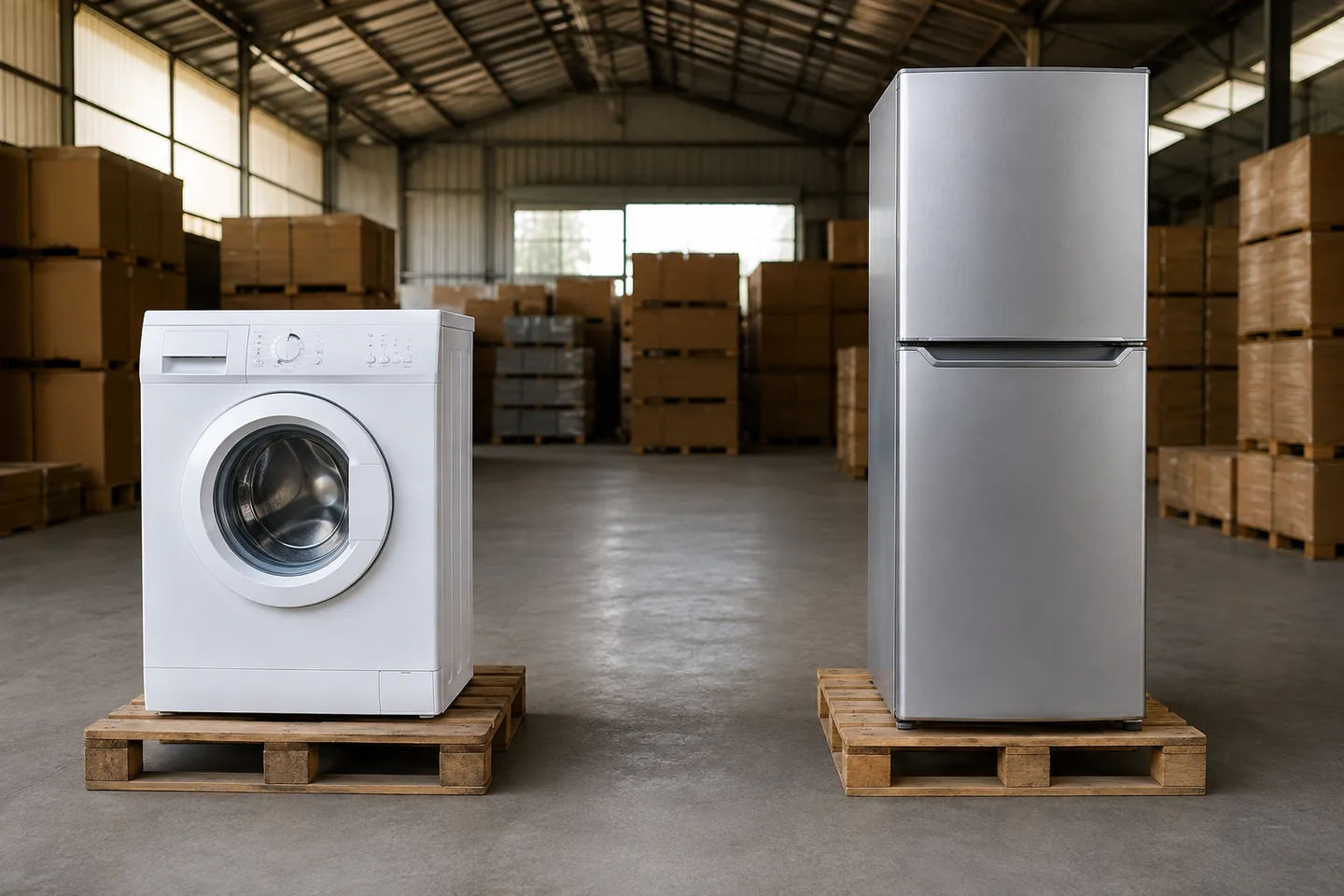
After house clearance, items may go for reuse, material recovery, separate specialist handling or disposal. A single collection can contain all four possibilities. When arranging house clearance in Dubai, ask how the different contents will be treated; the fact that they leave your home together does not give them one shared destination.
What happens to items after house clearance depends on the load
A home is not one material. A dining set, a tired mattress, a working microwave and a bag of broken crockery need different decisions, even when they were standing in the same room. The first useful distinction is between keeping an object useful as an object and recovering some of the material inside it.
- Reuse keeps an item in service, through an agreed handover, donation or resale route. It needs a willing recipient and a suitable item.
- Material recovery separates useful materials from items that will no longer be used whole. Recoverability depends on construction, condition and the receiving operation.
- Separate handling applies to contents that the ordinary mixed load cannot accept or process as described. Identify them before collection and confirm a suitable route.
- Disposal covers material for which the arranged route provides no reuse or recovery option. Do not describe that remainder as recycled.
These are possible outcomes, not a promise that every collector provides every route. Ask what the quoted collection actually includes and which categories need a different booking. This is especially useful when a whole apartment must leave during one building access window.
Usable furniture needs an item-level decision
A clean, complete chair can be considered for reuse separately from the damaged sofa beside it. Calling the entire room either good furniture or rubbish hides that difference. Describe each larger piece by condition and completeness, and include damage in photographs instead of showing only its best side.
An intended recipient may decline an item after inspection. A photograph cannot always show a loose frame, a persistent smell or missing fittings. Until acceptance is clear, retain a fallback instruction for that item rather than assuming the whole collection has been accepted for donation.
Donation is also different from resale. If giving particular belongings to a recipient matters to you, agree that arrangement explicitly before handing them over. The guide to coordinating donations during house clearance explains offers, acceptance and collection timing in more detail.
Keep reusable sets and their parts together
A complete item can become much harder to pass on when its parts leave in unrelated bags. Keep table legs with their tabletop, shelves with their cabinet and the correct fittings with the furniture they belong to. Tell the collector when several pieces form one set so that an incomplete group is not mistaken for the whole item.
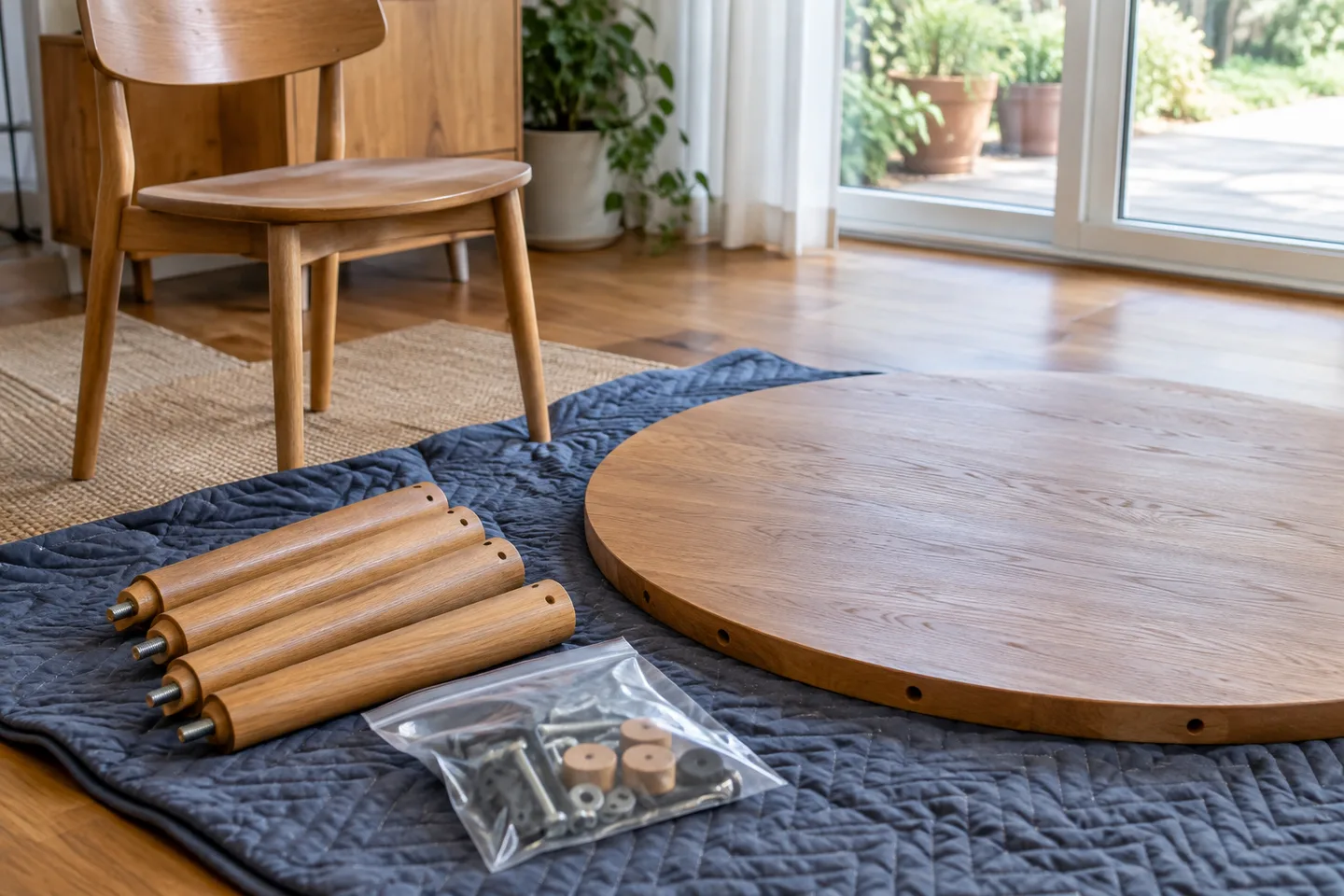
Separate personal belongings before this grouping starts. A drawer belonging to a cabinet is part of the cabinet; passports or photographs found inside it are not. Make that distinction while the furniture is still in your home, where you can recognise what belongs together and what belongs with you.
Recycling decisions follow materials, not room names
A bedroom load can contain wood, metal, upholstery, electronics and mixed small items. Some objects combine several materials in ways that make separation difficult. The presence of a metal frame does not establish that every part of the object can or will be recovered.
Do not break furniture apart merely to make it look recyclable. Unnecessary dismantling can remove a reuse option, create awkward loose pieces and still fail to produce a material stream the recipient accepts. How furniture recycling works in Dubai explains the material questions without treating every wooden panel or upholstered item as equivalent.
Keep clean, dry paper and cardboard separate from wet or dirty contents if you want the collector to assess them separately. Do not add leaking containers or unidentified substances to those groups. Tell the operator exactly what is present and obtain a separate answer for anything outside the accepted household load.
Electronics should remain identifiable within the household list
A box described as miscellaneous household items gives little warning that it contains electrical equipment. List the devices separately, state whether their condition is known and say if batteries or other special contents are present. Ask the operator which items it accepts and how those items will be separated from ordinary furniture.
This article does not provide device treatment or data-erasure instructions. Keep devices containing personal information out of the general clearout until you have addressed that information. For the onward stages of electrical equipment, use the guide to what happens to appliances after collection.
One pickup can still involve several onward routes
In an apartment in Dubai Marina, separate recipients may not be able to attend the same reserved service-lift slot. That logistical constraint does not make their destinations interchangeable. Decide whether the clearance operator can carry the identified groups under the arrangements you want, or whether some items should leave in separate visits.
Packing also needs to preserve the distinctions you have agreed. Do not place donation clothes, broken ceramics and loose fittings in an indistinguishable run of bags. A short contents list and clearly separated groups give the collector a better basis for matching the load to the plan.
Describe the result category by category
Once collection is complete, distinguish what is confirmed from what remains unknown. You might know that a table reached its recipient while only knowing that the remaining furniture was collected for sorting. Neither fact establishes the final outcome of the other items.
An empty home is the completion of the removal job. Reuse and recovery are separate outcomes that depend on what happened to each group afterwards. Agree the categories before pickup, keep complete belongings together and ask for an account of the actual outcome without assuming the whole load followed its best possible route.