
A house clearance can include charitable donations, but a pile labelled “donate” is not yet an accepted collection. When arranging house clearance in Dubai, keep each donation offer separate from the items approved for general removal until acceptance and transport are confirmed. This guide covers coordinating several groups of household goods within one clearance, rather than promising that one organisation will take the whole home.
Separate an offer, an acceptance and a handover
Record which stage each group has reached. An offer means you have described the goods to a potential recipient; acceptance means they have agreed to specified items subject to their stated conditions. Handover means the goods have actually left through that agreed arrangement, which is the point at which they can be removed from the remaining property list.
These distinctions matter when the home contains furniture, kitchenware, clothing and appliances. One response may cover only part of the offer, and collection arrangements may differ between groups. Do not describe everything as allocated simply because a recipient has replied about the sofa.
- Offered: the goods have been described, with no confirmed acceptance yet.
- Accepted: the recipient has identified what they can take and any conditions.
- Scheduled: the date, access and responsibility for transport are agreed.
- Handed over: the actual items collected are recorded, including anything left behind.
Offer clear groups with their actual condition
Describe the goods by type, quantity and condition, with photographs that show the whole item and relevant wear. Distinguish complete usable pieces from damaged or unassessed ones. Let the recipient state what they accept now rather than applying a blanket rule about what charities always want.
For furniture, the furniture donation guide covers the item and transport questions in more detail. For appliances, use the working appliance donation guide alongside direct confirmation from the intended recipient. Neither an older article nor a general donation statement confirms acceptance for this particular load.
Keep unverified equipment described as unverified. Household chemicals, personal documents and other items needing separate handling should not be hidden inside a mixed donation carton. The recipient should be able to assess the offer without discovering a different load when someone arrives to collect it.
Keep the accepted item complete until handover
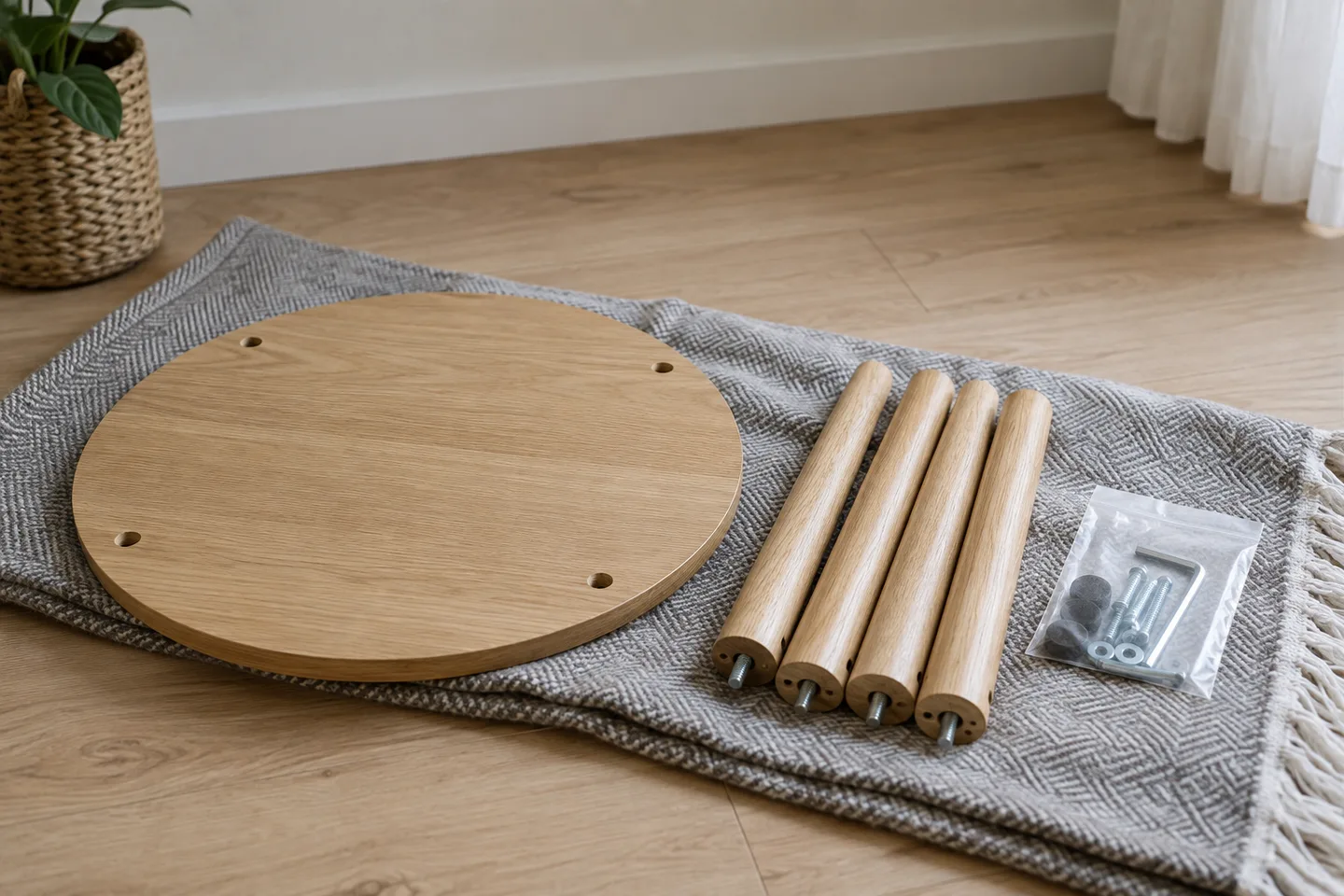
Preserve the components that make an accepted item usable. Keep furniture fixings, detachable shelves, matching lids or appliance accessories with the right item, as appropriate. An accepted table and a box of unlabelled parts separated into different loads may no longer be the offer the recipient agreed to take.
Ask how the recipient wants the item prepared before dismantling or packing changes its condition. If a collector will transport goods on your behalf, make sure their instruction matches that preparation. Record which group each carton belongs to in your own list so it cannot be confused with ordinary removal packaging.
Agree who carries, transports and receives the goods
Acceptance does not settle the transport. Confirm who collects from the room, who supplies the vehicle and who receives the goods at the other end. If those are different people or organisations, make sure each has agreed their part before the property clearance depends on it.
When asking a clearance company to handle a donation delivery, request that task explicitly. State the accepted goods, destination arrangements and any receiving window, then ask whether the service can accommodate them and what it includes. A standard collection should not be assumed to include a separate journey to a recipient of your choice.
In a Dubai Marina apartment, coordinate the actual collections with the building’s access arrangements. Two recipients arriving independently may need different windows or instructions. Keep the goods within the agreed private space until loading, rather than treating a shared lobby as a donation holding area.
Make donation collections visible to the clearance crew
Share the status list when requesting the removal quote. Identify accepted goods that will be collected separately, unconfirmed offers and the items already approved for removal. The collector then knows which volume is definite and which depends on another arrangement being completed.
- Agree the donation scope and transport before confirming its place in the schedule.
- Keep accepted goods identifiable and separate from the general removal group.
- Record what each recipient actually takes, not just what was offered.
- Update the remaining removal list after those handovers.
- Confirm any changed collection scope and price before the final crew loads.
Leave time to reconcile the lists between visits where the schedule permits. If donation and clearance must occur close together, nominate one person to control the handovers. Several helpers giving different instructions can turn an orderly set of offers into uncertainty about which vehicle should take a particular box.
Plan for a partial acceptance or missed collection
Ask what happens if a recipient accepts fewer items than offered or cannot complete the planned pickup. The remaining goods still need an authorised decision and a workable route. Do not assume either that the clearance company will take extra items without a revised brief or that a charity will return before your deadline.
Set a review point before the final clearance so unconfirmed offers can be reconsidered while options remain. That review should produce a fresh decision: keep the item, arrange another confirmed handover or approve it for an appropriate collection. An unanswered message is not evidence that donation has occurred.
The house clearance quotation guide explains how to keep the final scope clear. If the remaining load changes, update the photographs and item list. That is more reliable than asking the crew to work out on arrival which of several expected donations actually happened.
Describe the outcome accurately
Keep a simple record of the recipient and the goods actually handed over, using any acknowledgement they provide. Ask about documentation in advance if you need it; do not assume a receipt, valuation or item-by-item destination report is included. A clearance invoice alone does not prove that a named charity received the contents.
A coordinated donation plan gives usable goods an agreed opportunity to reach a recipient while keeping the property clearance manageable. Treat acceptance and transport as real arrangements, retain complete groups and revise the removal list after each handover. That keeps good intentions connected to what actually leaves the home.