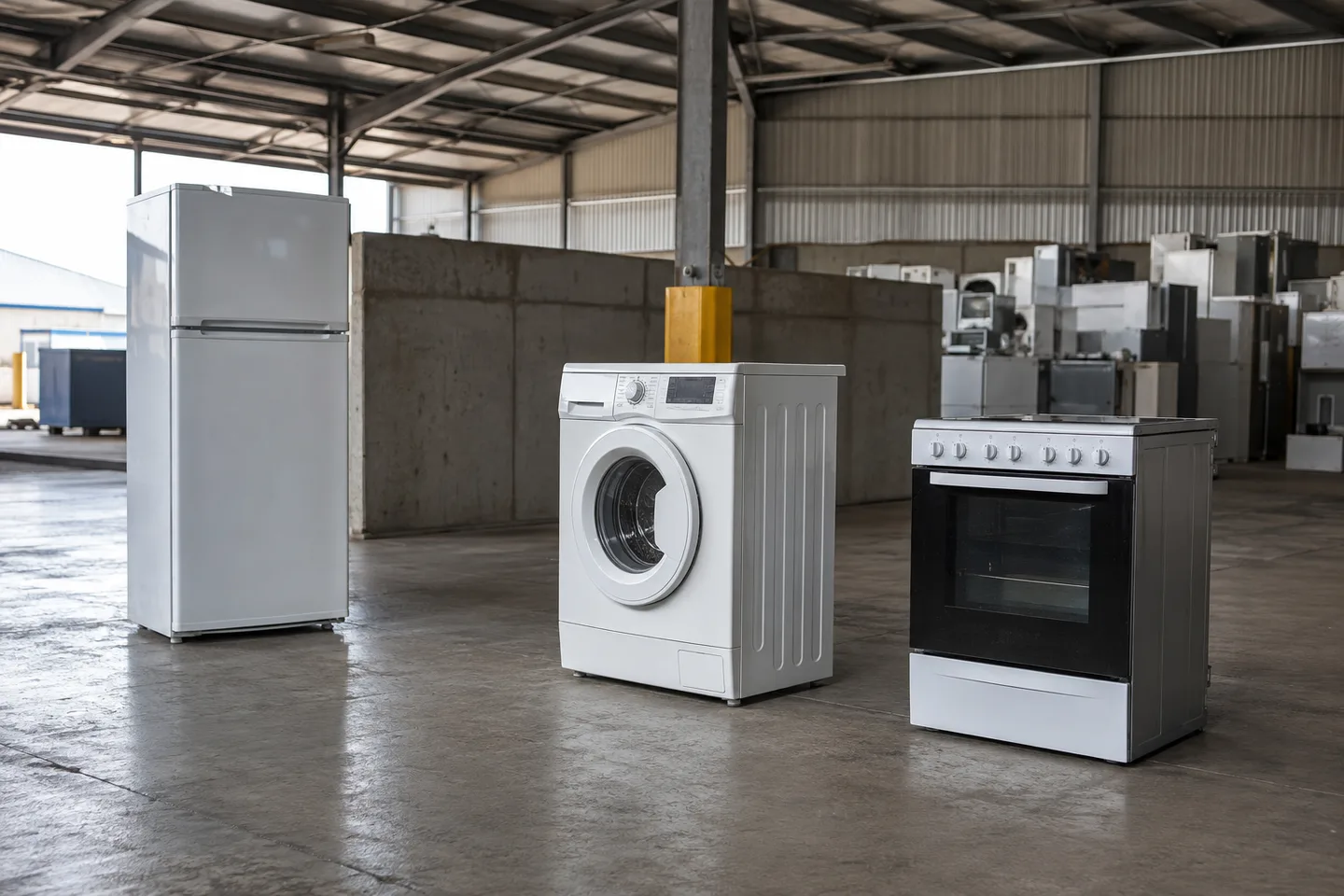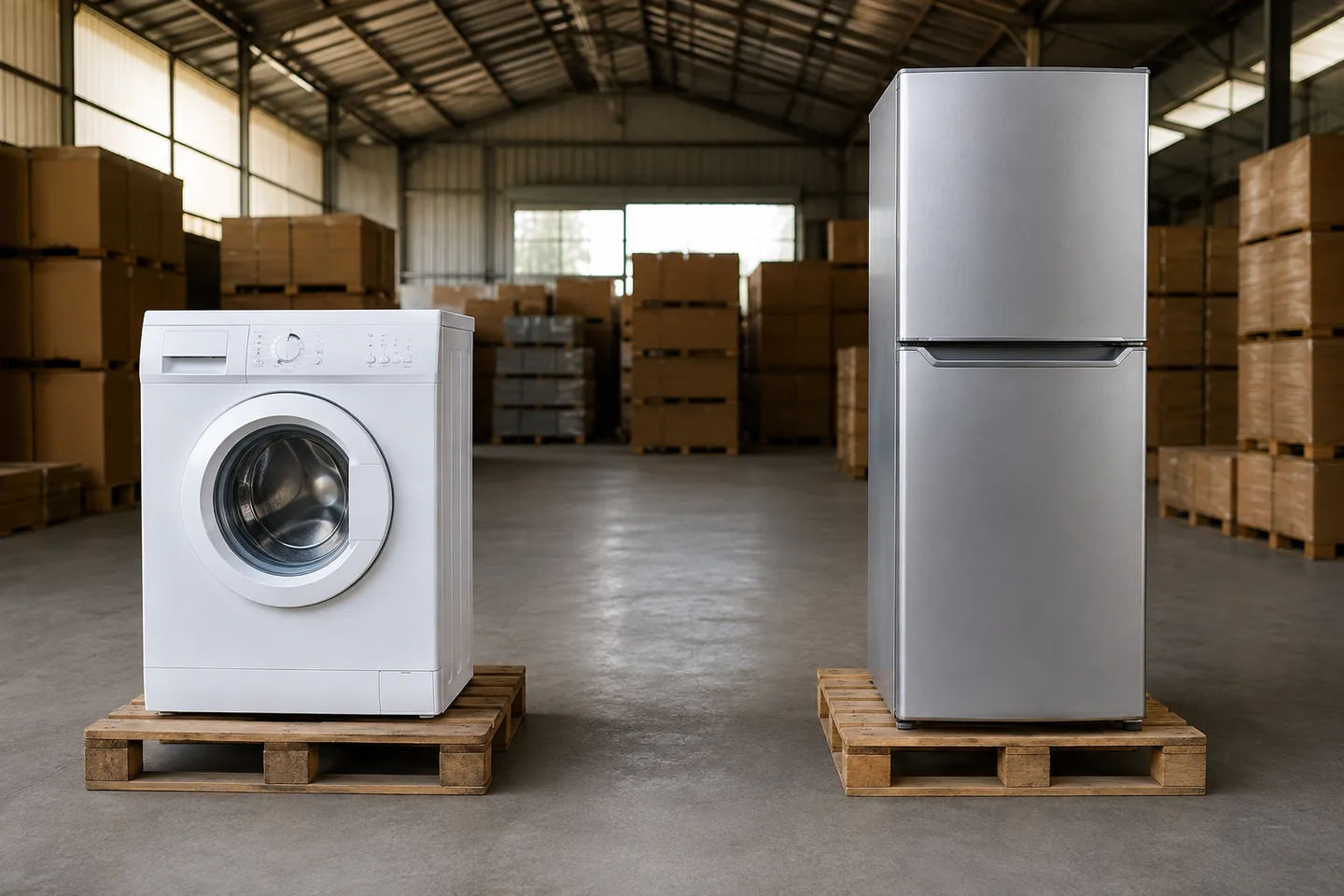
After collection, an old appliance may be assessed for reuse, passed to a repair or parts route, or sent for material recycling and management of the remaining waste. Which route applies depends on its condition, the receiving operator and the service agreed. A pickup receipt confirms a handover; it does not, on its own, tell you which of those outcomes followed. The handover itself is the simple part; see how appliance removal in Dubai is booked and what the receipt confirms.
What are the possible routes after pickup?
- Reuse: an appliance accepted as suitable for further use can be passed on through an agreed recipient or resale route.
- Repair or parts recovery: equipment may be assessed for repair, or useful components may be recovered where there is a suitable outlet.
- Material recycling: end-of-life equipment is directed to appropriate treatment and material recovery.
- Residual waste management: materials that cannot be recovered still need an appropriate destination.
These are possible routes, not a statement that every collected appliance receives each treatment. A collection business may transport items to another operator rather than inspect, repair or recycle them itself. Ask where the handover happens if the final destination matters to your decision.
Why your description affects the next decision
Condition information helps the receiver decide what assessment is needed. “Working when last used, but stored for a year” says something different from “running this morning without a known fault”. Neither description replaces inspection, but both are more useful than calling everything either perfect or scrap.
List missing components and unresolved faults. A fridge with a missing shelf, a washer with an intermittent leak and an oven that trips the power should not be presented as equivalent donation candidates. If you want a working machine passed on, confirm acceptance with the intended recipient or route; a request for removal alone does not reserve it for donation.
For a landlord replacing appliances across Dubai apartments, tie the condition note to the individual machine and unit. One summary such as “three old washers” loses the distinction between the functioning spare and the failed units. A simple inventory helps keep the collection request and the receiving decision connected.
Does the first receiving yard recycle everything itself?
Not necessarily. The first receiving point may sort or consolidate equipment before transferring it to another processor. An intermediate stop is not automatically a problem; the useful question is whether the operator can explain the next route for the appliance category.
Keep the explanation specific. “The cooling appliances go to a specialist receiver” needs a follow-up if you require evidence: ask who receives them and what confirmation can be supplied. Do not assume the crew moving a fridge through your building’s service lift also operates the equipment that treats it.
What does each kind of record actually show?
- Collection confirmation records the items handed over, the date and the collecting party. It is evidence of pickup.
- Receiving confirmation identifies a later handover if the operator provides it. Read whether it refers to your items or a consolidated load.
- Treatment or recycling confirmation describes the activity covered by that document. Check the item or batch reference and what outcome is actually stated.
Document names vary, so read the content rather than relying on the heading. A paper headed “recycling certificate” is not enough if it identifies neither the relevant equipment or load nor the activity it confirms. Conversely, a plain written receiving record can answer a specific handover question without claiming the entire process is finished.
For a single household appliance, individual tracking may not be included in a standard collection service. Ask before booking if you need it. Once items join a consolidated load, the available evidence may describe that batch rather than the eventual destination of your exact machine.
How do you agree the outcome before pickup?
- State whether reuse is acceptable or whether you need a particular treatment route.
- Send an item list with condition notes and photos; add identifying details if individual records matter.
- Ask what the collection price includes and whether the requested evidence is available.
- Agree who will provide the follow-up and when you should expect it.
- Keep the agreed scope and collection confirmation together so the later record can be matched to them.
A resident moving out of a Business Bay apartment may mainly need confirmation that the agreed appliances left the flat. A property manager reporting a recycling outcome needs evidence beyond an empty-kitchen photo. Decide which question you need answered so you request the right record rather than collecting paperwork that does not support the claim.
What if the operator cannot confirm the final outcome?
Describe only what you can substantiate. If all you hold is a pickup confirmation, record that the appliance was collected for the stated route, rather than reporting that it was fully recycled. If the operator cannot supply the evidence you need, establish a different arrangement before handover.
Be equally precise about photographs. An image of your cleared utility room verifies removal from that room; a photograph of appliances at a yard does not necessarily identify yours. Ask for clarification of a missing item or batch reference instead of assuming a general facility image closes the record.
Close the record with the answer you actually received
The most useful follow-up is one that connects the agreed route, the collected item and the evidence available. Keep those together and distinguish any unconfirmed stage. You can then explain what happened after collection honestly, without turning a promise of recycling into a claim that the final treatment has already been verified.