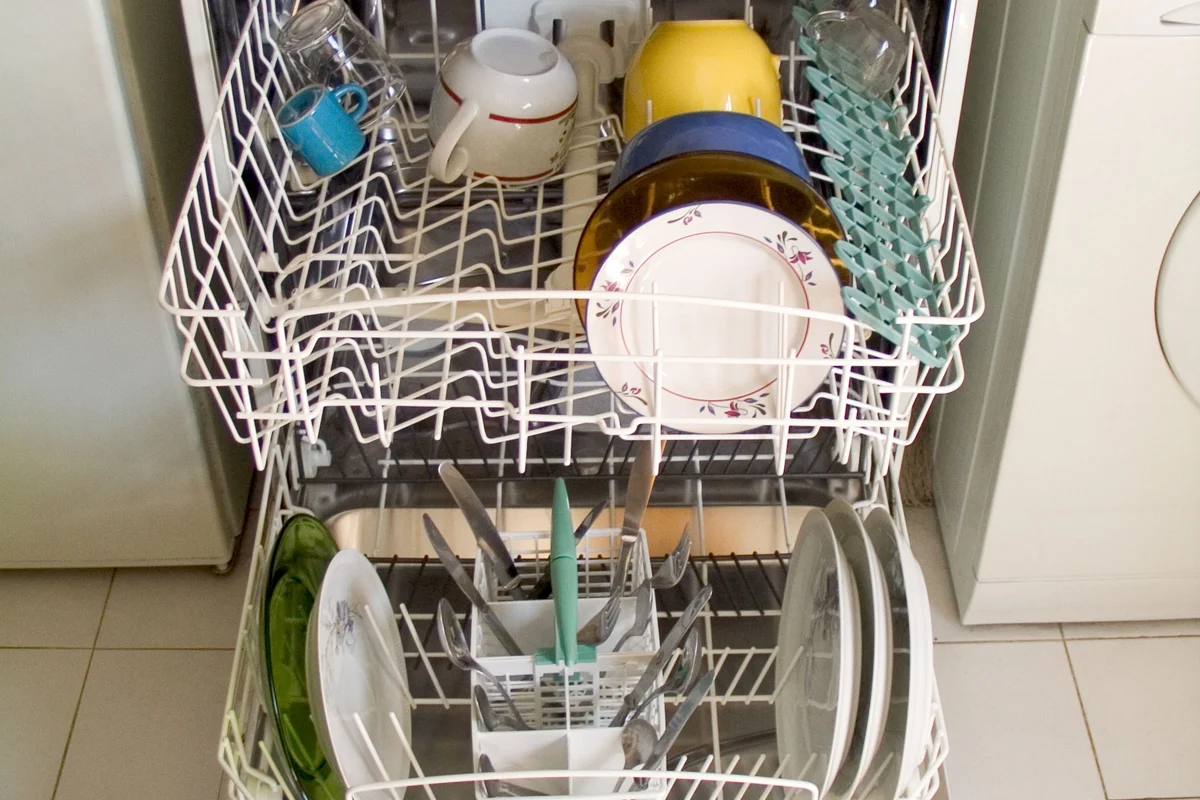
When Dubai residents look to replace a broken refrigerator, dishwasher, or washing machine, one of the most common questions is why professional collection carries a service fee. In many international markets, municipal councils operate scheduled roadside pickup days, or scrap collectors offer free haulage. In Dubai's vertical urban landscape and tightly regulated regulatory framework, however, appliance disposal operates under an entirely different economic and operational model.
Appliance disposal fees are not arbitrary dump charges or simple truck rental fees. Rather, a professional collection quote reflects a four-part operational cost structure: the physical labour required to navigate high-rise service elevators and tight utility cabinetry, specialized environmental degassing and depollution mandated under UAE federal law, dedicated commercial vehicle logistics, and the net processing charges levied at licensed recovery facilities.
The Four Core Cost Drivers of Appliance Collection
A transparent removal quote breaks down into four distinct operational components that govern what professional crews must expend to decommission a major white goods item:
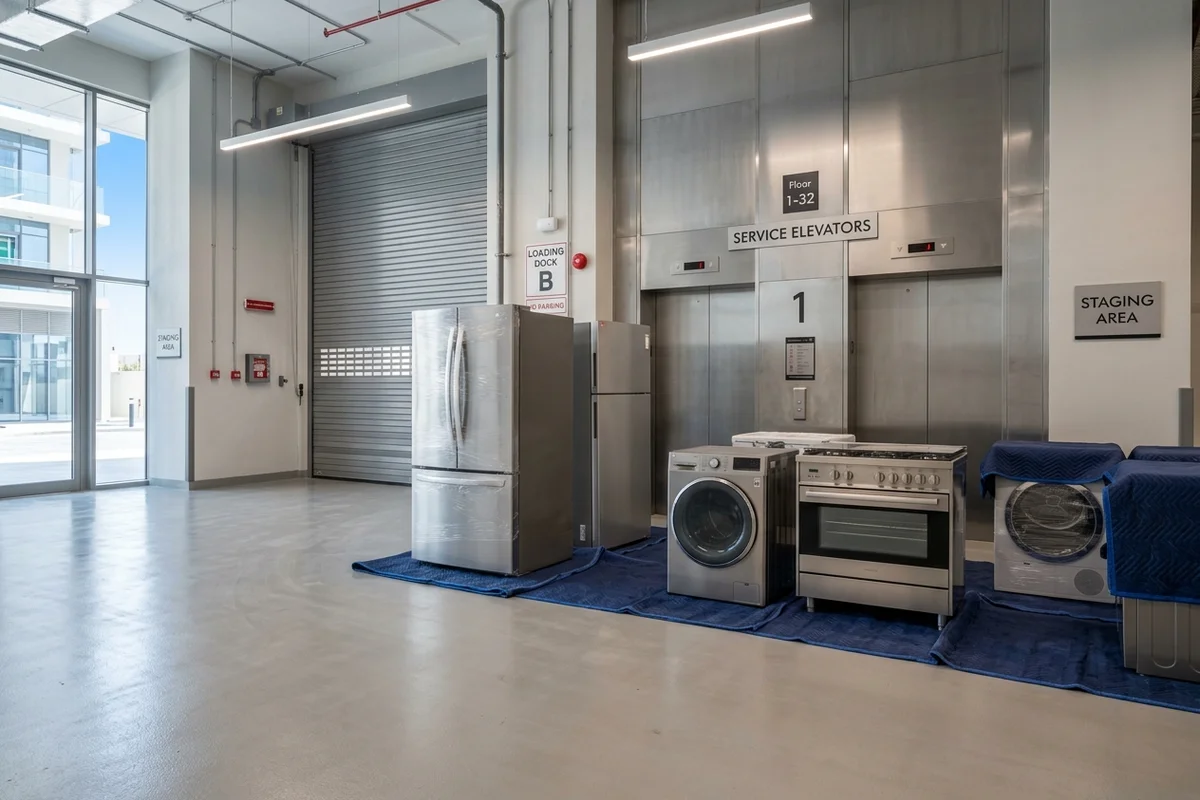
- Physical Extraction and Vertical Transit: Moving an 85kg front-load washing machine or a side-by-side refrigerator out of a 30th-floor apartment in Dubai Marina or Downtown requires specialized two-person handling, heavy-duty appliance dollies, protective floor runners to safeguard hallway tiles, and formal coordination with building security for padded service elevator access.
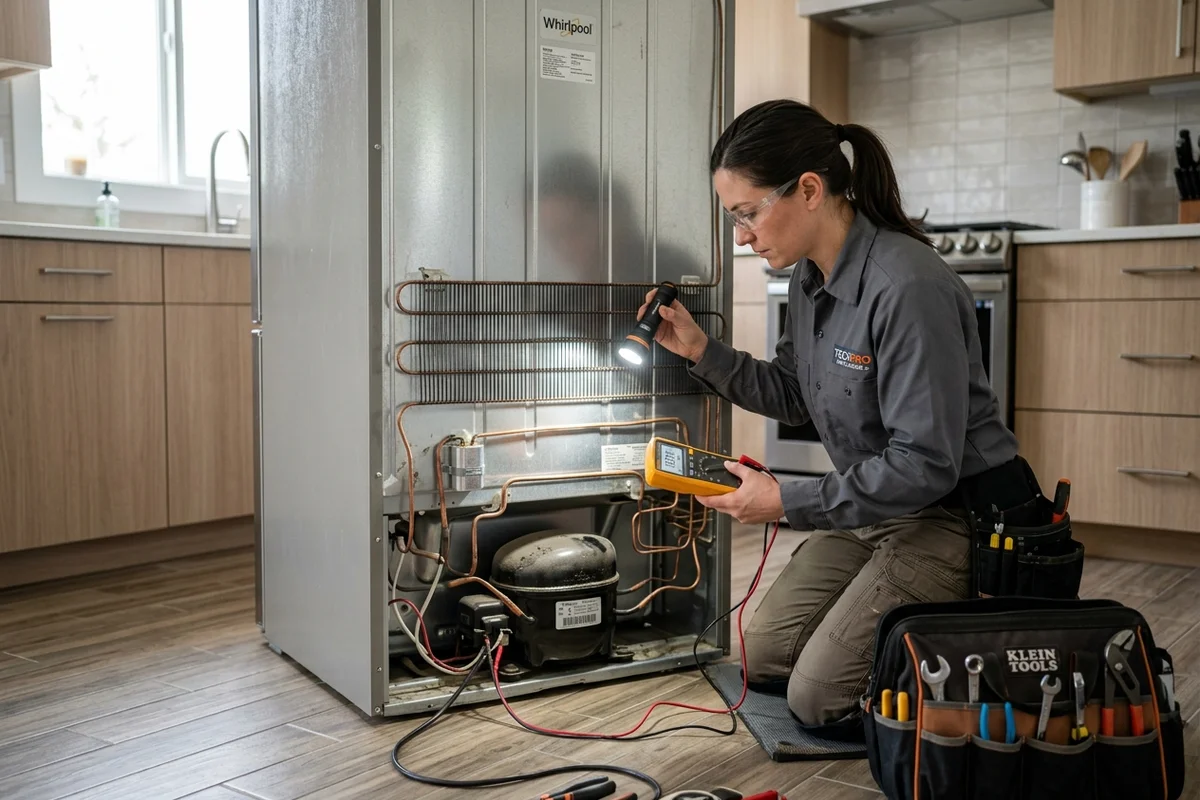
- Certified Environmental Degassing: Refrigeration equipment—including fridges, freezers, and air conditioners—contains chemical refrigerants (such as R134a or R600a) and lubricating compressor oils. Federal environmental regulations require that these pressurized gases be recovered in a sealed vacuum recovery loop rather than vented into the atmosphere.
- Commercial Vehicle Dispatch and Fuel Logistics: Operating a commercial box truck or hydraulic tailgate vehicle across Dubai's highway network involves driver licensing, commercial road tolls (Salik), vehicle maintenance, and dispatch routing designed around restricted delivery hours in master-planned communities.
- Facility Tipping Fees vs. Scrap Offsets: Licensed e-waste and scrap depollution depots charge commercial gate fees to receive mixed appliances. While heavy metals (like steel carcasses and copper motor windings) have commodity scrap value, this value rarely offsets the labor, transport, and hazardous depollution processing required for a single household unit.
Single Appliance Call-Out vs. Renovation Bundling
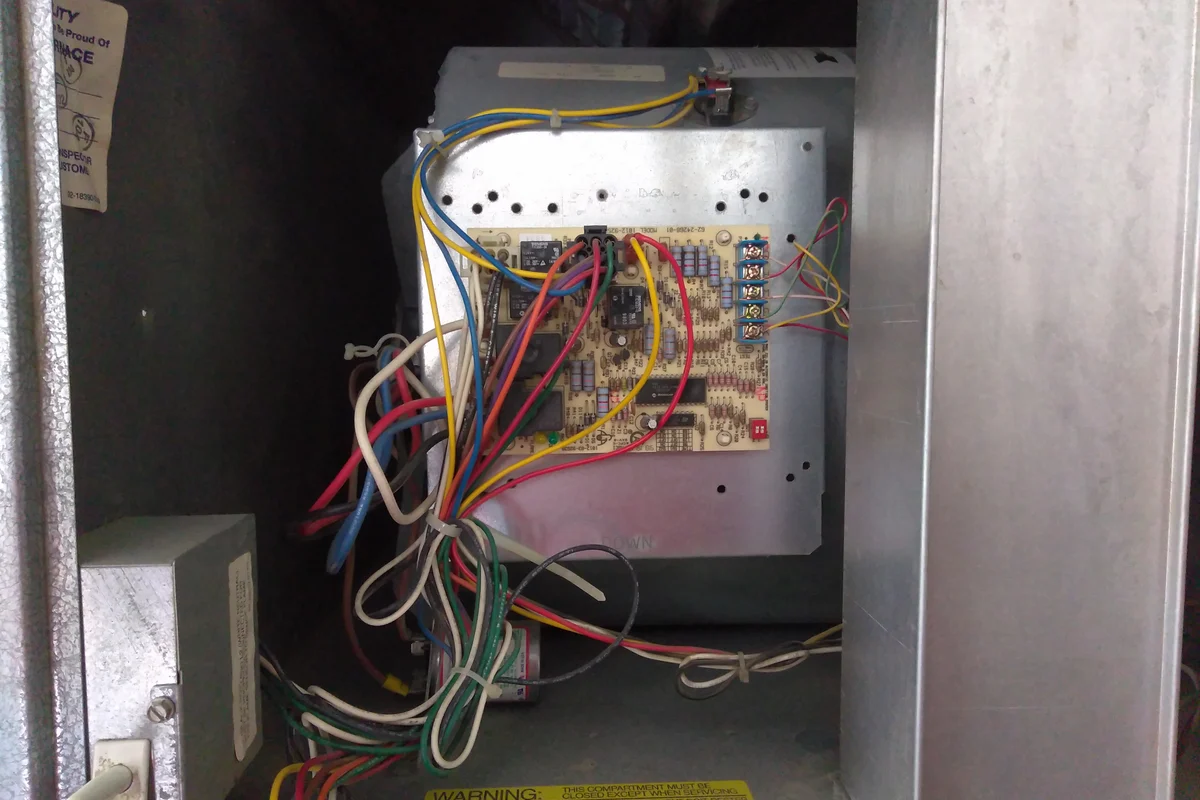
A primary factor influencing per-item disposal pricing is the difference between a standalone single-item pickup and a bundled clear-out. When a removal team dispatches a two-person crew and a truck solely to collect one broken countertop microwave or under-counter wine cooler, the fixed overheads—fuel, transit time, loading dock clearance, and crew scheduling—remain identical to a larger job. Consequently, single small-item call-outs carry a baseline mobilization fee.
Conversely, property owners undergoing full kitchen renovations or landlords preparing furnished apartments for tenant changeover benefit significantly from volume bundling. Removing a complete kitchen suite—refrigerator, built-in oven, gas hob, cooker hood, and washing machine—in a single scheduled appointment spreads the vehicle and elevator clearance costs across five units, dramatically lowering the effective disposal cost per appliance.
The Financial Risks of Informal Curbside Abandonment
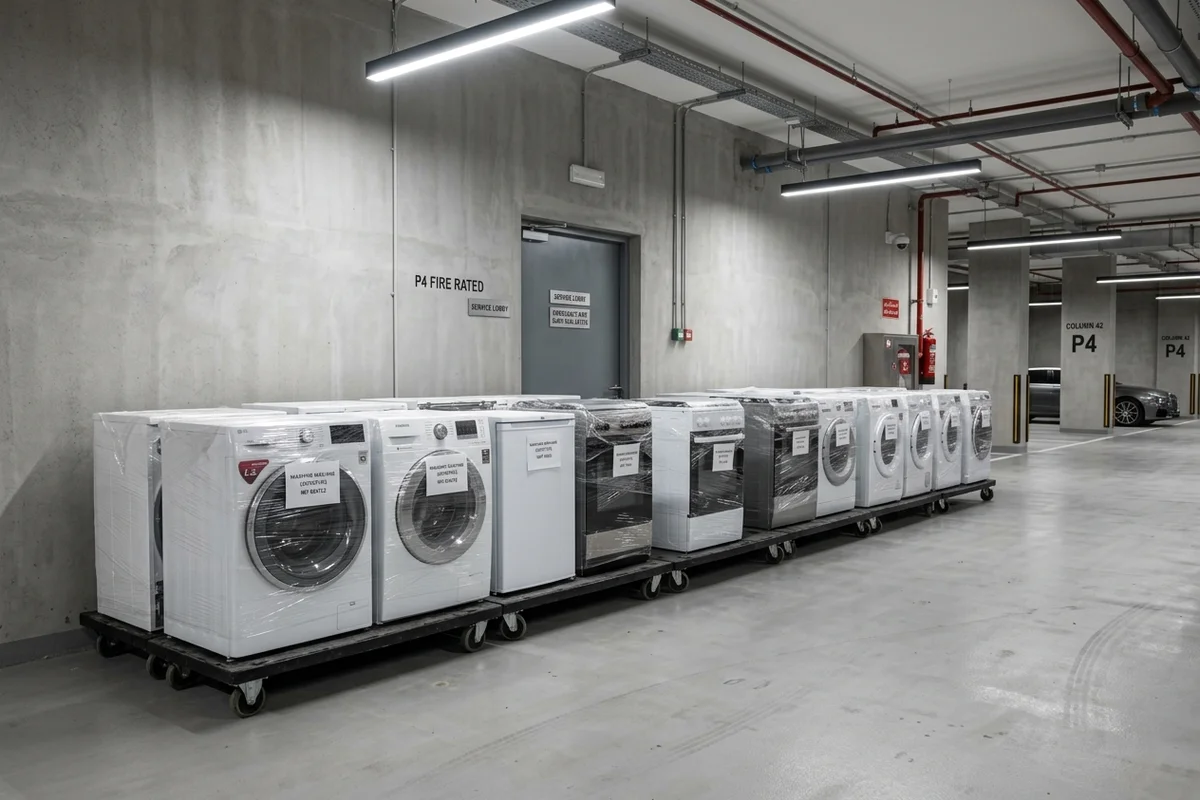
Some tenants attempt to bypass collection fees by dragging broken appliances down to communal basement car parks, service corridors, or curbside domestic waste enclosures. In Dubai, this practice carries substantial financial and legal risks. Master community developers (such as Emaar, Nakheel, and Dubai Silicon Oasis) actively monitor common property via CCTV and issue steep community compliance violations against the registered tenancy contract.
Beyond community rules, municipal bulky waste regulations strictly prohibit abandoning industrial or domestic electrical appliances in standard household green bins or compactors. The statutory penalties for illegal dumping far exceed the modest investment required for licensed collection, and property management will withhold security deposit clearances until unauthorized waste is removed and building repairs are settled.
How to Secure an Accurate, Fixed-Price Removal Quote
To ensure your removal quote remains fixed with zero unexpected surcharges on collection day, prepare key property details before contacting a provider:
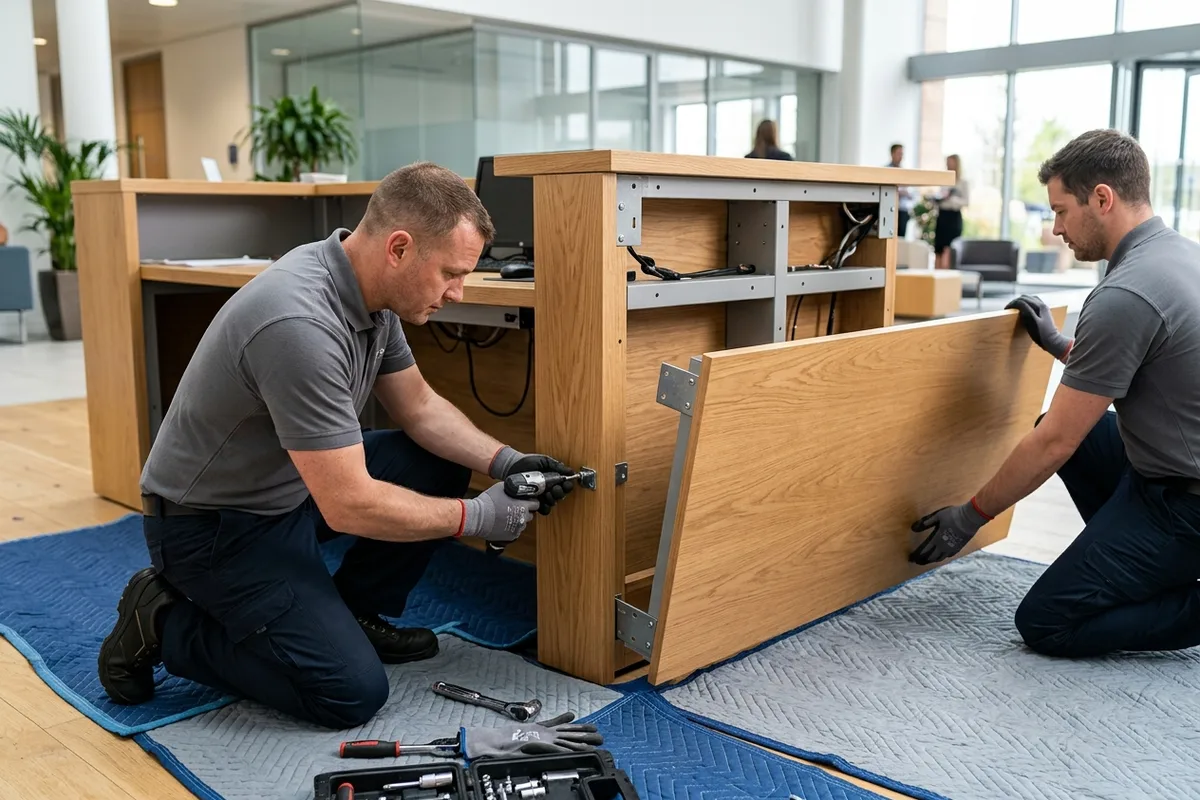
- Share Clear Photographs: Send wide-angle photos showing the appliance in its current position, particularly noting whether built-in cabinetry brackets or integrated wooden fascia panels need removal.
- Confirm Utility Disconnection: Note whether plumbing angle-stop valves, high-voltage electrical isolators, or gas supply lines have already been safely shut off and decoupled.
- Detail Vertical Access: Specify whether the property has a dedicated freight elevator, standard passenger lift, or staircase-only access (common in older Deira, Bur Dubai, or low-rise JVC buildings).
- Specify Parking and Clearance: Mention whether the service vehicle can enter a basement loading bay with height restrictions (typically 2.1m to 2.4m) or must stage at a ground-level security gate.