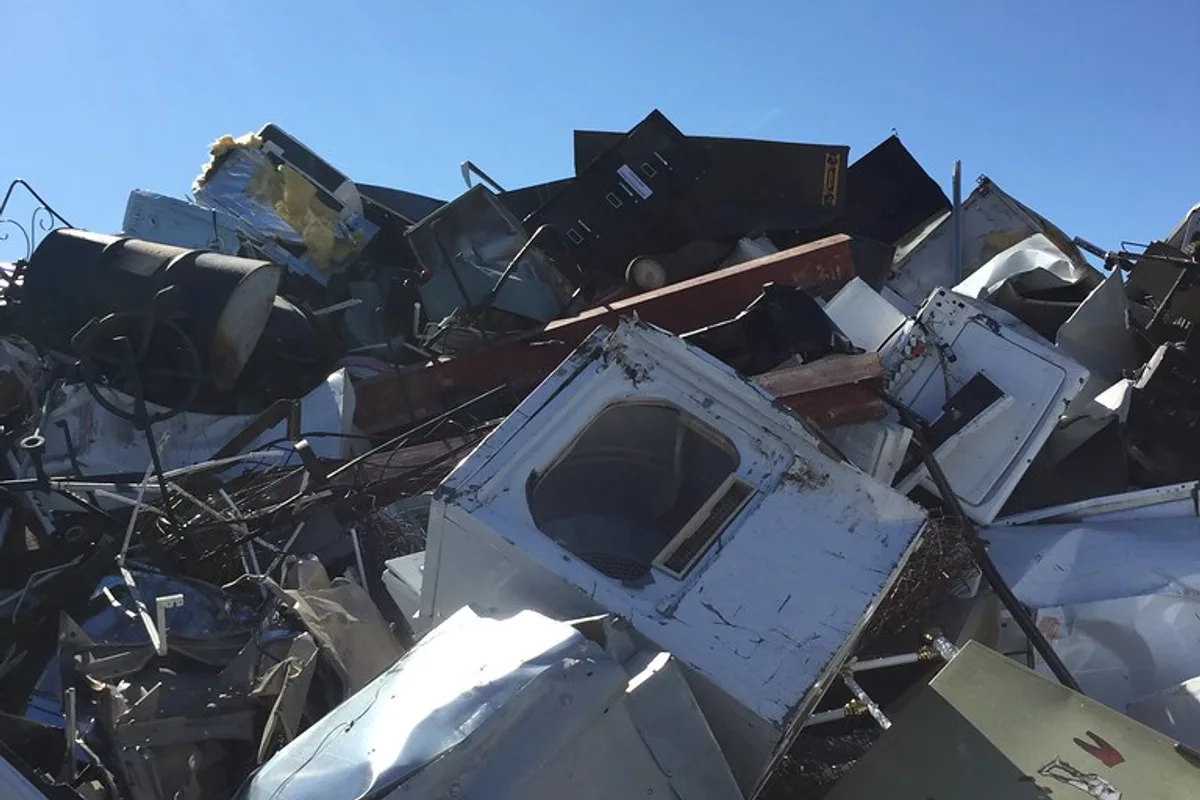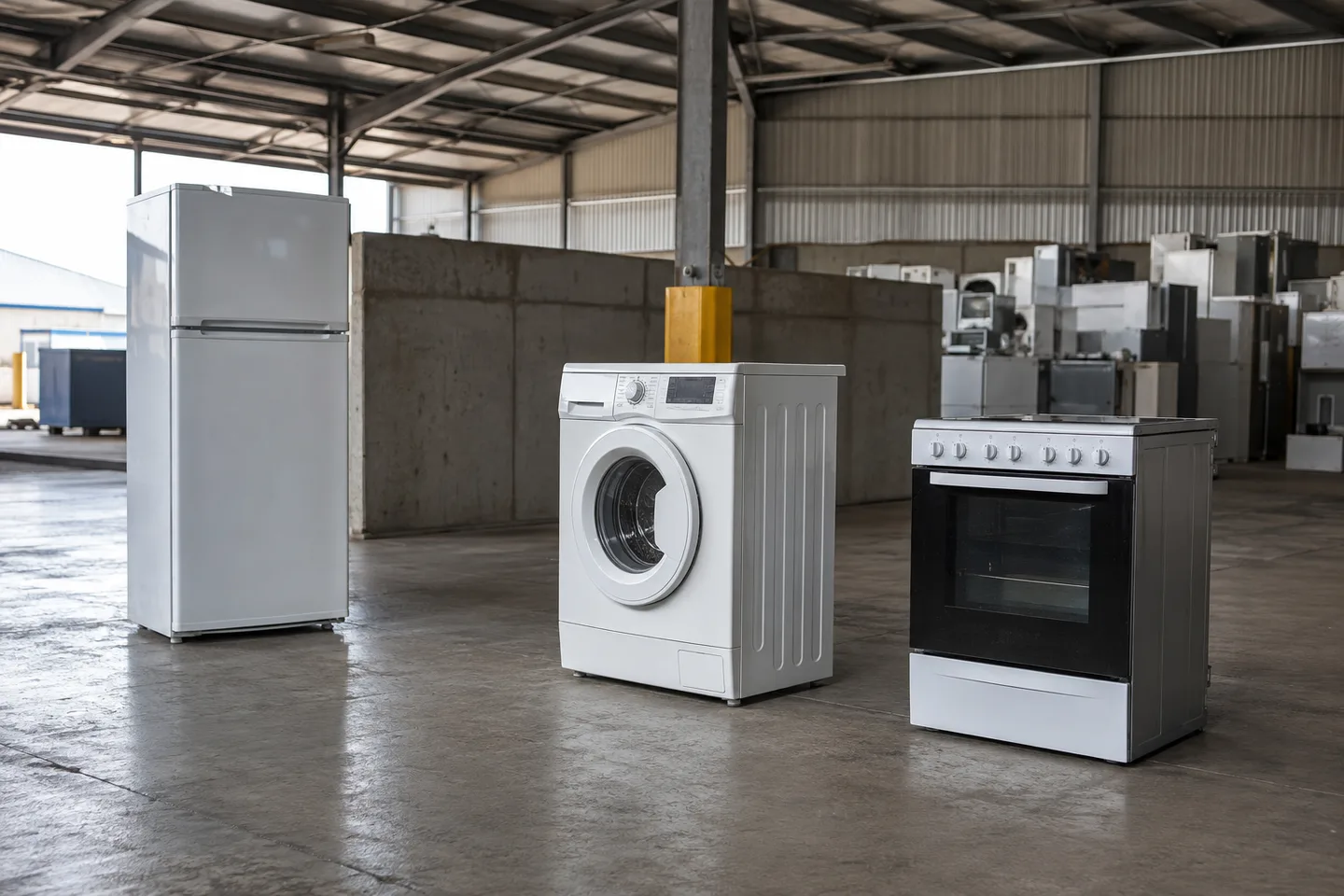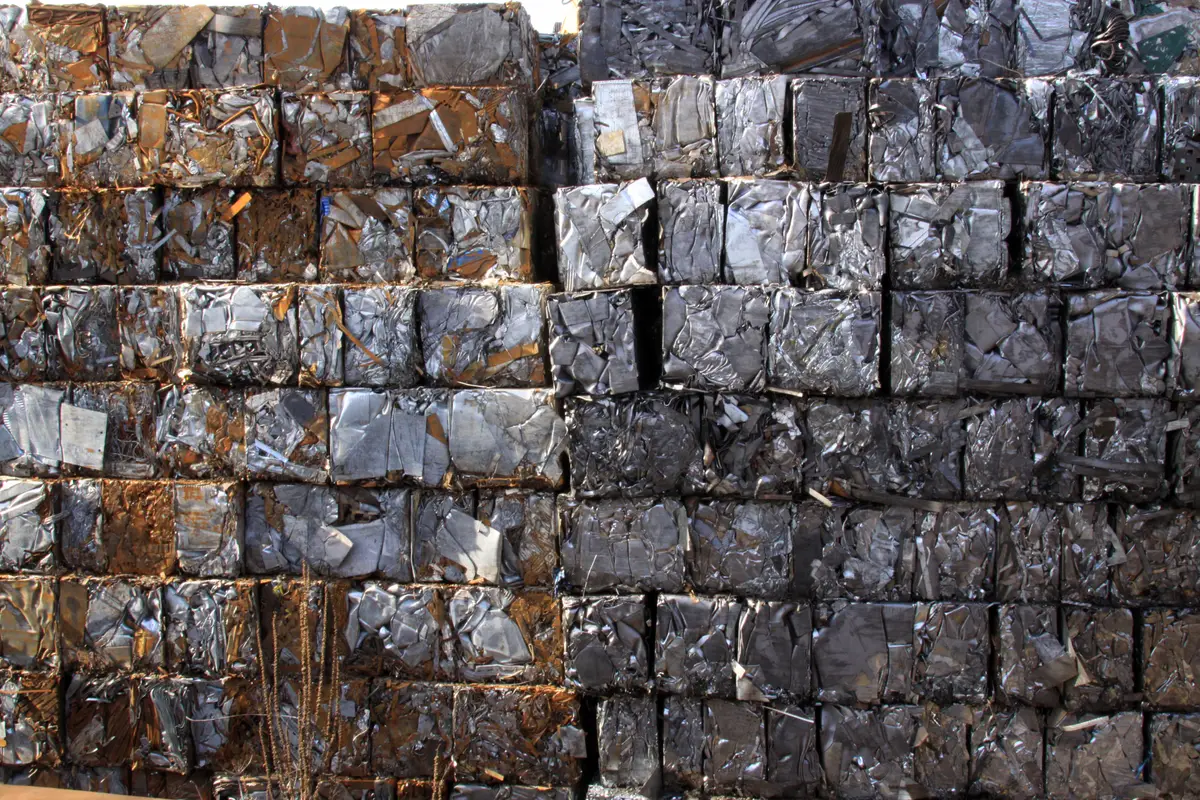
An appliance that has stopped working is still a box of metal, and it is reasonable to assume that the heavier the box, the more the metal inside it is worth. Scrap does not work that way. Two machines can weigh the same and be worth very different amounts, because value follows the metal that can actually be recovered rather than the number on the scale. None of this changes how the unit leaves the home: appliance removal in Dubai is priced on size and access, not on scrap value.
Why weight is a poor guide to what a machine is worth
Scrap is bought on what can be pulled out of an item and sold on. An appliance is therefore judged on three questions before its weight matters at all: how much of that weight is metal, which metals those are, and how much work it takes to separate them cleanly. Weight is the multiplier applied at the end, not the thing being measured.
That is why a freestanding cooker and a washing machine of similar mass are not comparable. The cooker is mostly steel panels on a steel frame. The washing machine carries a concrete counterweight, a plastic outer tub and a rubber door seal, and a metal buyer wants none of those three.
The three things that set the value
Every appliance can be read against the same three tests, and they apply in this order.
How much of the weight is actually metal
Household machines carry a surprising amount of mass that no metal buyer will pay for. Knowing where it hides explains most of the difference between two machines that feel similar to lift.
- Concrete counterweights, cast into washing machines and some dryers to stop them moving during a spin.
- Rigid insulating foam, which forms the cabinet walls of fridges and freezers and a good part of a water heater.
- Glass: oven doors, hob surfaces, fridge shelves and television panels.
- Plastic housings, outer tubs, ducting and control fascias.
- Rubber seals and hoses, and any water still sitting in a pump or a sump.
Which metals, and in what form
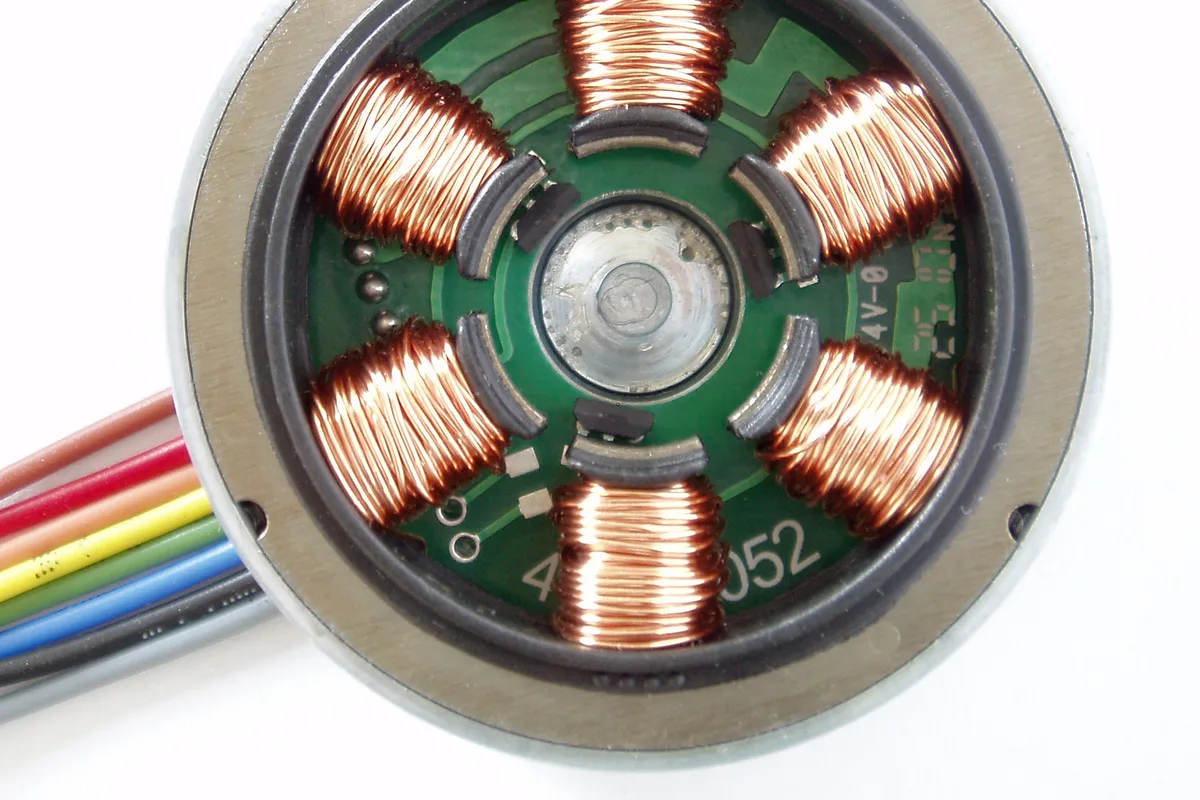
Steel is the bulk of almost every appliance. It is the cheapest metal per kilogram and the easiest to recover, because it is magnetic and comes away from everything else without much argument. Copper is where the concentrated value sits: motor windings, mains cable, and the tubing in a refrigeration circuit. Aluminium falls between the two, mostly as condenser fins and the occasional casting.
Form matters as much as the metal itself. A motor that unbolts and lifts out whole is a different proposition from the same copper laminated onto a steel plate, and a clean bundle of cable is worth more than the same cable still threaded through a plastic chassis.
How much work separation takes
Fastened parts come apart. Bonded parts do not. A motor is bolted in and lifts out; foam is injected into a steel cabinet and stays there for good. The more a machine has to be broken down before its metal is clean, the less that metal returns, because grade falls as contamination rises. This is the test that separates two appliances with identical material lists.
How the common household machines compare
Ranked by how well their weight converts into recoverable metal rather than by how heavy they feel, an ordinary Dubai home reads roughly like this.
- Freestanding cookers and ovens: a high metal fraction, nearly all of it mild steel. Simple to handle and low in value per kilogram, with the glass door as the only real complication.
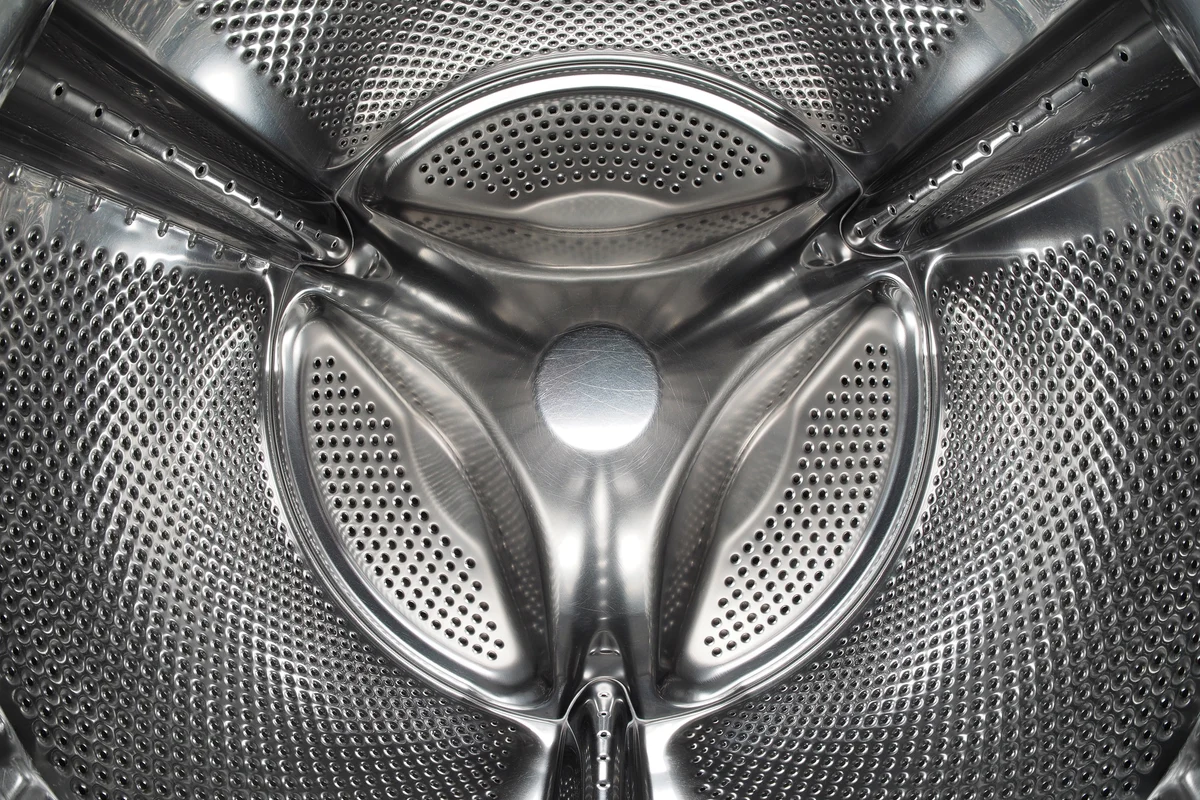
- Washing machines and dryers: heavy, but a large share of that weight is a concrete block worth nothing at all. What value exists sits in the motor rather than the shell.
- Fridges and freezers: less metal than their size suggests, because the cabinet walls are foam rather than steel. They also cannot be treated as ordinary scrap until the sealed circuit has been dealt with.
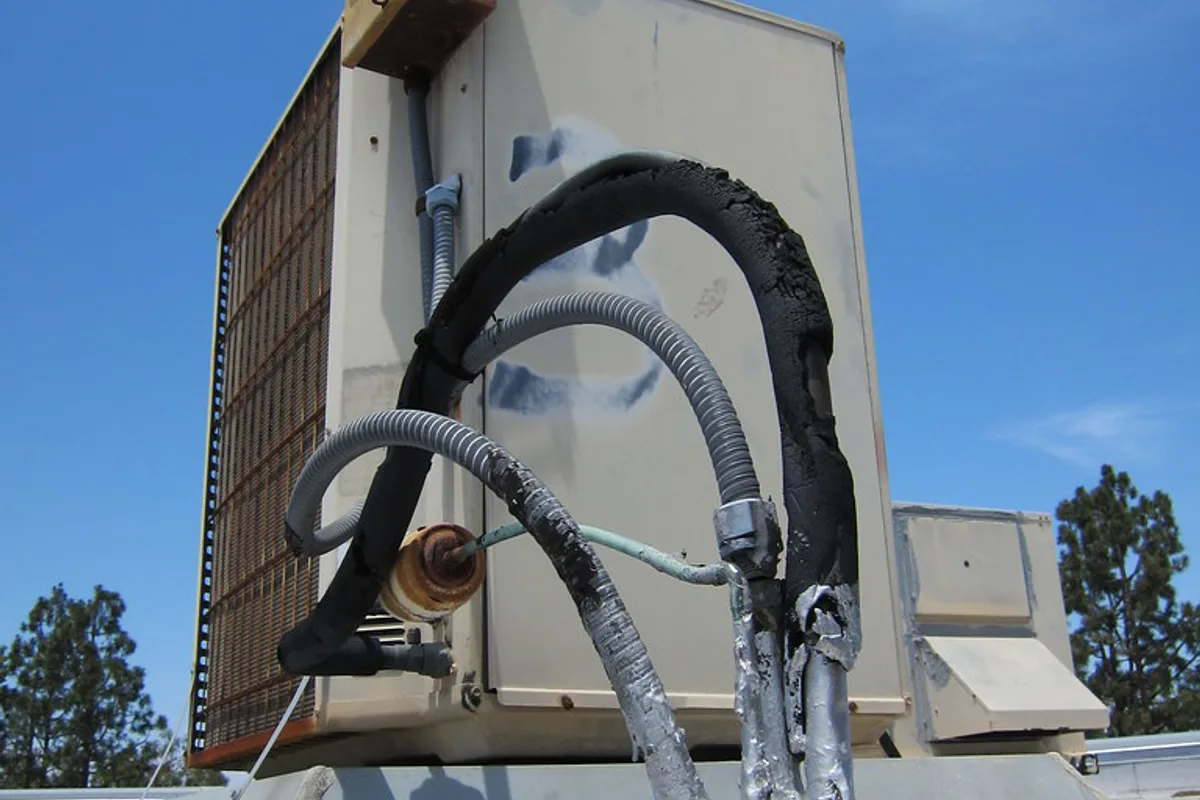
- Split air conditioner outdoor units: the best metal mix in an ordinary home, combining copper tubing, aluminium fins and a dense compressor in one unit. Also the one machine no household should ever open.
- Microwaves, kettles and countertop gadgets: mixed materials in small quantities. Worth recovering in bulk, worth nothing individually.
- Flat-screen televisions and computers: very little bulk metal. Whatever value they hold is in circuit boards, and that is not a weight question at all.
Read that list twice and the pattern is clear. The machines that feel most valuable because they are hardest to lift are often the ones carrying the most dead weight, and the compact unit bolted to a balcony wall outscores all of them.
What subtracts value before anything is weighed
Some features do not simply lower a machine's score; they stop it being ordinary scrap at all until something else has happened first.
- A sealed refrigerant circuit. Until it has been recovered by someone qualified to do it, the metal wrapped around it is not tradeable.
- Foam insulation bonded to a steel cabinet, which has to be dealt with as its own task rather than shredded with the shell.
- Concrete ballast and glass, which add weight and return nothing.
- Food residue, cooking oil and standing water, all of which contaminate a load and drag its grade down.
- A battery left inside the machine, which changes how the whole item has to be handled.
Several of these turn a machine from something with a small residual value into something that costs money to treat properly. That is not a fault in the machine. It is the difference between weighing something in and disposing of it lawfully.
Why the figure is always smaller than people expect
Scrap trades by the tonne. A single household appliance is a fraction of a load, and the recoverable metal inside it is a fraction of the appliance. Getting it down a service lift and onto a vehicle costs more than the metal returns in almost every case, which is why collection is a service rather than a purchase.
Metal prices also move. Anyone quoting a fixed per-machine scrap figure in advance is quoting a guess, and the honest position is that the recoverable value of one household appliance is rarely large enough to decide anything.
What this means when you are clearing a machine out
- Hand the machine over complete. Cutting out a cable or pulling a motor lowers the value of everything left behind, and on a cooling appliance it removes the compliant route entirely.
- Settle reuse first. A machine that still runs is worth far more to another household than it will ever be worth as metal.
- Judge the destination rather than the payout. Whether the steel and copper are genuinely separated is the part that matters; the small residual value inside a single machine is not.
The useful thing to take from all of this is not a price. It is that the weight of an old appliance tells you almost nothing about what is inside it — the cooker that feels manageable and the fridge that feels immovable are both keeping their real material list to themselves, and the only version of scrap value worth acting on is the one that comes with the machine going somewhere it will actually be taken apart.