“Loft” may mean a high storage cupboard, a space reached through a hatch, or simply boxes stacked above ordinary shelving. For loft and store room clearance in Dubai, describe the physical space before discussing the load. Retrieval from an elevated or unassessed space is a different task from carrying cartons out of a walk-in room, and it needs to be agreed before a collection is booked.
Describe the space instead of relying on its name
Send a photograph from a normal accessible position showing the opening and the area beneath or in front of it. State whether a person can walk into the space, whether it has normal floor access, and where the contents are visible. The collector needs a practical description, not a property listing’s label.
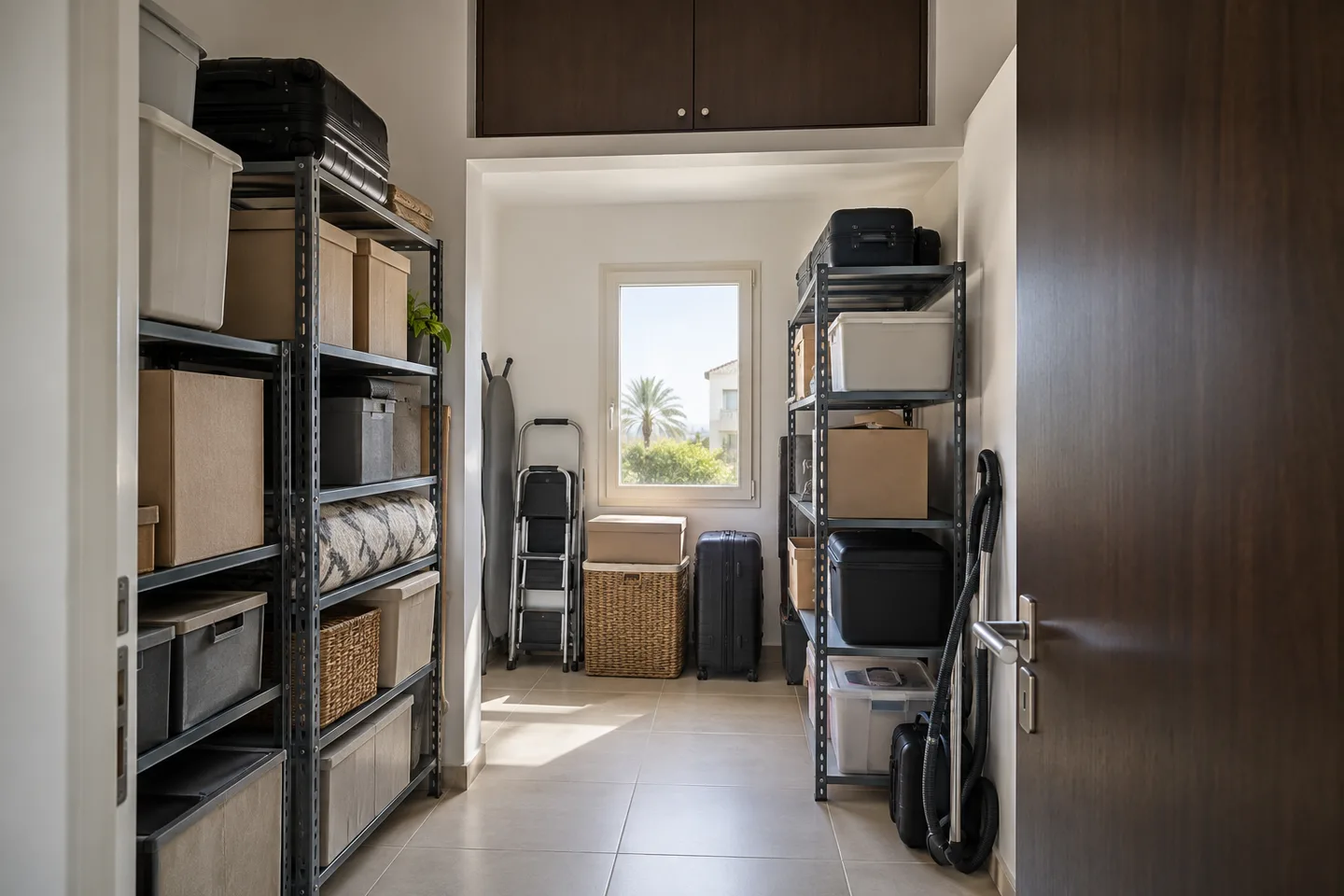
- Walk-in domestic store room: show the doorway, shelves and available floor space.
- High cupboard or overhead storage: show the opening and its position relative to the room below.
- Hatch-access space: state that access needs assessment rather than assuming ordinary collection covers entry.
- Items above wardrobes or shelving: distinguish them from the furniture supporting them.
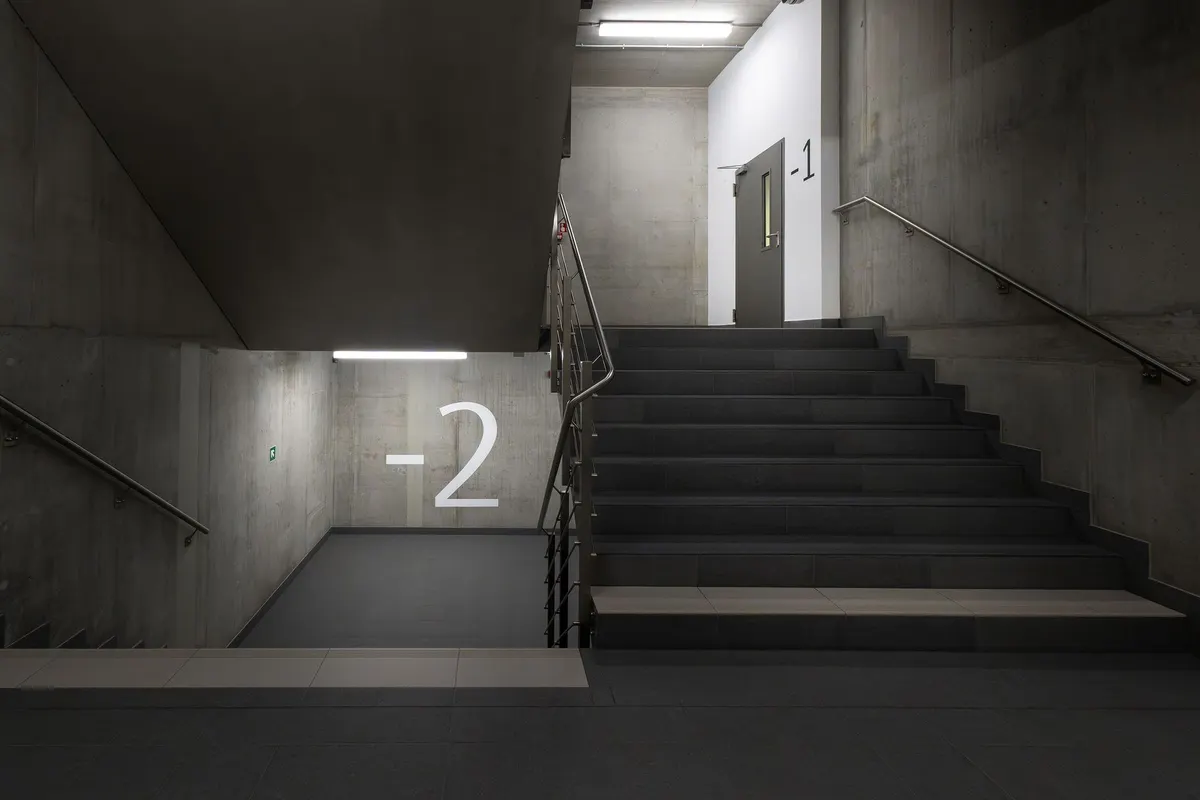
This guide concerns storage within a home. A rented self-storage facility has a different access and handback process, covered in storage unit clean-out in Dubai. A lower-ground room has an upward carry route, covered in the basement clearance guide. Neither description should be substituted for an overhead space that has not been assessed.
Agree retrieval separately from taking the load away
Confirm who will bring the contents into an ordinary accessible working area. Some jobs begin with boxes already on the floor; others require retrieval equipment or an inspection before anyone can say what is feasible. The collection brief should state which situation applies and whether retrieval is included in the quotation.
Do not enter a roof void, stand on a suspended ceiling or improvise access using stored furniture. If the space cannot be assessed from normal access, arrange an appropriate inspection first. A clearance booking is not confirmation that a hidden floor, hatch or elevated storage platform is suitable for someone to use.
Keep inaccessible contents on a separate pending list. It is possible to quote for the visible floor-level load while leaving the overhead portion subject to assessment, provided the scope says so. Avoid describing an entire space as ready when part of it still has no agreed retrieval method.
Reveal the contents without filling the doorway
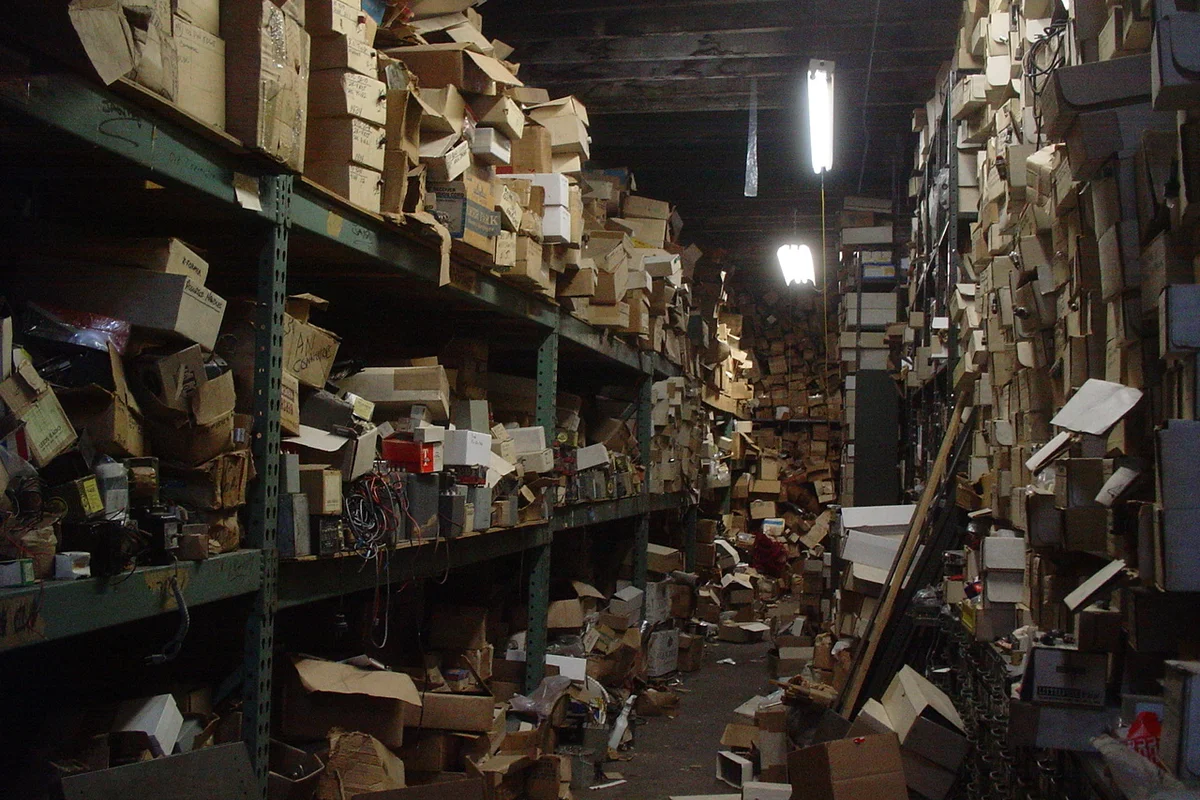
For an ordinary accessible store room, begin with the visible contents and preserve the route out. A deep room can have several layers behind the first row of cartons. Do not pull an item from beneath or behind a stack that may move; let the collector assess unstable or obstructed loads before work begins.
Agree a small review area inside the property where manageable groups can be checked. Moving the entire room into the hallway simply transfers the obstruction. If the home remains occupied, choose a place that does not prevent access to other rooms or force retained possessions into the outgoing pile.
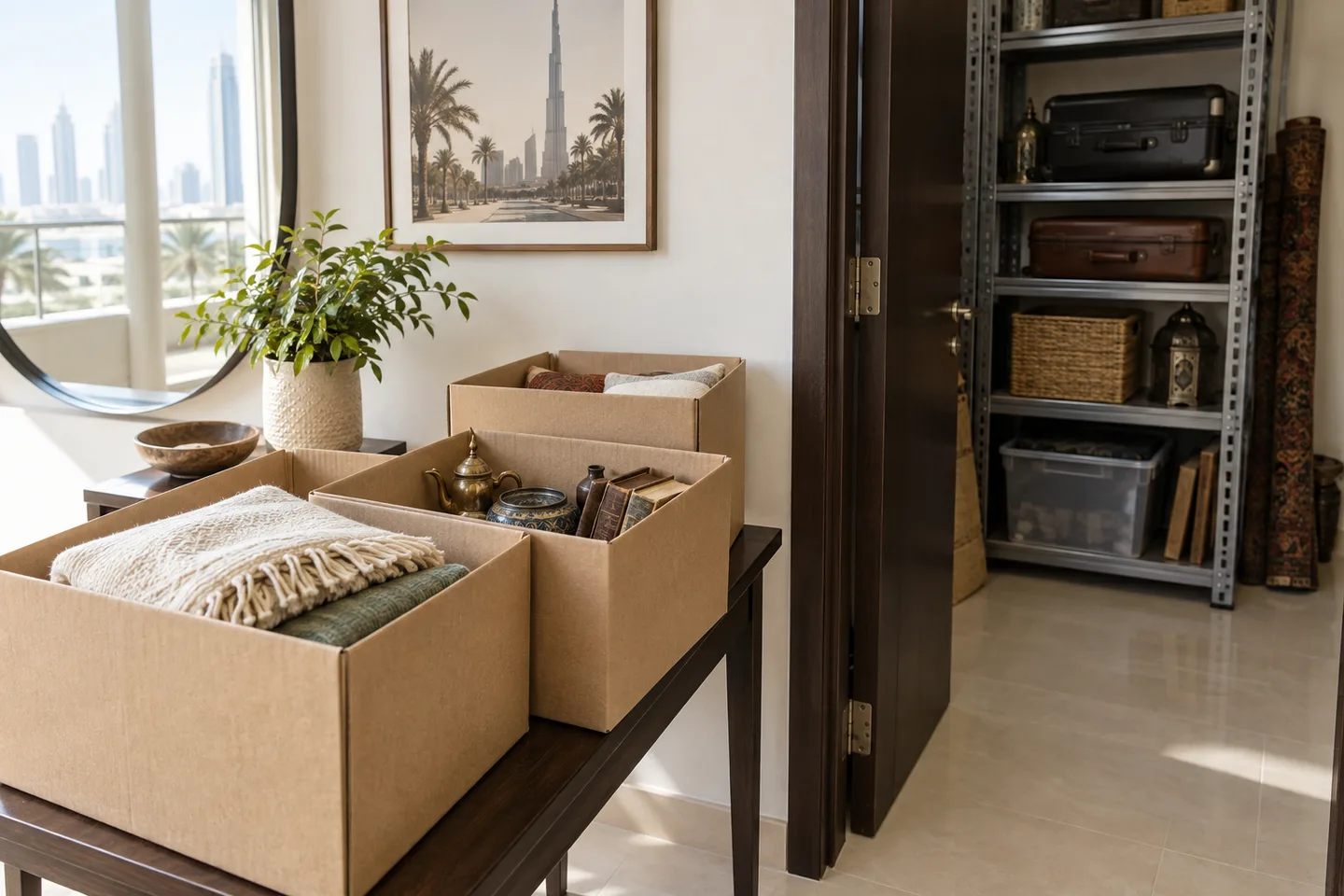
- Record what is visible and identify anything still hidden behind it.
- Agree the work area and the clear route out of the room.
- Review a manageable group before combining it with the approved load.
- Move retained items to their agreed destination rather than back into the doorway.
- Update the remaining scope as previously hidden contents become visible.
Treat a closed carton as an unanswered question
A carton’s old description may have little to do with what is inside now. Someone who knows the household should check accessible boxes before disposal is authorised, especially where several people have used the store room. Count unreviewed containers separately from approved household contents so the crew is not asked to make personal decisions.
Set aside documents, family belongings and items whose ownership is unresolved. Describe electrical equipment, unidentified containers and unusual materials separately and confirm acceptance before loading. Do not mix them into a general bag simply to reduce the number of groups in the room.
If a box is damaged or cannot be handled as packed, tell the collector rather than hiding that condition with another layer of contents. State whether repacking is requested and what materials or assistance will be needed. The quote should reflect the actual handling task, not an assumption that every carton can be lifted intact.
Decide whether the storage furniture stays
Emptying a store room does not automatically include removing its shelves. Identify fixed shelving, freestanding units and high cupboard fittings separately, then say which are staying. If the intention is only to recover usable storage space, the shelves may be part of the finished room rather than part of the load.
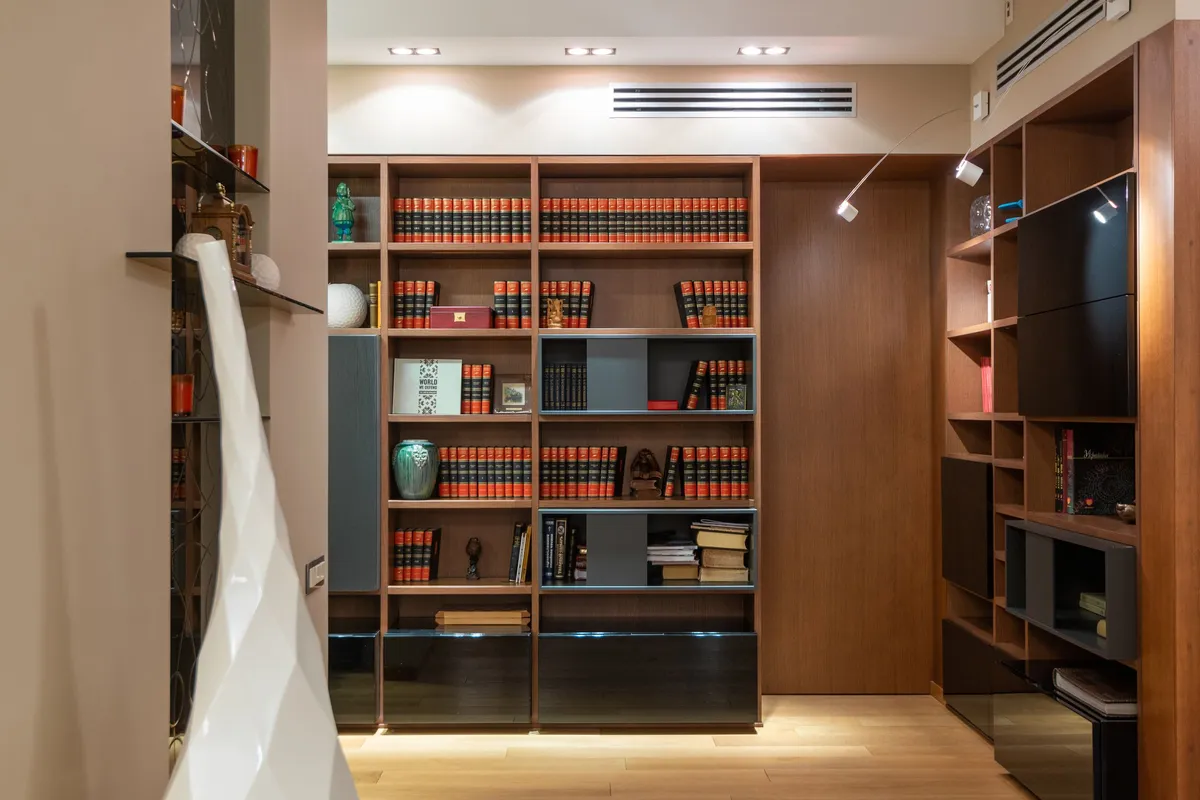
If freestanding shelving is also leaving, the bookshelf removal guide covers emptying and handling the unit. Fixed cupboards, building services and access panels need their own scope; do not treat them as removable clutter. Keep the storage clearance separate from repairs or changes to the room itself.
Build the quote around what is known and unknown
Share the accessible room views, the agreed removal groups and the access assessment together. State which spaces remain uninspected, whether retrieval is included and whether shelves are staying. Ask how newly exposed contents will be priced and approved if the full load cannot be established beforehand.
In an Arabian Ranches home, show how the store room connects to the entrance as well as where the vehicle may load. A cupboard above a stair landing and a walk-in room beside the garage should not receive the same access description. Confirm the property’s visiting arrangements separately from the work inside the room.
At the end, record what has been cleared and anything deliberately left pending. Do not mark an inaccessible loft empty because the room below it is tidy. A useful clearance result is an accurate account of the space: approved contents removed, retained storage usable and unresolved access plainly recorded.