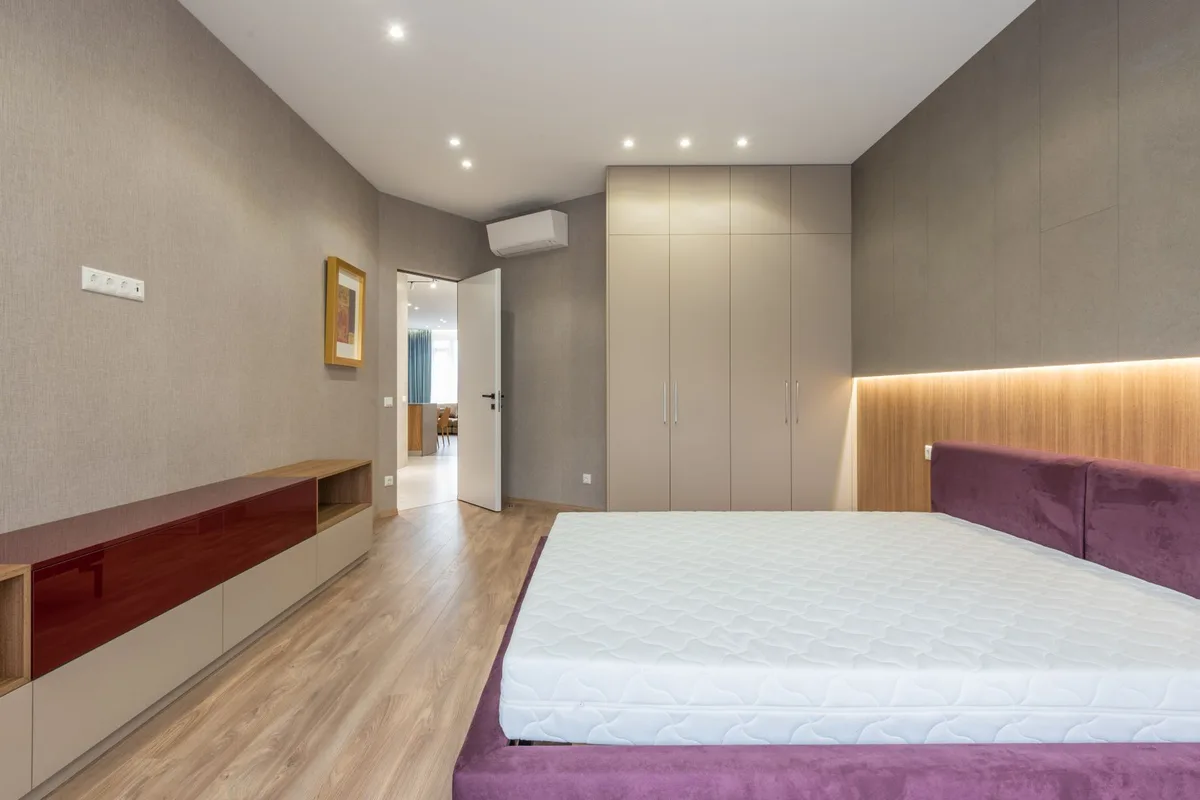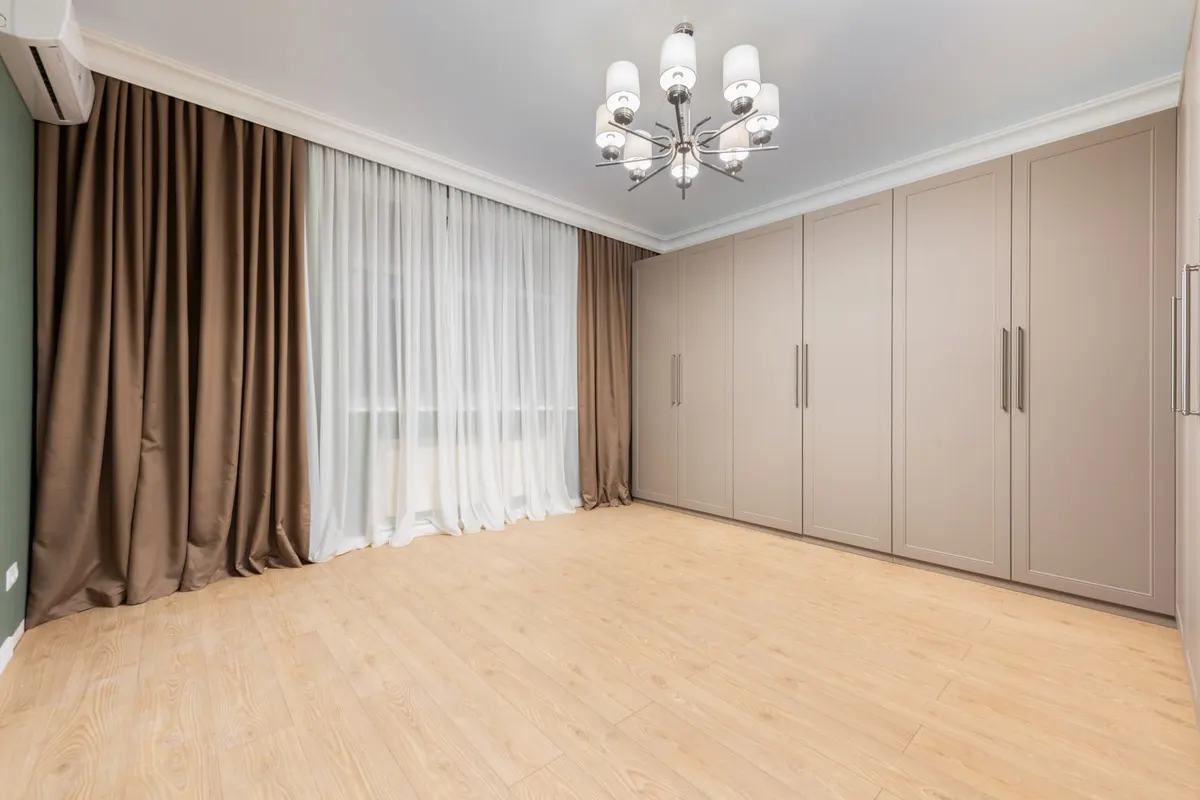
A bedroom can look ready for clearance while its drawers, bed base and wardrobe still hold most of the work. Bedroom clearance in Dubai starts by separating those personal contents from the furniture, then deciding what the room needs to do afterward. A room returning to use tonight needs a different plan from a guest room becoming an office or a bedroom being emptied completely.
Start with what the bedroom will become
Describe the finished room before listing what leaves. If someone will still sleep there, record the bed, bedding, lamp and storage they will need. If the room is changing purpose, identify the furniture that prevents that change rather than treating every object in the room as unwanted.
This room-level plan goes beyond collecting a bed and a wardrobe. It tells the crew where the clearance ends and gives the household a place for retained belongings before the furniture supporting them disappears. The wider partial house clearance guide covers working around an occupied home; here the focus is on the personal storage and sleeping arrangements within one bedroom.
- Still a bedroom: define the sleeping setup that must remain usable after collection.
- Changing to an office or other room: identify what is leaving and where retained clothes and bedding will go.
- Being emptied for handover: check which furniture and fittings belong with the property.
- Shared bedroom: confirm whose contents are being cleared before combining belongings into bags.
Treat storage contents as a separate part of the job
A chest of drawers is one removal item; its contents are another decision. Check each compartment before agreeing that the furniture is ready to leave, including bedside drawers, storage benches and bed-base drawers. Do not assume an item is empty because somebody has removed the clothes visible at the front.
Work through one storage space at a time and give retained belongings a real destination. Moving everything from a wardrobe onto the bed may make the wardrobe ready, but it prevents the bed being cleared next. Use manageable containers in an agreed private space, or finish moving retained clothes to their new storage before furniture collection begins.
Keep personal review with the person who knows the contents. A collector can be asked to handle an agreed load, but should not have to decide whether a letter, photograph or small keepsake matters. Where the occupant is absent, arrange that review with an authorised person and leave unresolved contents outside the removal list.
Set aside what is needed before the next night
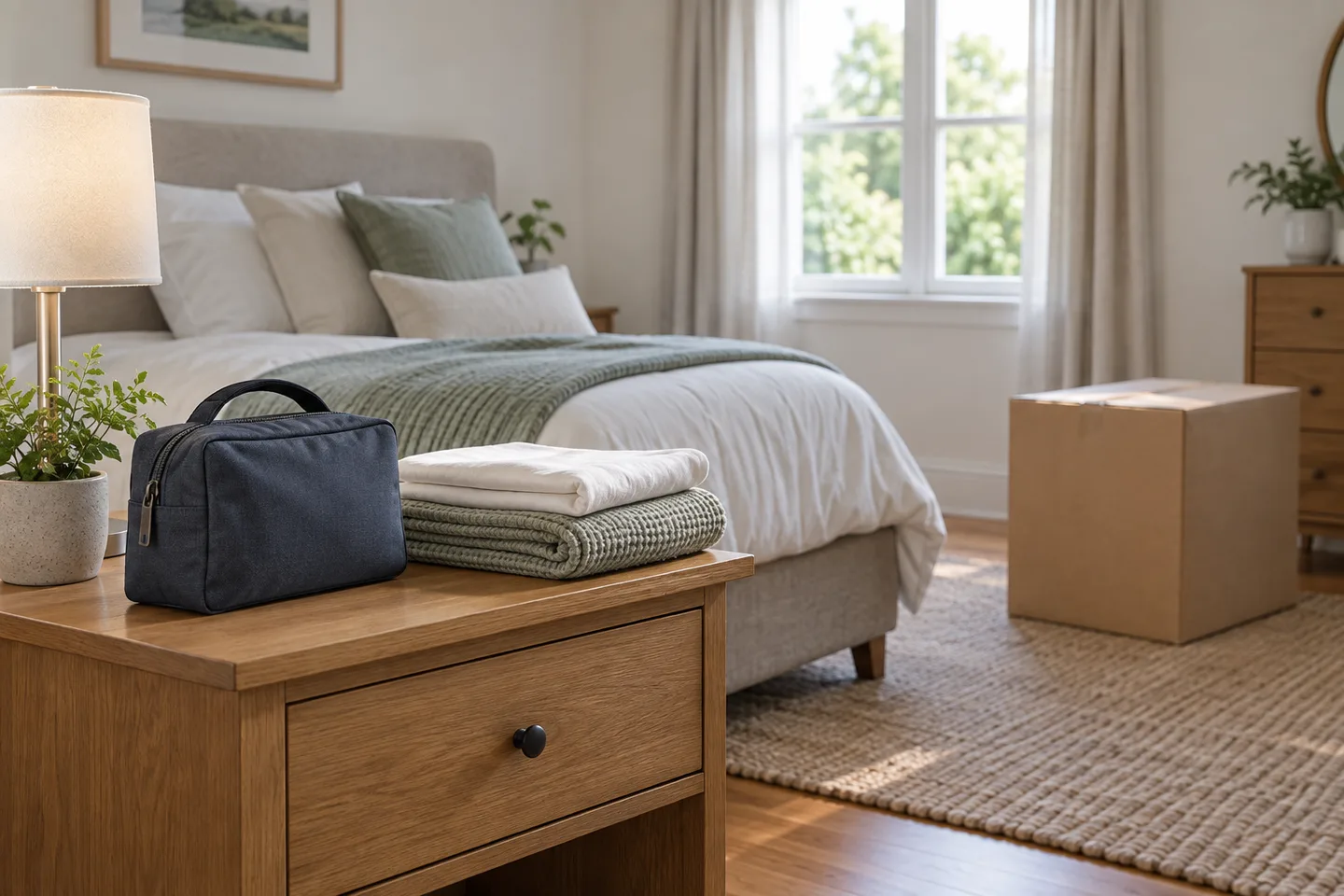
If the bedroom is in use, prepare a small retained group before anything is bagged. Include the clothing, bedding and everyday personal items needed until the room is ready again. Put this group somewhere the crew has been told is outside the clearance scope, not beside the outgoing bedding.
If the bed itself is leaving, confirm the alternative sleeping arrangement or the replacement before relying on the room that evening. A delivery window is not the same as a bed assembled and ready to use. Collection, delivery and assembly may be separate jobs, so describe the gap between them honestly when planning the day.
Keep the retained group distinct even if several people are helping. A well-meaning helper can turn a neatly packed overnight bag into part of the load if every packed item has been described as unwanted. Point out the actual bags during the walkthrough rather than relying on their colour or position alone.
Specify the furniture work without dismantling the whole room
List each large piece and say whether its contents have been checked. Identify fitted storage separately from freestanding furniture, and check permission for anything supplied with a rented home. Curtains, wall-mounted fittings and built-in units should not be included simply because the instruction says “empty the bedroom”.
The bed frame removal guide covers frame types and dismantling, while the wardrobe removal guide covers the unit and its panels. Use those details for the furniture itself. For the room clearance, establish which pieces leave together and which retained items restrict the space where the crew can work.
Tell the collector about storage beds, mirrored furniture, powered bases or other features visible in the room. Ask what preparation and dismantling are included rather than assuming that everything attached to the furniture is covered. Photograph the furniture in place so there is enough context to assess the job.
Show the load and the route from the bedroom
Send a wide room photograph, views of the checked storage and a clear list of outgoing furniture. Include loose contents separately, with the number of bags or cartons if they are already packed. A quotation based on two large pieces should not have to absorb a wardrobe full of newly discovered belongings on arrival.
In a JVC apartment, confirm the building’s collection arrangements for the actual load. Inside the flat, show the turn between the bedroom door and hallway, especially when another room’s furniture narrows that space. Keep retained bags away from that turn and avoid using a shared corridor as unagreed storage.
- Show the bedroom as it stands, including the space around large furniture.
- List loose contents that will leave as well as the furniture holding them.
- Identify retained personal items and fitted parts before the crew starts.
- Agree any dismantling and the route to the collection vehicle.
- Check the room after furniture moves, then confirm the final removal list.
Finish by checking the newly exposed spaces
When a bed or chest moves, check the floor behind and beneath it before loose items are swept into the load. Small belongings can remain there even after the drawers have been reviewed. Refer anything uncertain to the named decision-maker rather than letting the final tidy-up become an unplanned disposal decision.
Confirm what remains in the room and what still needs doing, including cleaning or replacement assembly if those were arranged separately. A bedroom clearance is complete when the agreed contents have left and the next use of the room is possible. The measure is a usable room with personal belongings accounted for, not simply an empty patch where the bed stood.