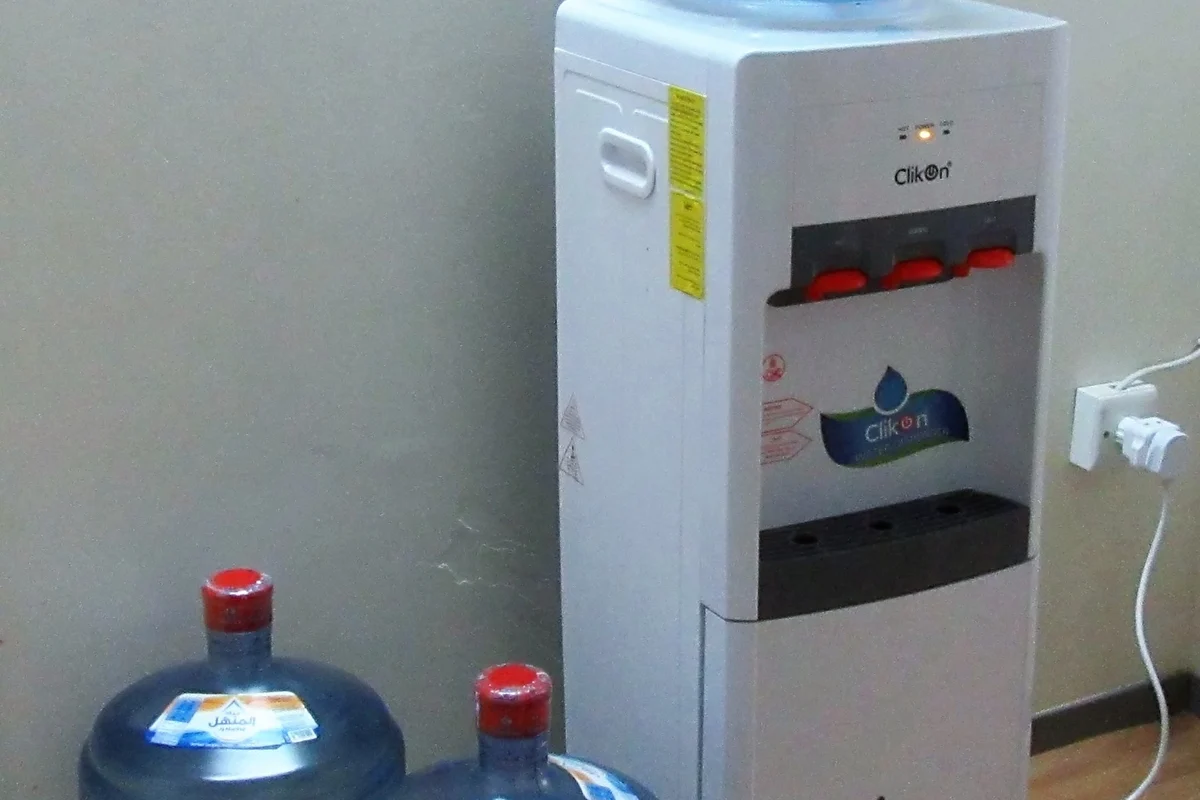
Freestanding water dispensers and point-of-use (POU) filtration coolers are essential fixtures in virtually every Dubai home, villa pantry, and commercial office. The desert climate and universal reliance on delivered five-gallon bottled water mean these appliances work continuously under high cooling and heating demands throughout the year.
Over time, however, severe mineral scaling from continuous heating, internal biofilm buildup in unserviced reservoirs, and compressor burnout inevitably force units out of service. Decommissioning and disposing of an old water dispenser involves specific plumbing, environmental, and high-rise building logistics that differ from ordinary kitchen waste.
Why Water Dispensers Require Specialized Handling
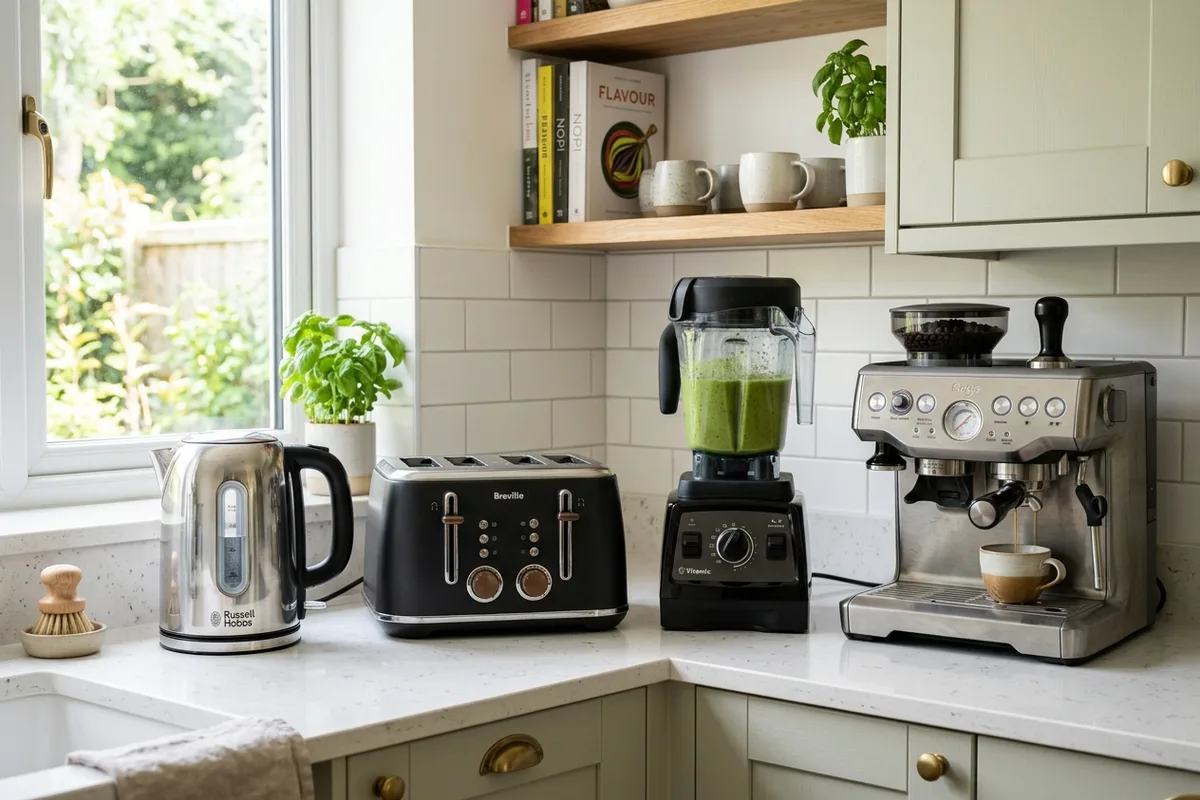
While an electric kettle or toaster can simply be unplugged and boxed, a water cooler is a hybrid thermal-refrigeration appliance with unique disposal requirements:
- Dual Concealed Water Reservoirs: Even after removing the top or bottom five-gallon bottle, freestanding water dispensers hold between two and four litres of stagnant water within their internal stainless steel cold tank and hot heating chamber.
- Pressurized Refrigeration Circuits: Unlike thermoelectric coolers, high-capacity commercial and residential dispensers utilize miniature hermetic compressors charged with refrigerant gases (commonly R134a or eco-friendly R600a isobutane) and lubricating oils. These closed loops must be depolluted before shredding.
- Direct-Plumbed Filtration Connections: Point-of-Use (POU) water dispensers connected directly to DEWA municipal water lines contain pressurized 1/4-inch push-fit tubing, sediment filters, and reverse osmosis membranes that require clean isolation to prevent flooding.
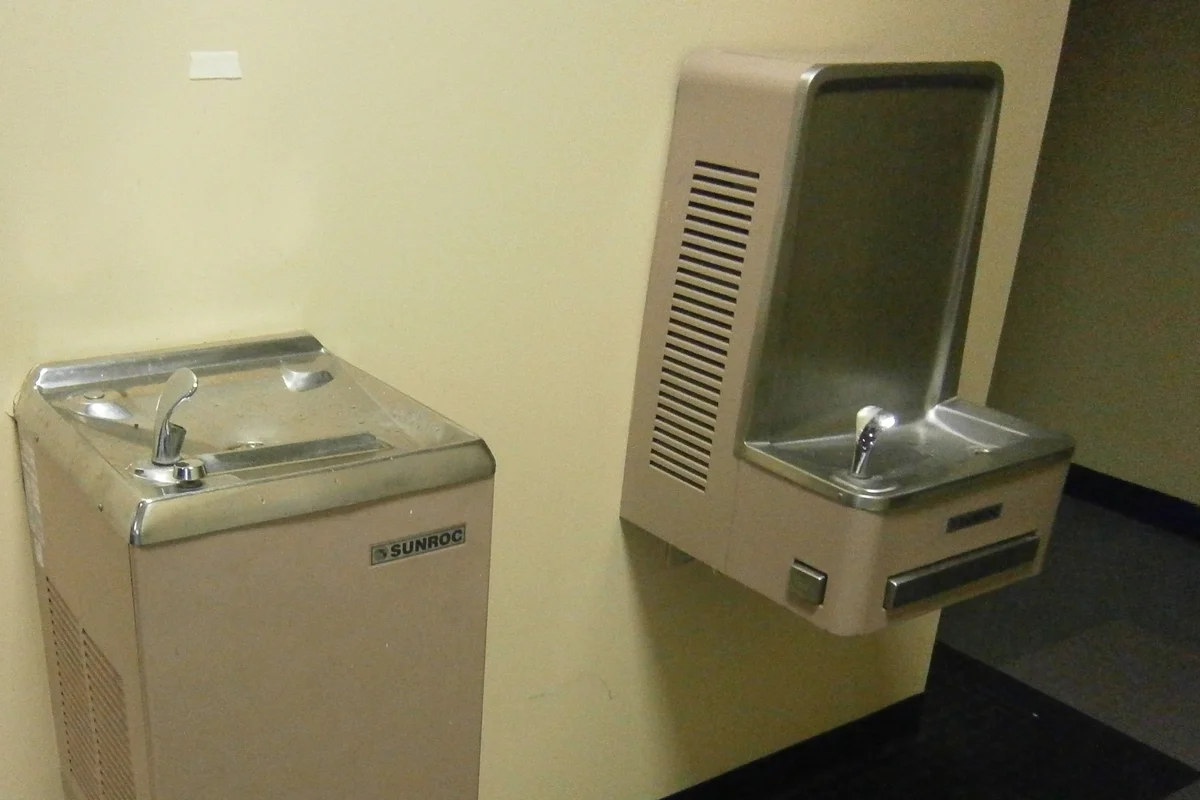
The 4-Step Pre-Collection Drainage Protocol
To prevent water leaks across your kitchen tiles, elevator lobby carpeting, or inside the removal vehicle, follow this simple drainage checklist prior to collection:
- Step 1: Power Isolation and Thermal Cool-Down: Switch off the red and green heating/cooling toggle switches on the rear panel, unplug the main power cord from the wall outlet, and allow the unit to rest for at least three hours so hot reservoir water cools to room temperature.
- Step 2: Bottle Removal and Spigot Emptying: Remove the plastic five-gallon bottle. Place a container under the front faucets and press both the hot and cold levers until water stops flowing from the exterior taps.
- Step 3: Uncapping Rear Drainage Ports: Position a shallow basin or tray behind the dispenser. Locate the threaded drain plug or silicone safety cap on the lower rear panel, unscrew it, and allow the remaining trapped water from the internal heating reservoir to drain completely.
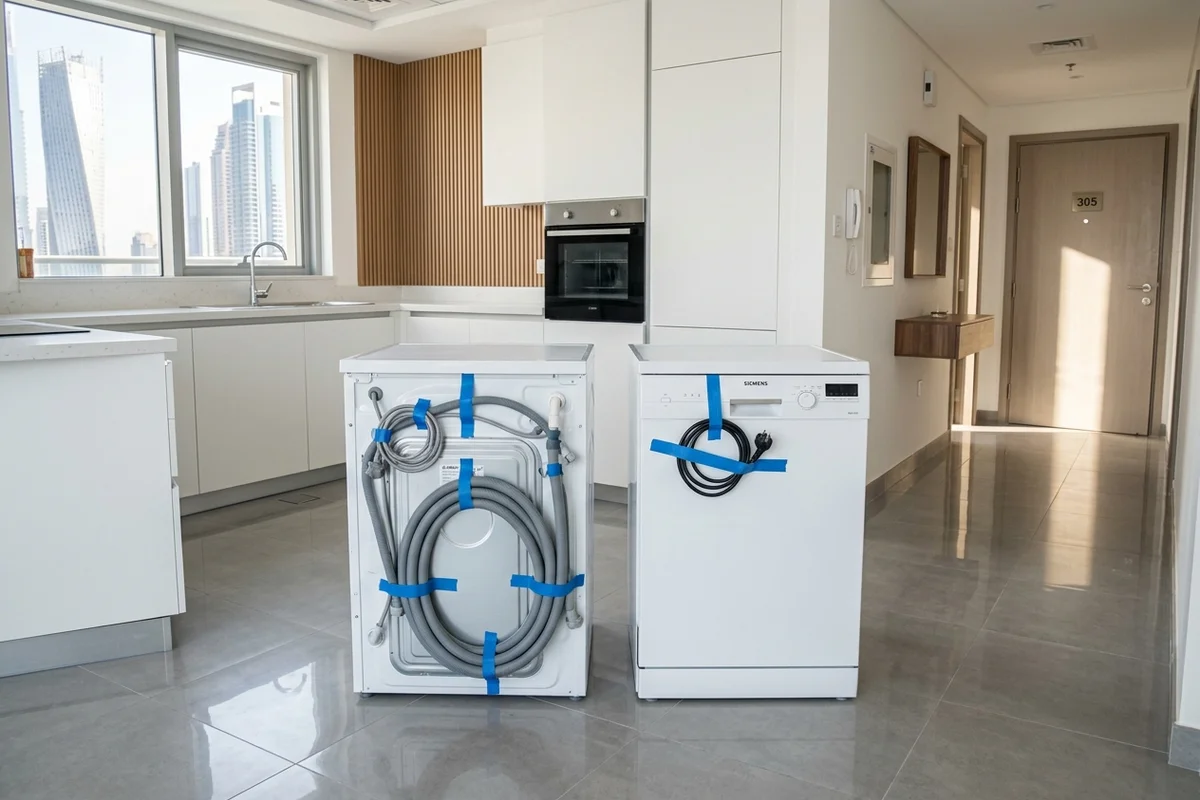
- Step 4: Securing Loose Parts: Replace and tighten the rear drain cap. Tape the front drip tray and power cord securely against the side chassis using low-tack painter's tape to prevent tripping hazards during transport.
Residential Apartments vs. Commercial Corporate Logistics
In residential towers across Downtown Dubai, JBR, and Dubai Marina, leaking water coolers in common corridors can lead to building maintenance fines or security deposit deductions. Ensuring complete rear drainage prevents slippery hazards on marble elevator floors.
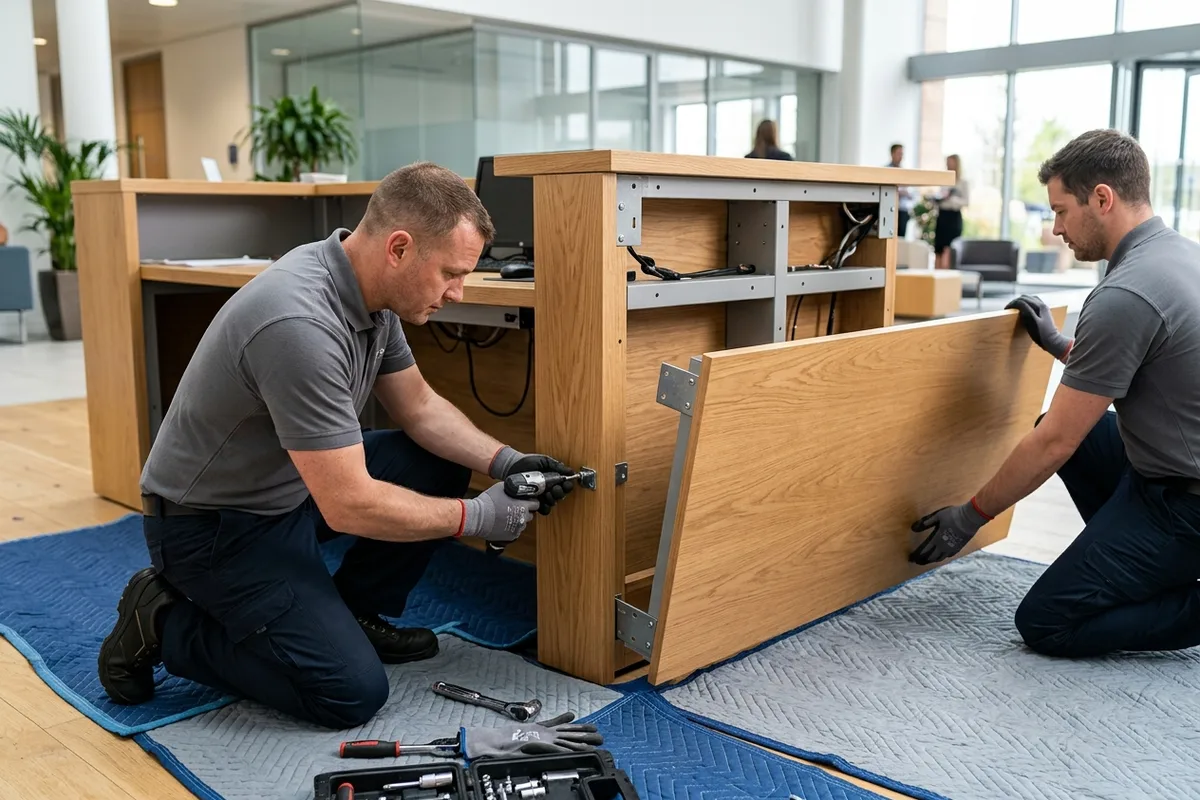
In commercial office spaces—such as corporate offices in DIFC, Dubai Media City, and Business Bay—dispenser replacement often involves clearing ten to twenty units simultaneously during corporate fit-out refreshes. Commercial clearances require coordinated dock appointments, padded freight elevator reservations, and formal building management security permits.
How Old Water Dispensers Are Recycled in the UAE
When collected by a certified e-waste handler, water coolers are transferred to authorized depollution centers in Dubai. The recovery process systematically disassembles each unit:
- Refrigerant Extraction: Specialized recovery machines extract pressurized refrigerant gases and compressor lubricants for certified reclamation or high-temperature destruction.
- Metals Recovery: The food-grade 304 stainless steel interior reservoir tanks, copper heat exchange coils, and outer steel framing are separated and shredded for domestic smelting.
- Polymer Segregation: High-impact polystyrene and ABS plastic housing panels are cleaned, shredded into granules, and reintegrated into manufacturing supply chains for non-food grade industrial containers.