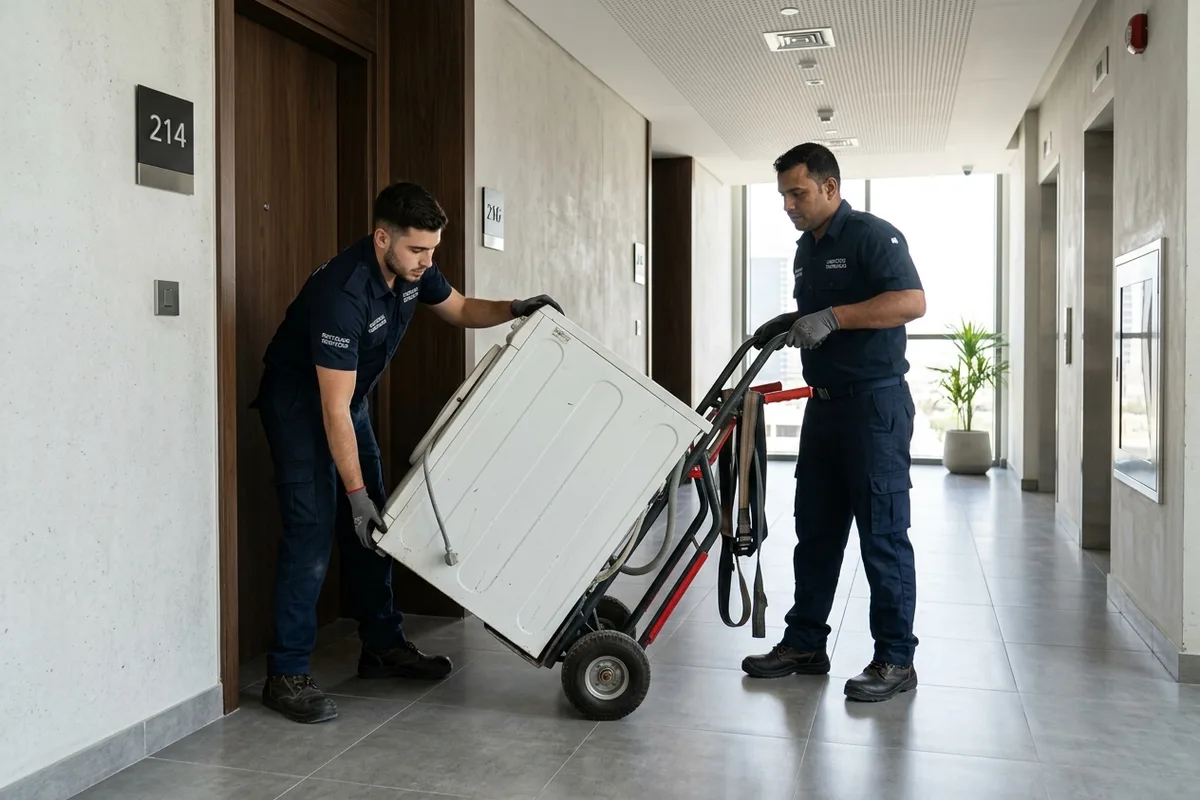
As the United Arab Emirates accelerates its national sustainability agenda and circular economy initiatives, appliance take back schemes uae residents encounter have become a primary pathway for diverting heavy white goods from municipal landfills. Unlike private scrap scavenging or informal second-hand markets, formalized take-back schemes establish clear, environmentally auditable channels where decommissioned refrigerators, washing machines, air conditioners, and cooking ranges are safely depolluted and recycled into clean industrial commodities.
Understanding Extended Producer Responsibility in the UAE
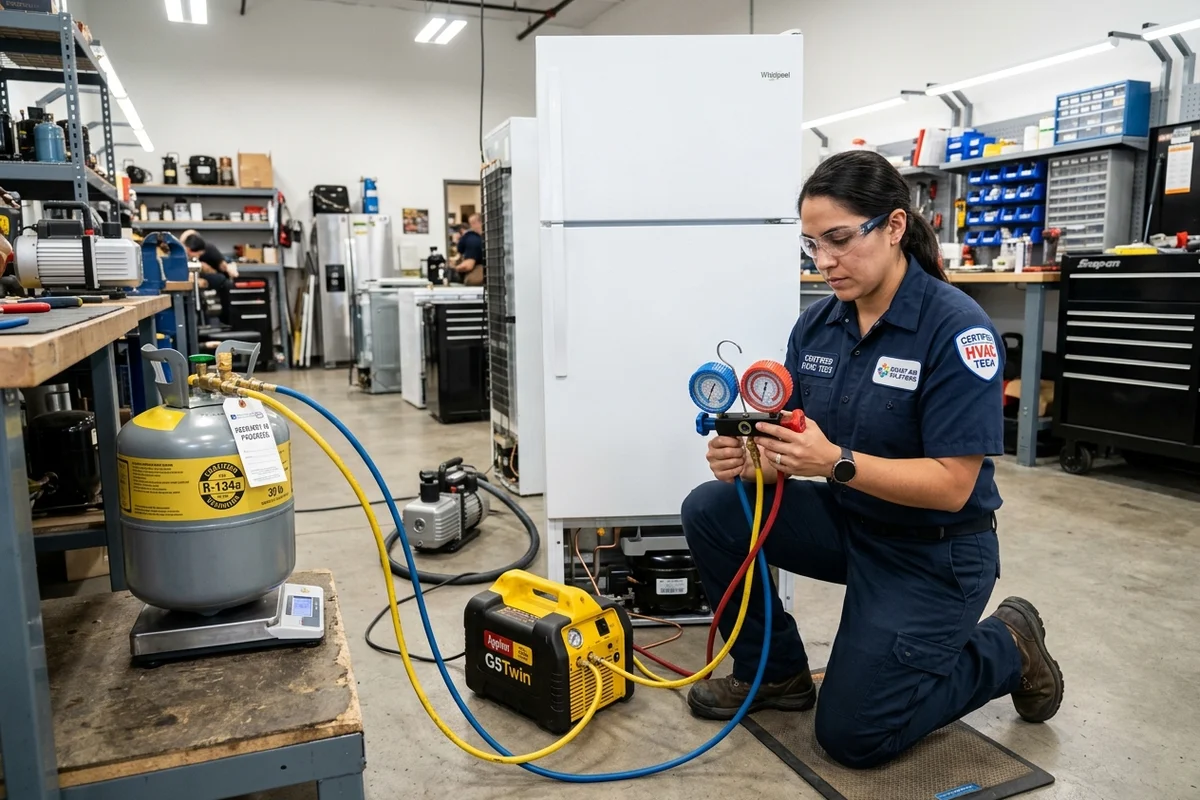
At the heart of modern appliance take-back programs is Extended Producer Responsibility (EPR). Under EPR frameworks, manufacturers, authorized distributors, and major retail importers bear financial and operational responsibility for the post-consumer lifecycle of the electronics and home appliances they sell. Rather than treating an appliance as disposable waste once its warranty expires, producers partner with licensed UAE recovery facilities to manage hazardous fractions and recover reusable raw materials.
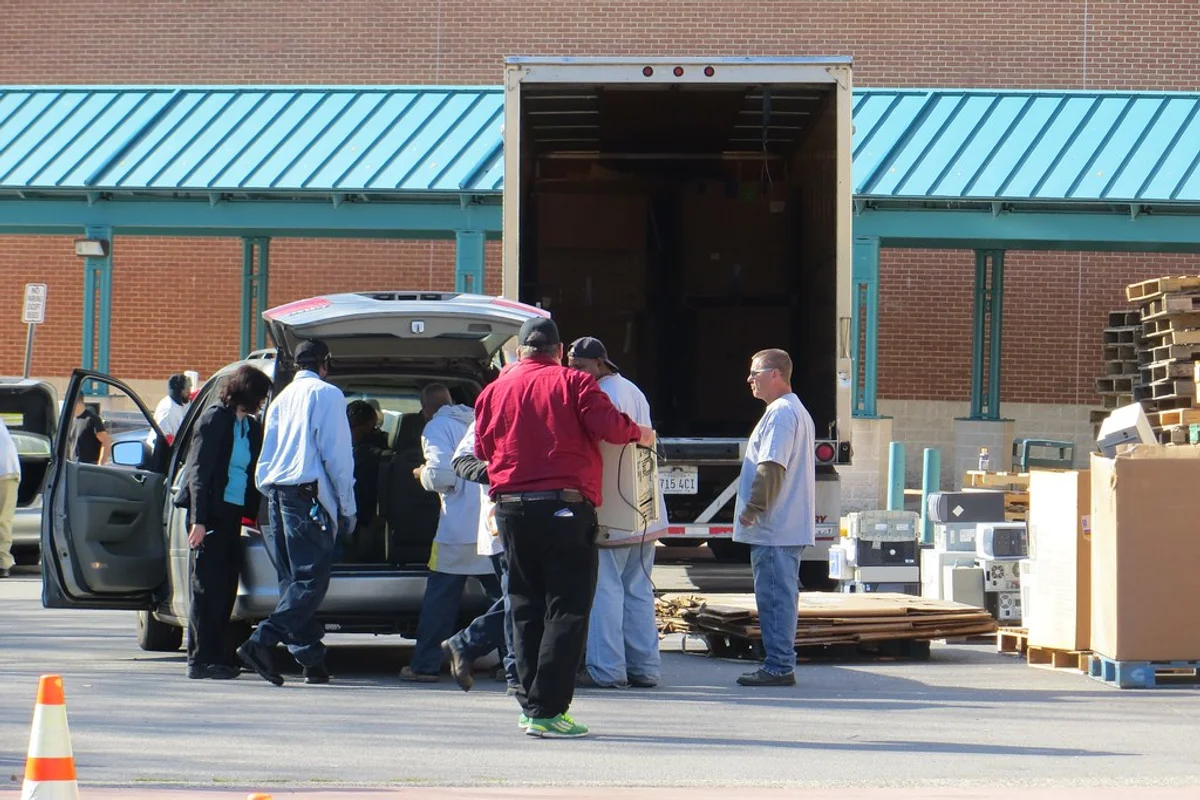
In practical terms for Dubai households, this means major home appliance brands increasingly sponsor reverse logistics networks. When an appliance reaches end-of-life, the manufacturer or distributor provides structured drop-off points or scheduled collection arrangements to ensure components such as copper compressor windings, steel chassis panels, and technical plastics are reclaimed rather than abandoned in communal refuse bays.
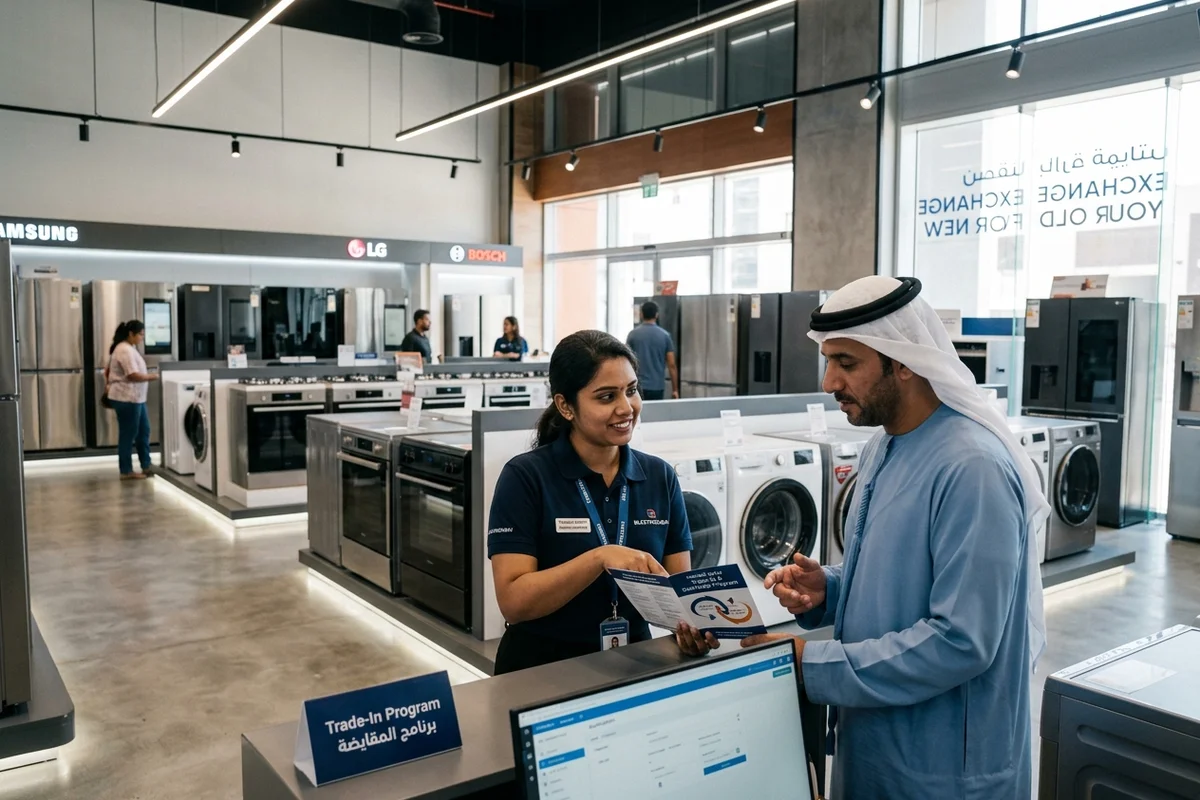
How Appliance Take-Back Differs from Retail Trade-In Programs
Many consumers confuse appliance take-back schemes with commercial trade-in promotions. While both result in an old machine leaving your premises, their operational incentives are fundamentally different:
- Commercial Trade-Ins: Focus primarily on driving sales of new replacement models. They require the old unit to meet cosmetic and functional grading criteria, offering a store voucher or purchase discount in exchange. If a unit is severely rusted or stripped of parts, trade-in programs often decline it.
- Environmental Take-Back Schemes: Focus on statutory ecological compliance and zero-landfill diversion. These initiatives accept non-functional, obsolete, damaged, or burnt-out appliances regardless of cosmetic condition, prioritizing safe extraction of hazardous oils, refrigerants, and heavy metals.
- Financial Return: Trade-ins yield store credit or direct discounts on a new receipt, whereas environmental take-back schemes are typically non-monetary collection services offered free or for a modest logistics contribution.
The 1-for-1 Delivery Collection Model in Dubai
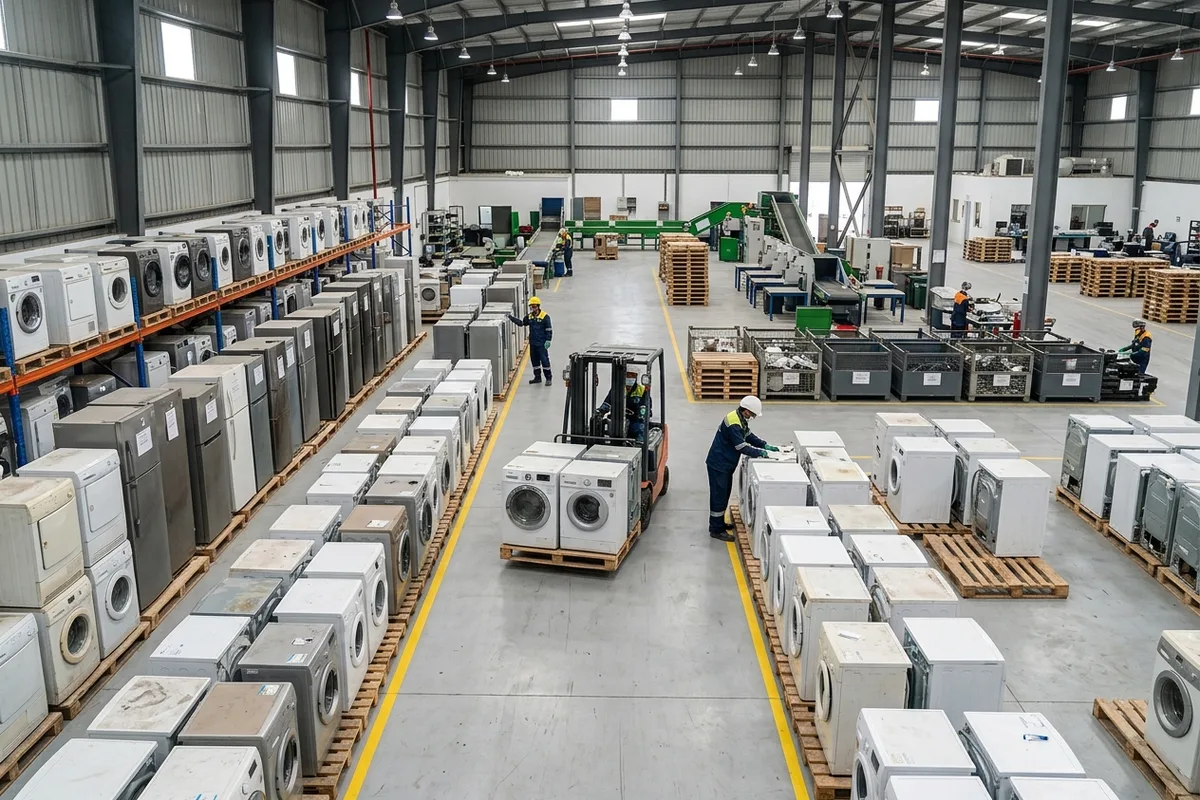
The most common and convenient appliance take-back format in Dubai is the delivery-linked 1-for-1 collection. When ordering a new refrigerator, washing machine, or cooker through an authorized brand distributor or major hypermarket e-commerce portal, customers can select an environmental recycling take-back checkbox at checkout.
Under this arrangement, the logistics carrier delivering your new machine loads your decommissioned unit onto the same delivery vehicle for return transport to an accredited recycling facility. This reverse logistics model eliminates extra road trips, reduces transport emissions, and prevents heavy appliances from sitting unattended in building corridors or service lobbies.
Preparing Your Appliance for a Take-Back Handover
Take-back collection crews operate on tight delivery schedules across Dubai residential communities. To ensure seamless handover, residents must complete basic staging before the transport team arrives:
- Complete Utility Disconnection: Delivery and take-back drivers are hauliers, not licensed plumbers or electricians. All water supply taps must be shut off, drain hoses emptied, electric isolators turned off, and power plugs pulled from wall sockets.
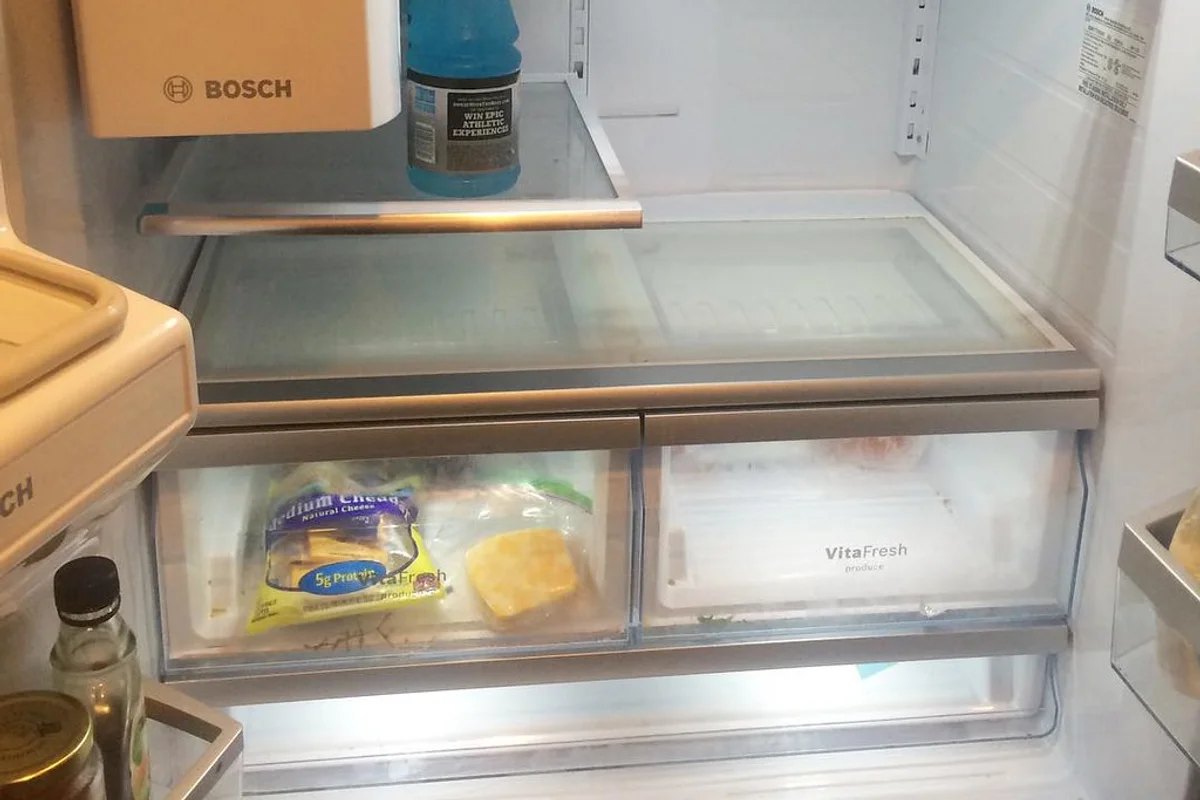
- Defrosting Refrigeration Units: Fridges and freezers must be turned off and defrosted at least 24 hours in advance to prevent meltwater from spilling across building corridors or delivery truck beds.
- Draining Residual Water: Washing machines and dishwashers contain up to 4 litres of trapped water in internal sump basins and pump filters. Unscrew the lower drainage cap over a shallow tray before the crew arrives.
- Securing Doors and Shelves: Use low-tack blue painter's tape to secure loose internal glass shelves and prevent doors from swinging open during stairwell or service lift transit.
- Building Management Move-Out NOC: In gated villa developments and high-rise towers in Downtown Dubai, Dubai Marina, or JLT, arrange the necessary service lift reservation and security gate pass in advance.
When to Use a Take-Back Scheme vs Private Removal Services
While appliance take-back schemes offer an excellent green solution when purchasing a replacement unit, they have operational limitations. Retailer take-back teams typically only accept an old unit on a strict 1-for-1 basis matching the specific category being delivered (for example, taking one old fridge when delivering one new fridge).
If you are managing a comprehensive tenancy move-out, remodeling an entire kitchen with multiple built-in units, disposing of unbundled commercial equipment, or needing immediate same-day removal without buying a new appliance, an independent licensed junk removal service provides the necessary flexibility, handling disconnection, heavy lifting, and consolidated recycling in a single scheduled appointment.