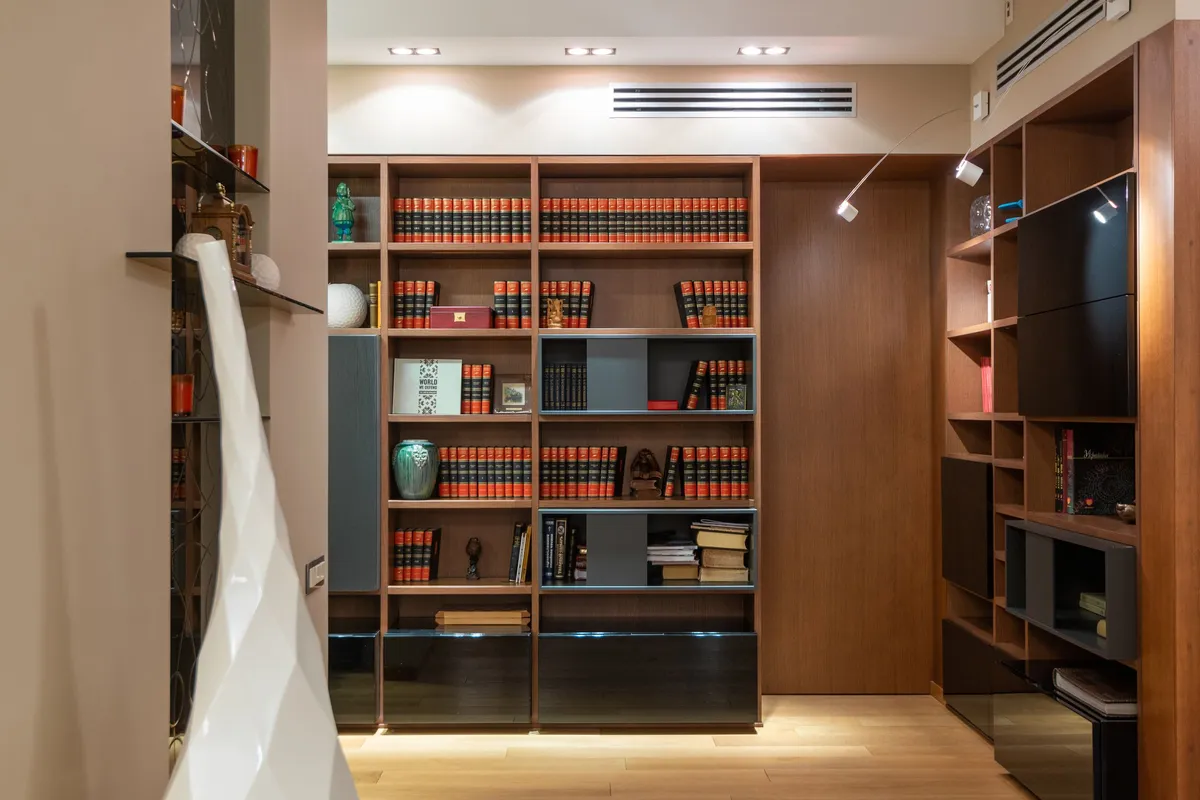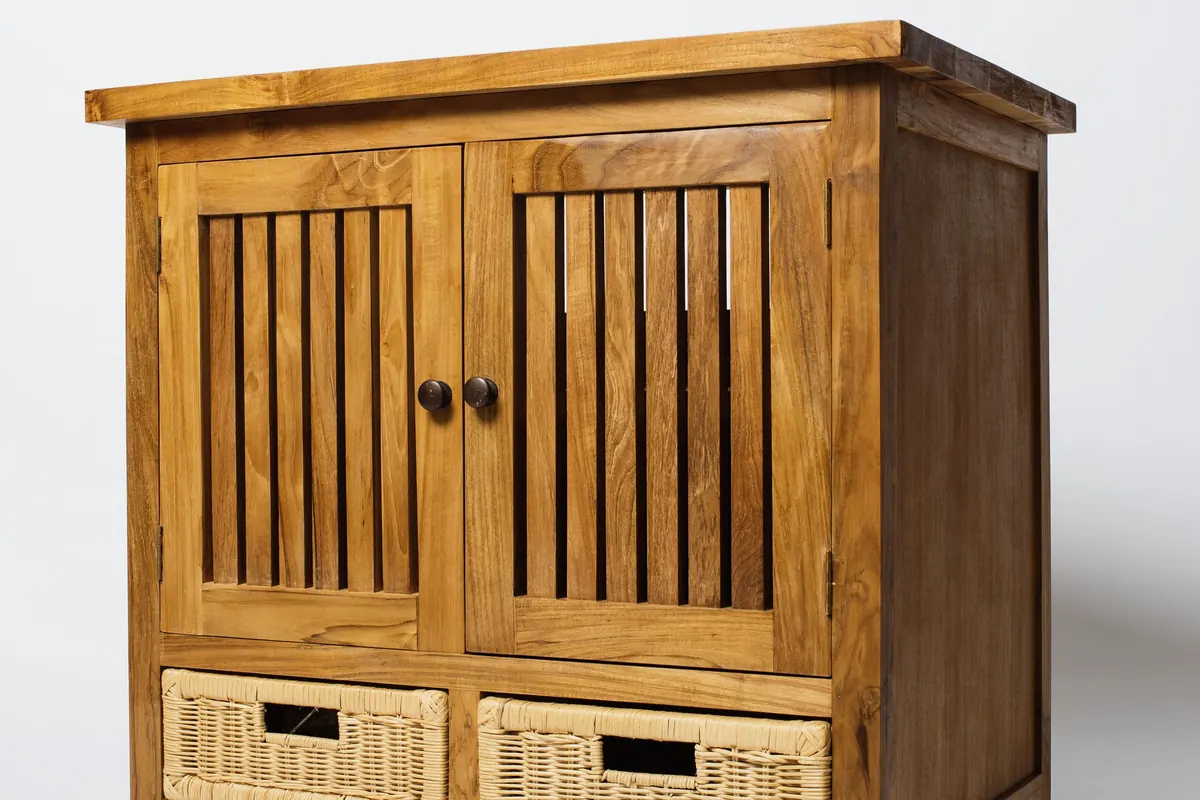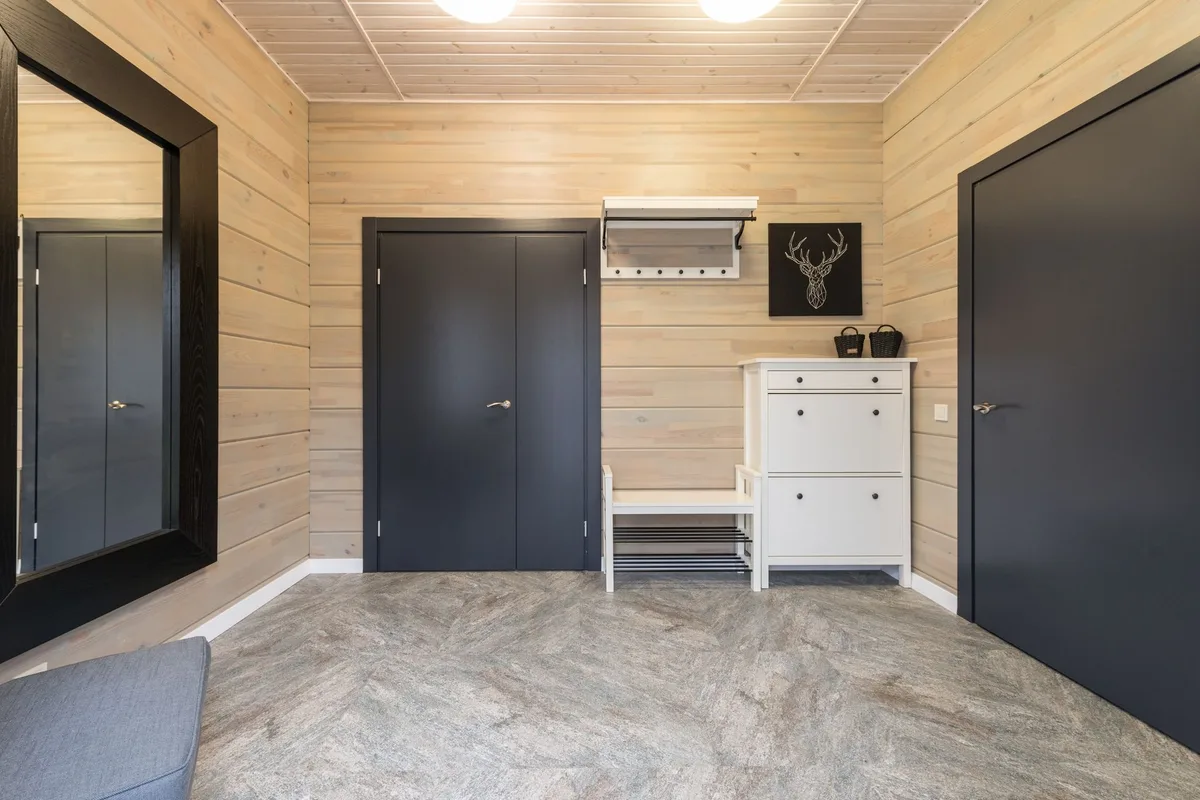
A shoe rack, a plastic drawer tower and a storage bench share one trait: individually, none of them is heavy or difficult, but a home rarely has just one, and they end up scattered across three or four different spots rather than sitting together as an obvious job. This guide covers what actually counts as small storage furniture, why it is the category people under-scope, which pieces are genuinely worth passing on, and how it normally gets booked.
What counts as small storage furniture
This is a broader category than the name suggests, and it is worth listing out because most of it does not look like furniture at first glance.
- Shoe racks, in every common form: open slatted shelves, cabinet-style units with doors and a drop-down flap, and over-door hanging pockets.
- Plastic drawer towers, the stackable units used for clothing, toys or general overflow in a bedroom or store room.
- Storage benches and hard-shell ottomans with a lift-off or hinged lid.
- Laundry hampers built on a frame rather than a simple bag.
- Wheeled under-bed storage boxes.
- Cube shelving units, with or without fabric bins.
It is worth being just as clear about what this is not. A wardrobe is its own item class with its own dismantling questions. A bookshelf is judged on the weight of what is sitting on it rather than on the shelf itself. A closed cabinet with hinged doors is a different job again, built around what is behind the doors rather than what sits on open shelving. Each of those is covered in its own place on this site; small storage furniture is everything lighter and simpler than all three.
Why it is the category people under-scope
When someone plans a furniture clear-out, they picture the big items: a sofa, a bed, a wardrobe. Small storage furniture rarely makes that mental list, because none of it looks difficult enough to plan around, and it gets added at the door rather than mentioned at booking.
That would matter less if it all lived in one place, but it does not. Shoe racks sit at the entryway. Drawer towers are usually in a bedroom or a closet. Benches and hampers turn up in a laundry area or a store room. A genuinely complete clear-out of this category means checking several rooms, not glancing at the one that comes to mind first.
The material split that decides what is worth keeping
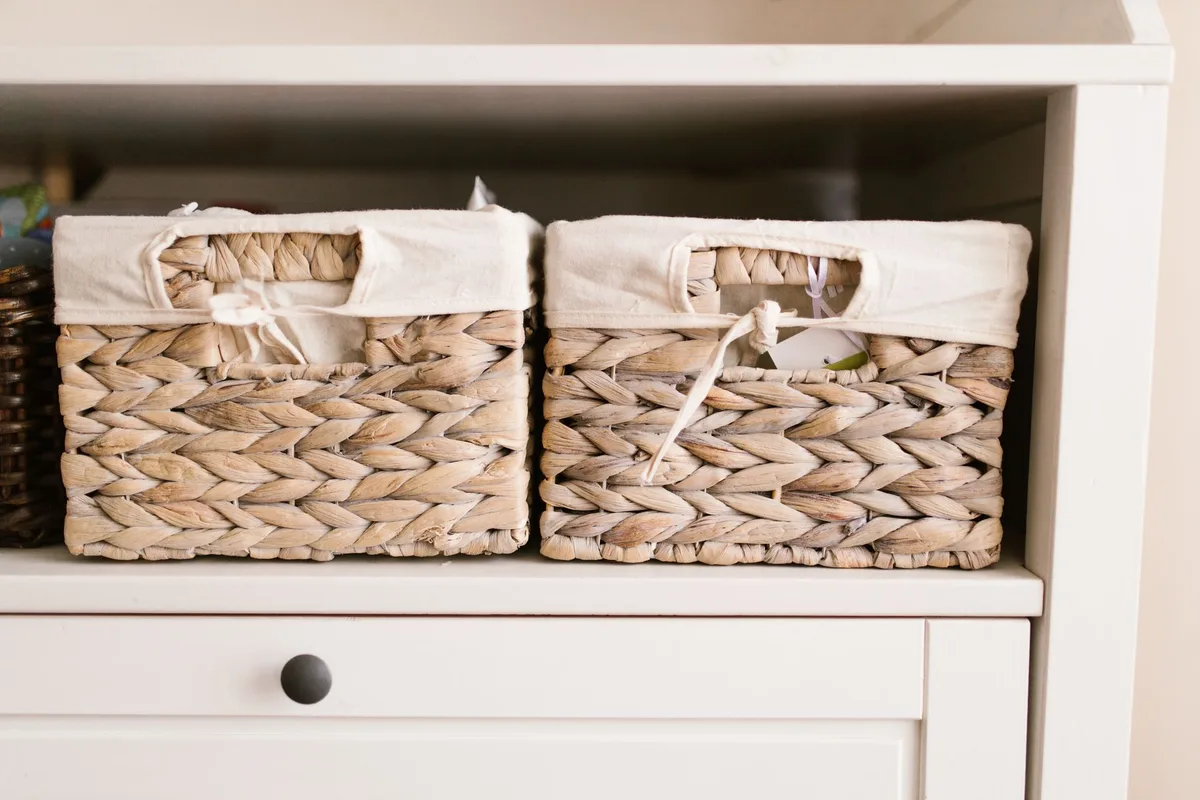
What a piece is made from decides the answer here more than how old it is.
- Solid wood or laminated flat-pack shoe cabinets are treated like any other flat-pack furniture. A complete, undamaged unit is genuinely placeable through a sale or donation; one that is chipped, water-swollen at the base, or missing a door is a straightforward disposal decision.
- Plastic drawer towers hold up functionally for years but attract almost no resale interest even in good condition, since a replacement costs little and most people would rather buy new than collect a used one. Cracked drawer runners or a missing drawer settle the decision quickly.
- Woven or wicker baskets and fabric storage bins wear out at the liner and the stitching long before the frame does. The basket itself is often still useful, and this is one of the more commonly donated pieces in the whole category.
- Storage benches live or die on the hinge and the seat rail. Check that the lid still holds its position and the seat still takes weight safely; fabric that looks tired but a structure that is sound is still worth passing on.
Booking a collection for this category
Because individual pieces here are small, a standalone booking for just one or two of them is likely to land at or near a minimum charge, the floor price that applies to a job regardless of how little it actually contains, covered in more detail elsewhere on this site. That is worth knowing before assuming a single shoe rack is a cheap, separate errand.
Far more often, these pieces travel as part of a bigger job, a bedroom clear-out or a full move-out, rather than getting booked on their own. List them explicitly when you book rather than assuming they will be spotted, since small storage furniture is exactly what gets left off a mental inventory. If you are booking a standalone collection for this category specifically, note every unit and where it actually is, entryway, store room, balcony, since these are the pieces most likely to be spread across the home rather than gathered in one spot already.
None of this category is difficult to remove. The only real risk is under-counting it, because nothing in it looks big enough to plan around on its own. Walk the home room by room, sort what you find by material rather than by how old it looks, and put it on the list explicitly, whether it is riding along with something bigger or leaving by itself.