Curtains, blinds and the rails or tracks they hang from get treated as an afterthought in most home clear-outs, tucked into whichever box or bag still has room left. They are actually three different things with three different fates — fabric, hardware and a mechanism — and treating them as one lot is usually what makes an otherwise simple job run long. This guide covers each of them on its own terms.
Curtains, blinds and rails are three different objects, not one
The word "curtains" covers a soft fabric problem. "Rails" and "tracks" cover a fixed hardware problem, usually screwed into a wall or ceiling. And "blinds" cover a mechanism problem — slats, cords, a tilt wand or a motor, depending on the type. Each one is decided by a different question: whether the fabric is worth keeping, whether the fixing belongs to you or the building, and whether the mechanism still works.
Once you separate the three, the whole job gets simpler. What follows takes them in that order.
Fabric curtains: when to launder, sell or bin them
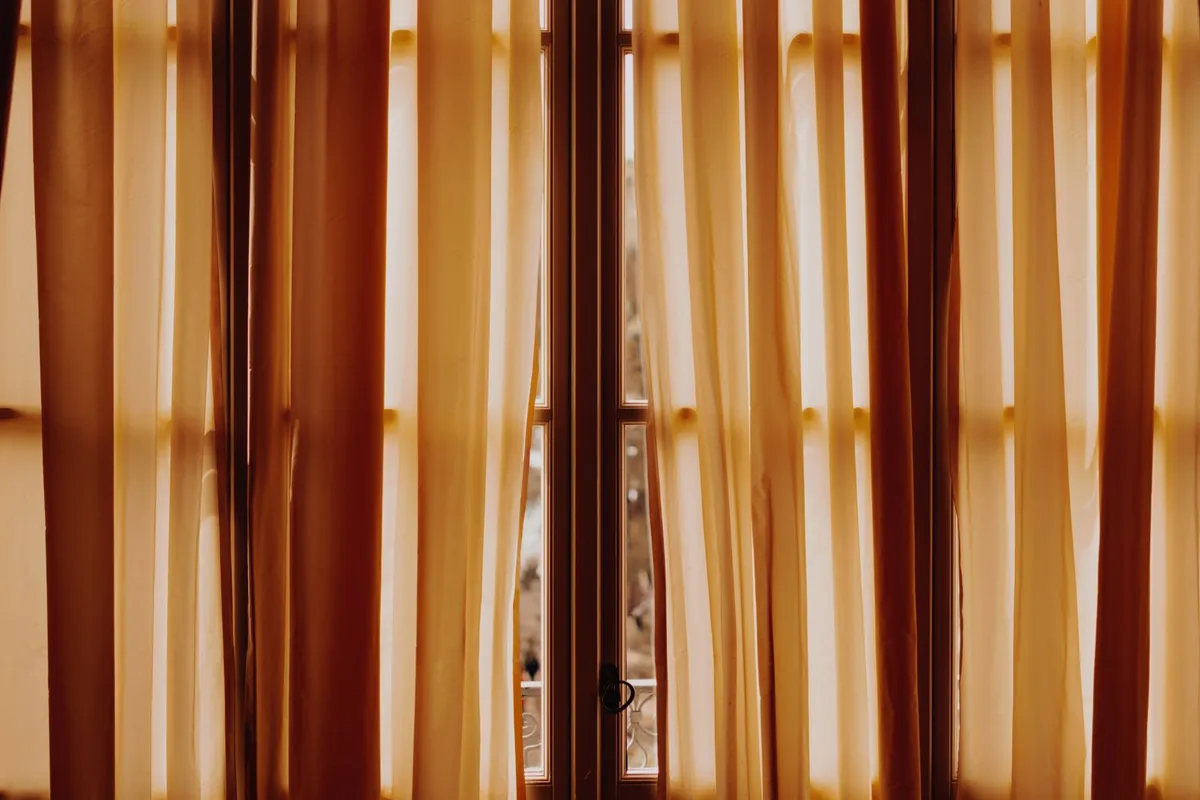
A curtain in good condition is a laundry problem, not a disposal one. Most fabric curtains wash or dry-clean perfectly well, and a set that is simply dusty or a little faded is worth keeping or passing on rather than replacing.
The honest reasons to let a set go are physical, not aesthetic: sun-bleaching that has thinned the fabric unevenly, a persistent musty smell from condensation around an air conditioning unit, or visible mildew spotting near the hem — all common in a climate where curtains sit against a cooled window for most of the year. Blackout-lined curtains are heavier and bulkier than a plain fabric pair, and count for more of a load's volume than their size on the rail suggests, which is worth mentioning if you're booking a collection alongside other items.
Rails, tracks and rods: the part people leave screwed to the wall
A curtain rail or track is a fixture before it is furniture, and whether it leaves with you depends on who it belongs to. In a rented apartment, a rail fitted as part of the building's original handover usually stays — check your tenancy terms rather than assuming, since removing a fixture that was part of the handover can turn into a deposit conversation you didn't need to have.
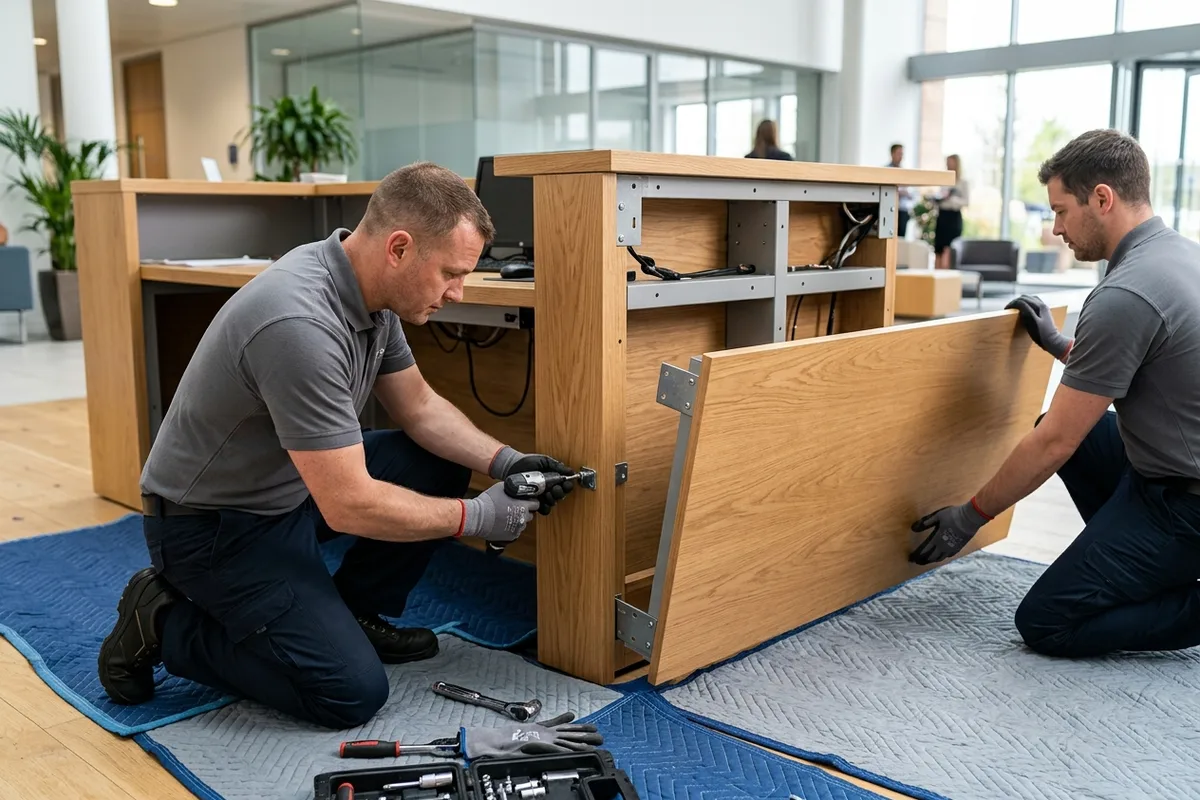
If a rail genuinely is yours to remove, take the brackets and any screws down with it and bag them against the rail itself rather than dropping them loose into a box of unrelated items — a rail without its fixings is far harder to reuse or reinstall, and loose screws are one of the easiest things to lose in a move. And if you're taking a rail down, expect small screw holes left in the wall; patching them is a normal, minor part of handing a property back.
Blinds: how the mechanism decides whether it comes down in one piece
A blind is defined by its mechanism more than its material, and that mechanism is usually what fails first. A venetian blind tilts and raises its slats on a set of cords running through a headrail — the cords are the weak point, and a snapped one is the single most common reason a working blind gets replaced rather than repaired. A roller blind winds a single piece of fabric onto a spring-loaded or motorised tube inside a headrail, and it fails when the spring loses tension or the fabric detaches from the tube. Vertical louvre blinds hang individual slats from a track and turn on a chain-linked mechanism at the base of each slat, which is the part most likely to snap first.

A motorised blind adds a battery pack or a mains transformer to that mechanism, and the same rule that applies to any other powered item in a home applies here — the motor and battery are electrical waste, separate from the headrail and slats, even though the whole unit looks and travels as one object.
Getting a whole apartment's window dressings out in one visit
Window dressings multiply fast once you count them — most apartments have one set per window, and a two- or three-bedroom unit can easily mean six or eight separate items between curtains, rails and blinds by the time every room is counted. Go room by room rather than pulling everything down first and sorting it afterwards, and bag or bundle each room's items together as you go, so a bracket or a set of hooks doesn't end up separated from the curtain it belongs to.
Decide rail by rail whether it is coming with you or staying for the next tenant before you start, rather than mid-job — that decision genuinely changes whether you need a screwdriver at all.
What's worth keeping when you move
Curtains rarely fit a new home exactly. Window width and drop height vary enough between apartments that a set cut for one window is usually too short, too long or too narrow for the next one, so moving a full set across a city is often more trouble than the fabric is worth unless the measurements happen to match. Blinds are worse in this respect, not better — almost every blind is cut to the precise width of the window it was fitted to, and a blind that doesn't fit its new window isn't adjustable the way a curtain arguably is.
The practical version of that advice is simple: measure your new windows before you decide what to keep, rather than assuming a set that worked in one apartment will work in the next.
Curtains, rails and blinds rarely need a dedicated visit — they usually leave alongside furniture or as part of a wider clear-out — but treating them as three different problems rather than one tangle of fabric and hardware is what keeps that visit quick. Sort fabric from fixings from mechanism, decide what actually belongs to you, and the rest of the job is mostly bagging things correctly rather than working anything out.