A nursery is usually cleared all at once. The child has outgrown it, or a second one is on the way, or the family is leaving the country — and everything that went into the room over three years comes out of it in an afternoon. It looks like one job. It is two, and treating it as one is what leads to a fortnight spent trying to find a home for a cot that nobody will take. Sorting the room into the right two lists first makes everything after it straightforward. Both lists usually leave in a single furniture removal in Dubai, but they are packed and routed differently.
Split the room into furniture and safety equipment
Everything in a nursery falls into one of two groups, and each is judged by a completely different standard. Ordinary furniture is judged on condition, exactly like furniture anywhere else in the home. Safety equipment is judged on its history — and a second-hand item can rarely prove one.
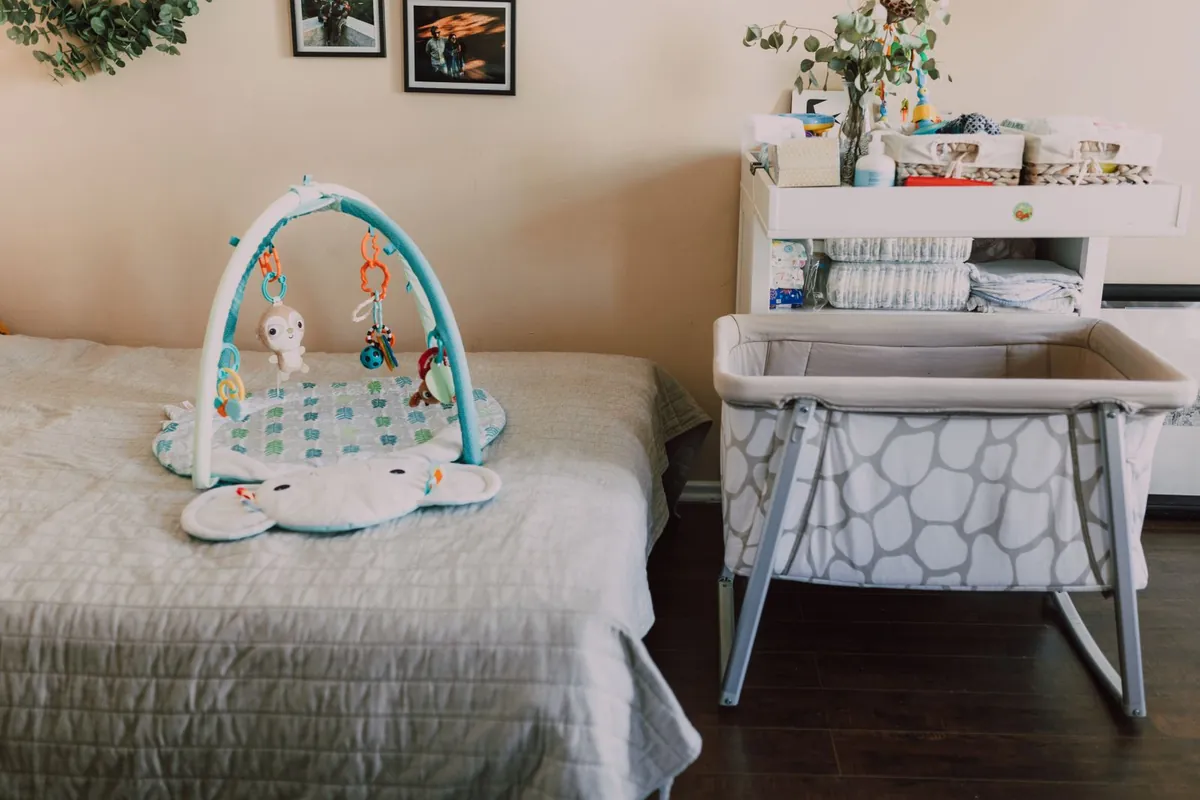
- Judged on condition, like any furniture: the nursery wardrobe, the chest of drawers, the changing unit if it is really a chest with a padded topper, the nursing armchair, the bookcase, toy storage, and a child's small table and chairs.
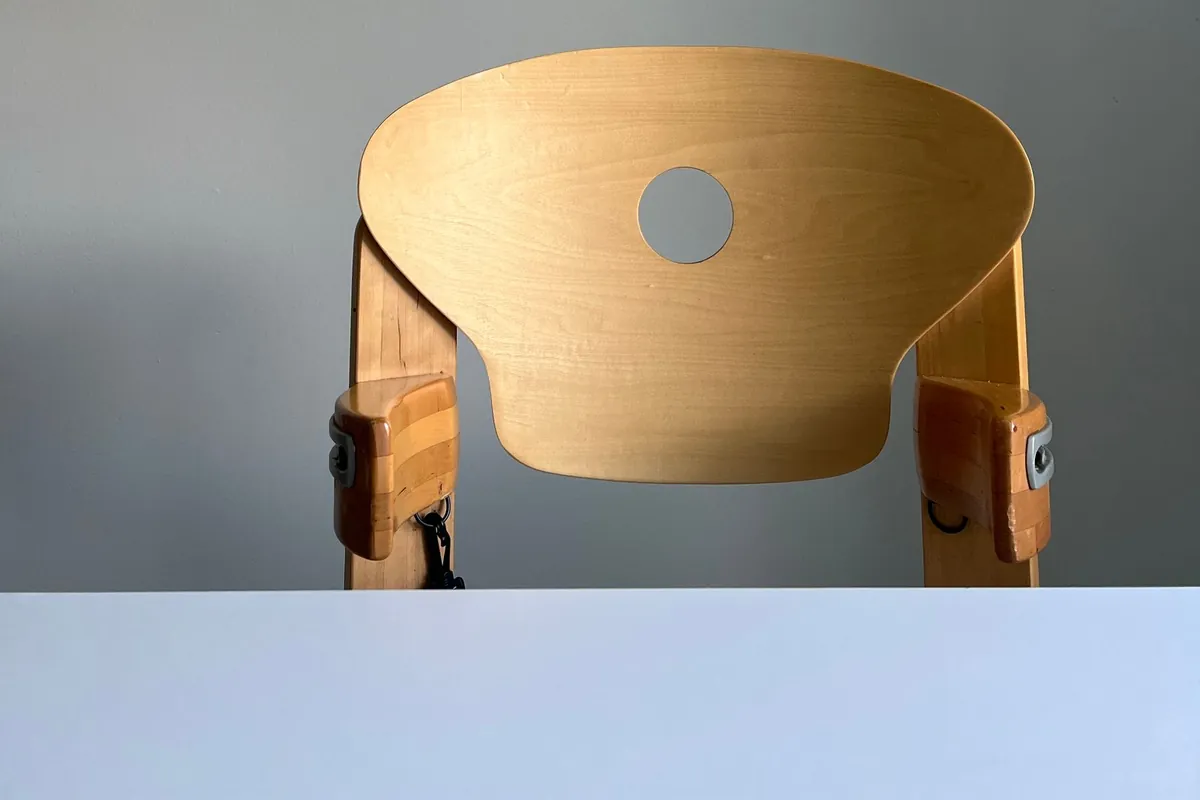
- Judged on its history: the cot and its mattress, a travel cot, the car seat, a high chair with a harness, stair gates, a bath seat, and a pram or stroller.
The first list goes wherever furniture goes — offered on, sold, or collected. Most of the second list does not, however good it looks and however little it was used. That is the whole shape of the job.
Why good condition is not enough for the second list
A used cot or car seat is turned down because of what cannot be verified about it, not because of how it looks. This catches people out precisely because baby equipment tends to be in excellent condition — a cot is outgrown in around three years, and it spends most of that time being slept in rather than knocked about.
- Safety requirements for children's products change over time. A cot made years ago may have been built to different expectations for things like the gap between its bars, and nothing on the item tells you which.
- A car seat is designed to absorb one impact. Damage from a collision is frequently invisible from the outside, and nobody buying or receiving a used seat can confirm it has never been in one. This is why car seats are declined almost universally.
- Cot mattresses are declined for the same reasons any used mattress is, and a cot offered with its mattress is often turned down as a pair.
- Missing parts matter more here than on adult furniture. A cot without its original fixings, or a high chair without its harness, is not an item with a small fault — it is an item that no longer does the one thing it exists to do.
- Products are sometimes recalled after they are sold, and a recall is not visible on the item itself years later.
None of this is a rule imposed on you by anyone. It is simply why charitable organisations, community groups and sensible individuals draw the line where they do, and it is worth knowing on day one rather than after two weeks of unanswered messages. Plan for the safety-equipment list to be a collection, and treat anything that does find a home as a bonus.
The exceptions worth knowing about
A few things move more easily than the general rule suggests, and they are worth separating out before you write off the whole list.
Cot-beds that have already been converted are the clearest case. Once the sides are off and it is a low toddler bed, it is being judged as a small bed rather than as a cot, and the objection that applies to cots does not apply in the same way. Keep the conversion parts with it.
Prams and strollers in genuine working order also move on more readily than cots and car seats do, because their condition is visible rather than hidden. Test the brake, fold and unfold it a few times, and check the harness clips actually latch before offering it. A stroller that does not fold cleanly will not be wanted.
And solid nursery furniture stops being nursery furniture the moment you stop calling it that. A good chest of drawers bought for a baby's room is a chest of drawers, and it should be offered as one — described by its size, timber and condition rather than by the room it happened to be standing in.
Taking a cot apart
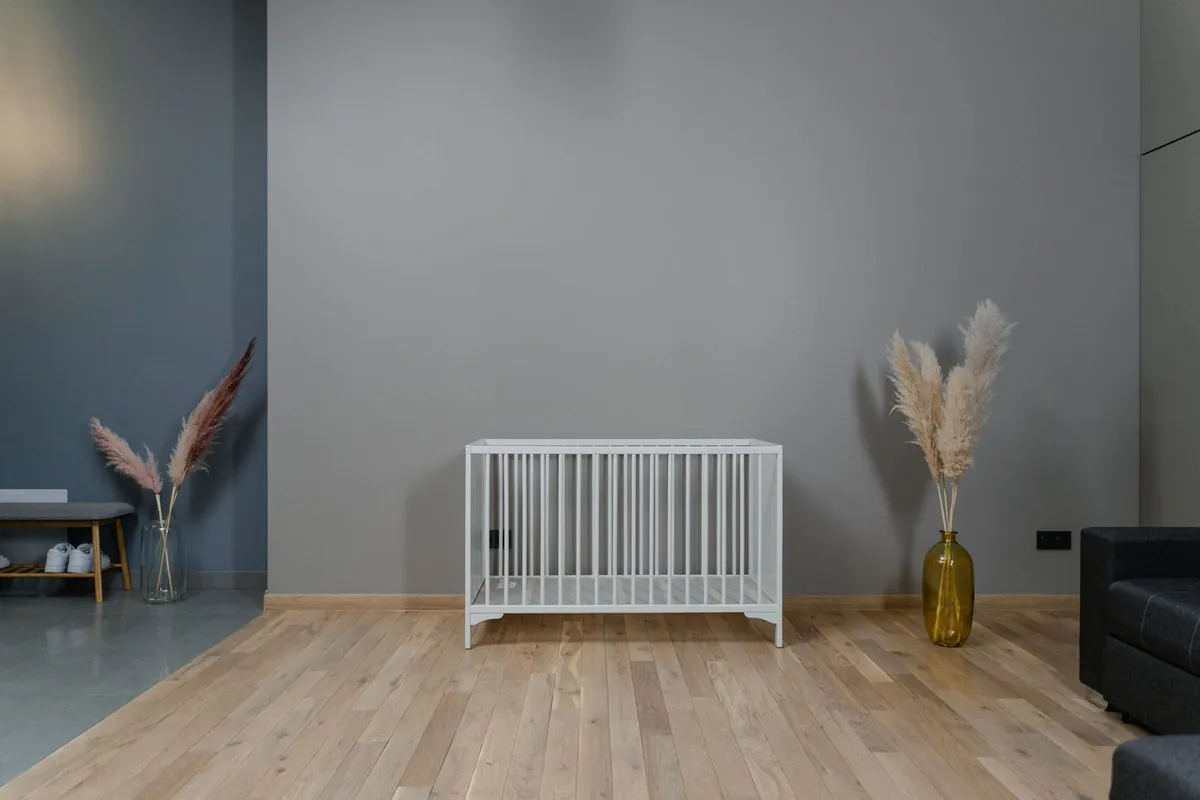
A cot comes apart in the room, and it usually comes apart easily, because it was designed to be assembled by one tired adult in a bedroom. The order matters more than the tools do.
- Take the mattress out and stand it aside. It is a separate item and travels separately.
- Drop or remove the sliding side if the cot has one, so nothing swings while you work.
- Undo the base platform next. On most cots the base is what holds the two ends apart, and everything loosens once it is out.
- Separate the ends from the long sides. The fixings are usually cam locks or hex bolts, and one hex key does the whole cot.
- Bag the fixings and tape the bag to a panel. If the cot is going on to somebody, missing bolts end it; if it is not, this costs you ten seconds anyway.
- Stack the panels flat and keep the two slatted sides together.
Two practical notes. Cot ends are wide and light, which is an awkward combination — the width is what catches on a door frame or a lift-car opening, so measure across the widest panel before the day rather than discovering it on the landing. And some cots are glued at the corners rather than bolted. Those do not come apart, they leave whole, and they take up the space of a whole cot on the vehicle.
Clearing it in one collection
Send the whole room at once. Nursery items are individually small and collectively awkward, and because collections are priced on the space a load takes up, a cot, a changing unit, a high chair, a travel cot, a stroller and several bags of soft toys together take a modest share of a vehicle. Three separate trips for the same things cost considerably more than one.
Four details are worth giving when you book: roughly how many pieces there are, whether the cot is coming apart or leaving whole, whether a cot mattress is included, and which floor the room is on. Mattresses are worth mentioning separately because they do not compress, so they take the space they take regardless of what else is on board.
This clear-out is nearly always attached to something else with a date on it — a move, a lease ending, a new baby — so it tends to happen under time pressure. Deciding what is going before anyone arrives is the single thing that stops it becoming two visits.
The useful thing to take from all of this is where to spend your effort. Do not spend a fortnight trying to rehome a cot. Sort the room into the two lists on the first day, offer the furniture half the way you would offer any furniture, and book the rest as one collection. The fortnight is better spent on whatever move or arrival prompted the clear-out in the first place.