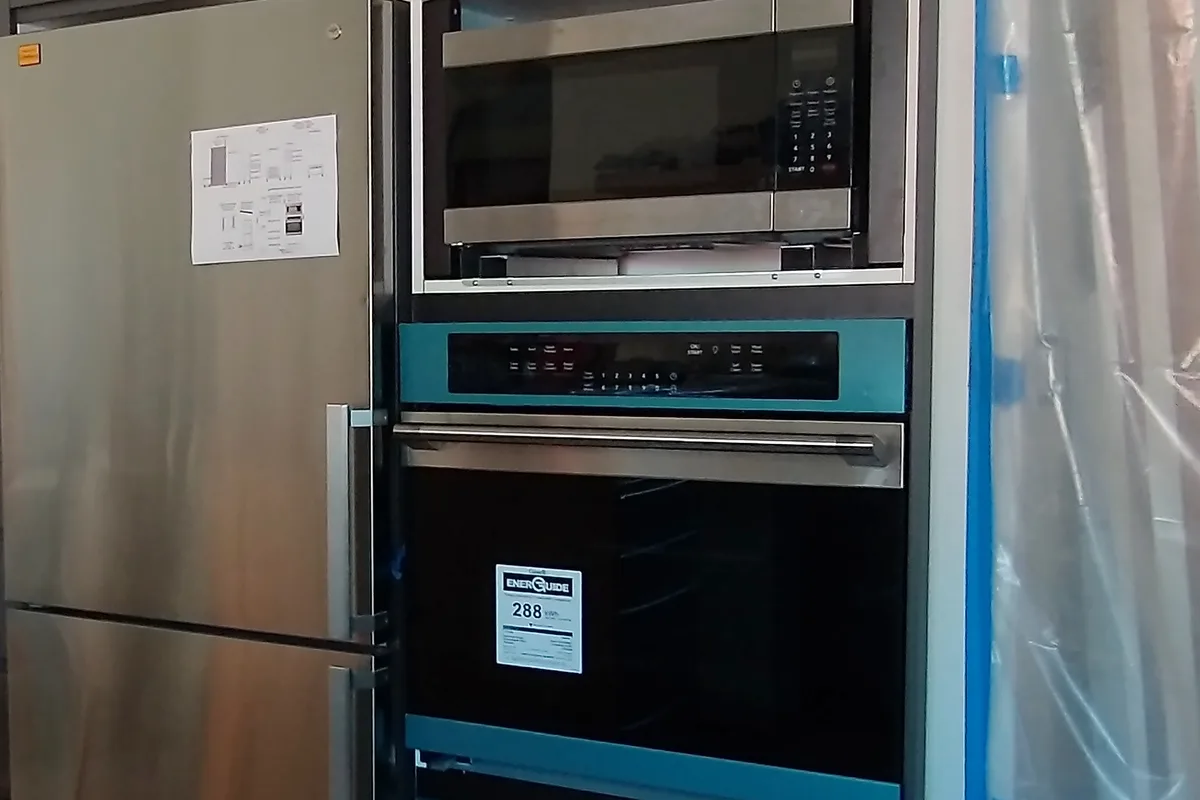
An appliance clear-out stalls for a different reason than a furniture clear-out does. Nothing on the list can move until it has been separated from something — a socket, a water feed, a gas point, a sealed cooling circuit — and each of those takes a different person and a different amount of notice. So this checklist is built around that fact rather than around rooms: group the machines by what they are attached to, and the order of everything else follows.
Sort the list by connection, not by room
Walk the home once and write down every machine that is not staying. Then put each one into one of four groups, because the group decides who has to touch it and how far ahead you need to start.
- Plug only — a television, a vacuum cleaner, a countertop microwave, a fan. You unplug it yourself and it can leave the same day.
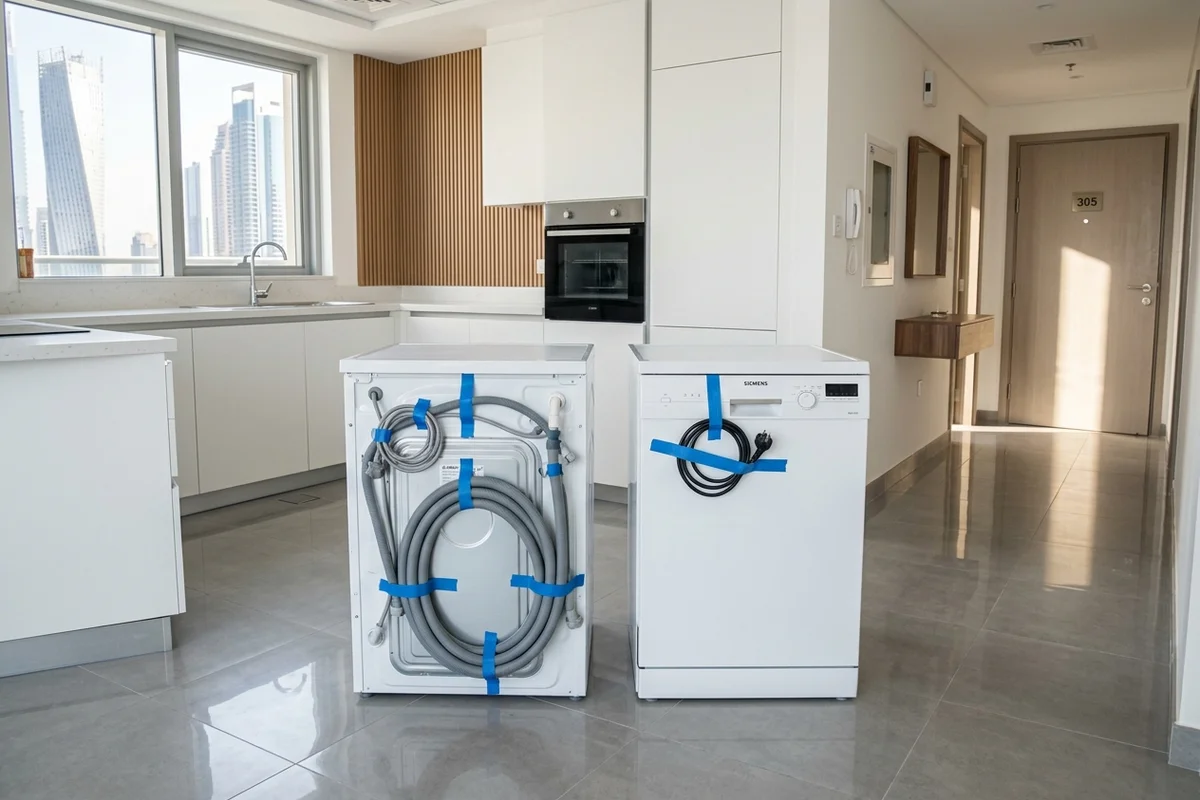
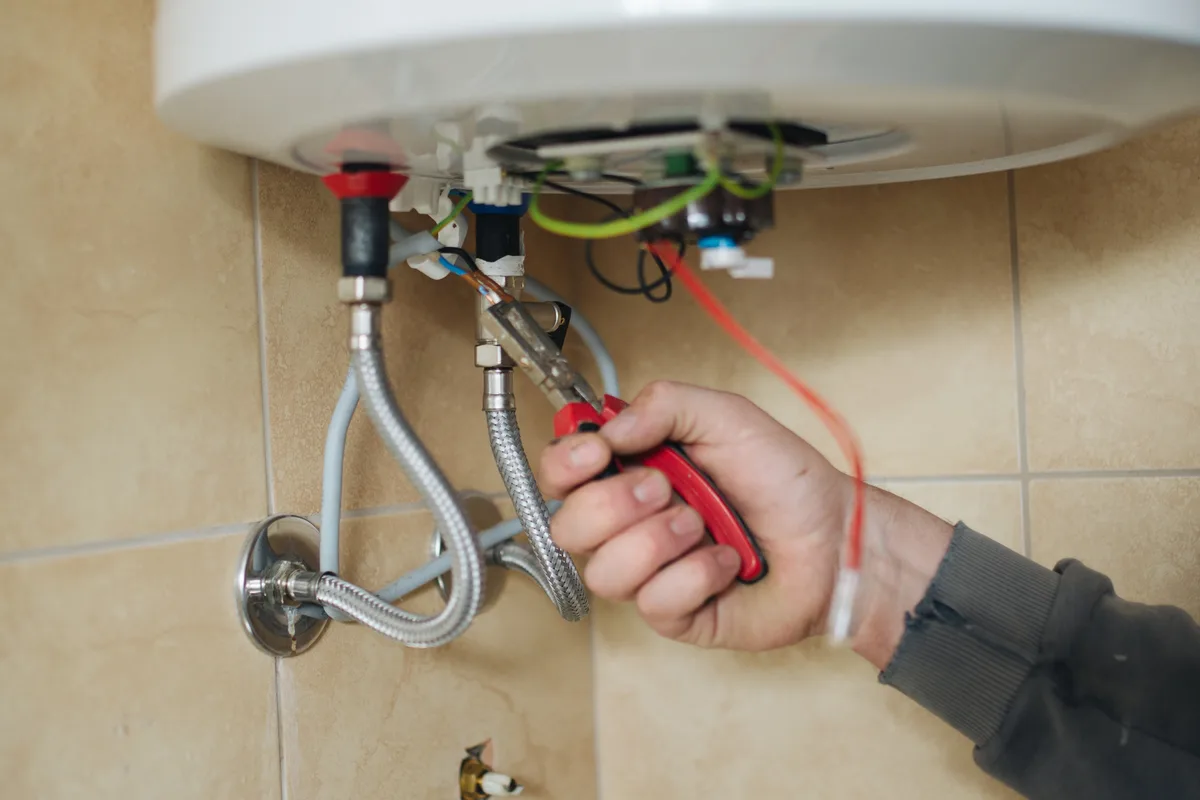
- Plug and water — a washing machine, a dishwasher, a water heater, a plumbed water dispenser. Each has an isolation valve behind or beneath it, and locating that valve is most of the work.
- Fixed electrical supply or gas — a freestanding cooker, a built-in oven wired to a cooker control unit, a gas hob. These are trade work rather than resident work.
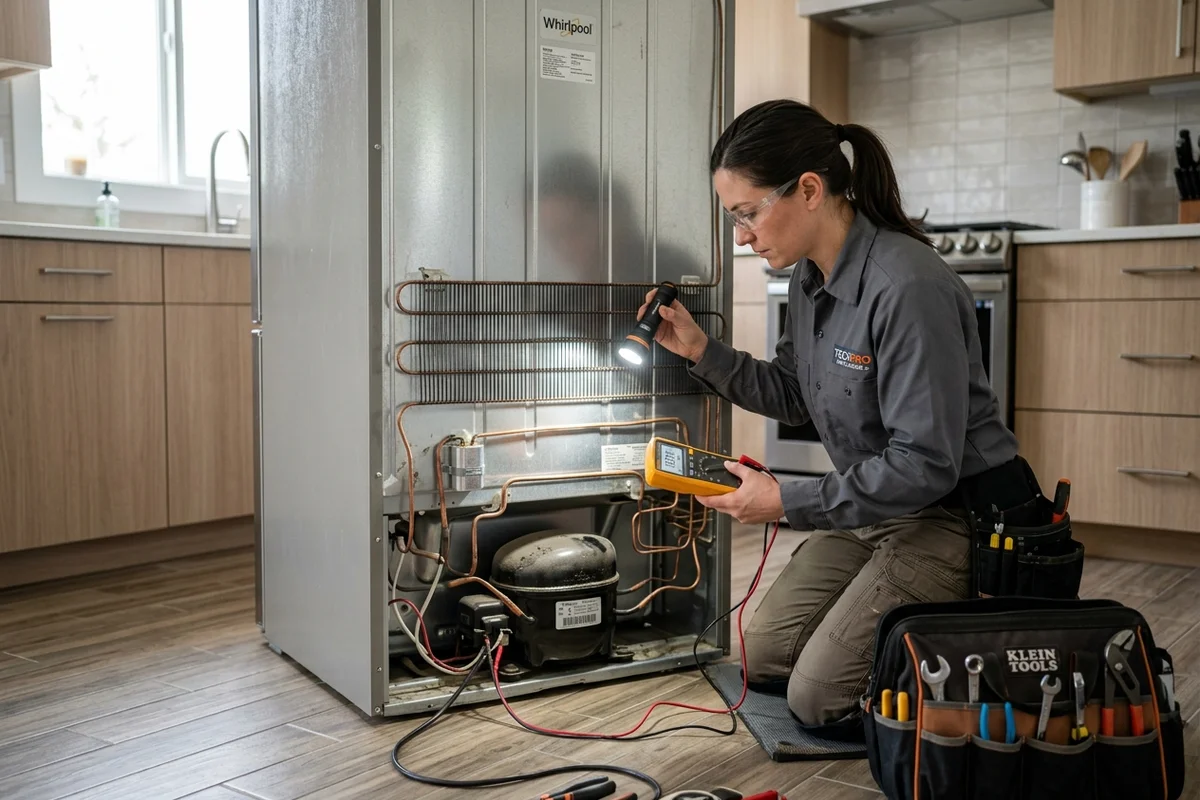
- Sealed refrigerant circuit — a fridge, a freezer, a wine cooler, a split or window air conditioner. The gas has to be recovered by a qualified technician before the machine is cut loose or scrapped.
Grouping this way turns one long undifferentiated list into a same-day pile and three short queues. The first group needs nothing but a date. The other three each need a phone call before that date is worth setting at all.
Book the disconnections before you book the collection
The collection is the easy appointment to get. The technician is not, and the technician is the one who decides when the fridge and the cooker are actually free to move. Work backwards from that rather than forwards from the day you would like the house emptied.
- Arrange refrigerant recovery and any gas disconnection first. They have the longest lead time and the smallest pool of people qualified to carry them out.
- Arrange the plumbed disconnections next, or confirm you can do them yourself once you have found the isolation valve and tested that it turns.
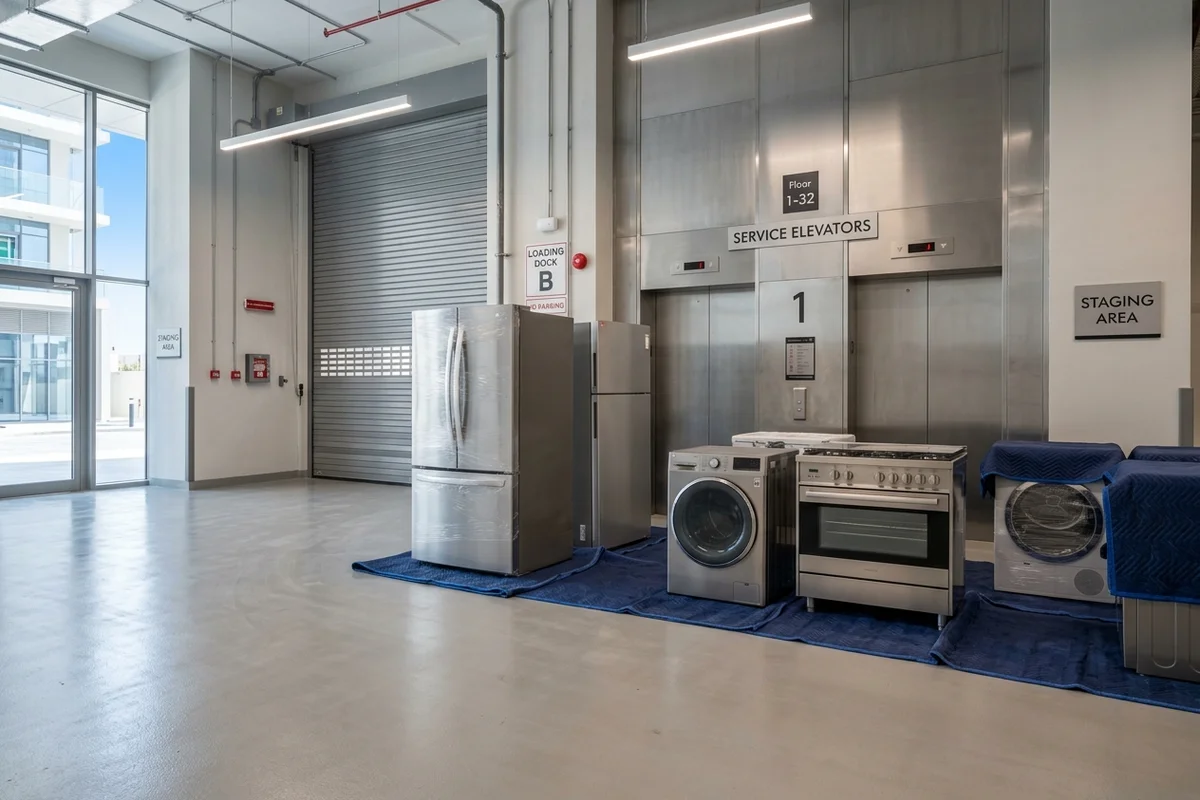
- Request building approval and the service lift slot once you know which day every machine will be standing loose.
- Book the collection last, for a window after the final disconnection is done.
A crew arriving to find a fridge still gassed and a cooker still on its gas point is a wasted visit for everyone, and it usually costs a second one. Confirming the disconnection status of each machine the day before is a two-minute call that prevents it.
Settle where each machine is going while it is still connected
Decide the destination before the machine is unplugged, because disconnection is the moment you lose the ability to demonstrate that it works. An appliance that can be switched on in front of a buyer or a charity assessor is a different proposition from the same appliance standing in a hallway with its cable taped to the back.
- Works, and you can show it working — resale, donation and retailer trade-in are all genuinely open.
- Faulty but complete — a repair workshop or a parts buyer may be interested; a charity almost certainly will not be.
- Stripped, leaking or unsafe — recycling is the honest answer, and it should not be offered on as working.
Set a cut-off for the first two groups. If the buyer or the charity has not collected by the day the crew is booked, that machine joins the recycling list instead of holding up everything behind it. Deciding between those routes in the first place is a judgement with its own trade-offs, and it is covered in more depth elsewhere on this site.
Two things you cannot see from the outside
Accounts and stored data
Anything with a screen or an account is a data item, not only the obvious computers. A television holds streaming logins, a smart washing machine or oven holds the home Wi-Fi credentials it was joined with, and a robot vacuum holds a map of the floor plan. Sign out and reset each one while it still powers on, since a machine that has been disconnected for a week and then fails to start cannot be cleared afterwards. The detailed sanitisation steps for computers and storage drives are covered separately.
Refrigerant inside a sealed circuit
Cooling equipment holds its gas in a closed circuit under pressure, and that gas has to be recovered rather than released. This is the item on the checklist that a resident cannot complete alone, and it is not something to let an informal collector do with a pipe cutter in a car park. The rules and the reasoning behind them have their own guide; for the checklist, the only entry that matters is the name of who is doing it and the date they are coming.
Check which appliances are actually yours to remove
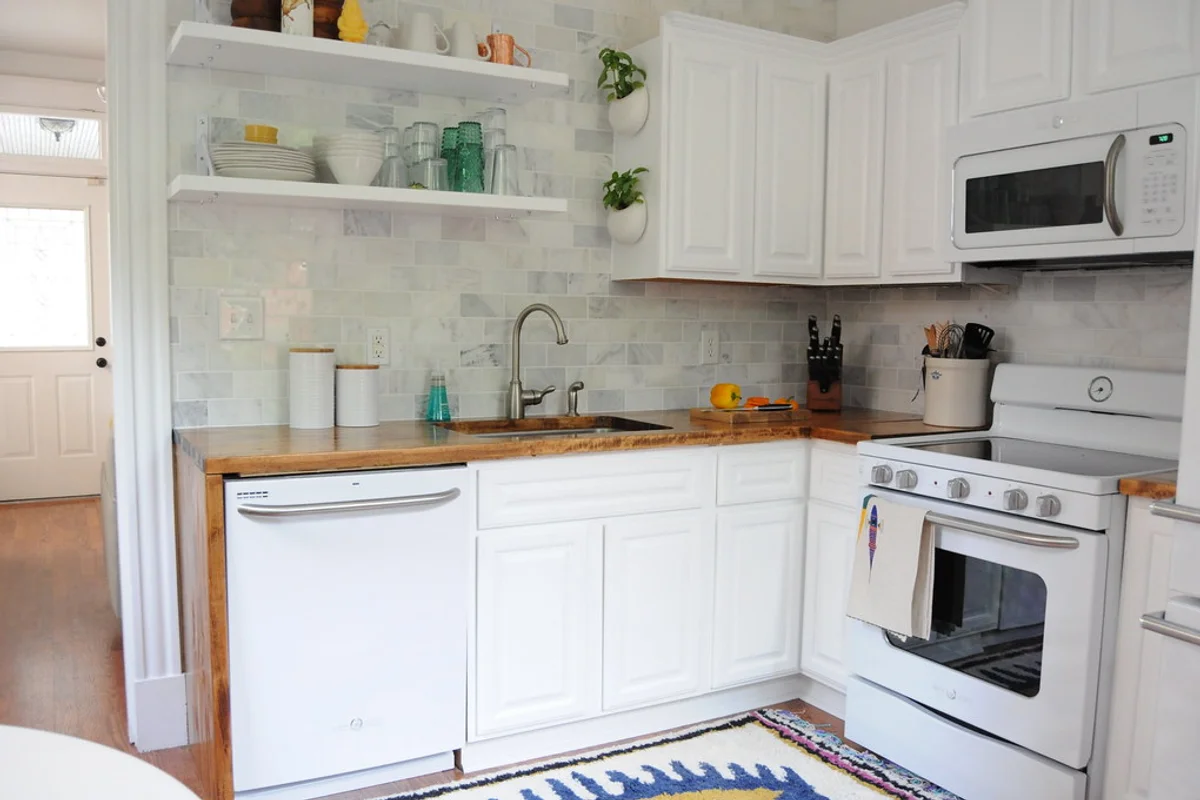
Built-in equipment is where this goes wrong. A fitted oven, a hob, an extractor hood, a water heater and a wall-mounted air conditioner were frequently supplied with the property rather than bought by the occupant, and in a furnished or partly fitted let they usually appear on the handover inventory. The practical test is simple: did it arrive with the home, or did you buy it and have it installed?
Spend five minutes with the tenancy contract and the handover paperwork before the list is final. Removing a landlord's fitted appliance and sending it for recycling is not a problem you can fix on collection day, and air conditioning in particular has its own well-worn version of this question.
What to send when you ask for a price
Most quoting delays come from a list that describes the job as “some old appliances”. Five details per machine turn an estimate into a price.
- The machine by name and type: front-load washing machine, chest freezer, built-in oven, 55-inch television.
- Its condition in plain words: working, not powering on, drum failed, door glass cracked.
- Whether it is already disconnected, or still plugged, plumbed or gassed.
- Where it sits: which floor, whether there is a service lift, whether it is in a store room, on a balcony or up an internal villa staircase.
- One wide photo of each room, plus a closer photo of anything built in.
Photographs do more here than descriptions. A picture of a fridge wedged into a cabinet recess tells a crew more about the extraction than any sentence you could write about it.
What stays behind after the machine leaves
Furniture leaves marks on a wall. An appliance leaves a live service, and that is a different kind of loose end. Add a line to the checklist for each connection point so it is dealt with on the same day rather than found later.
- An open water feed where a washing machine or dishwasher stood — capped, not merely turned off.
- A gas point where a cooker was, closed off by whoever disconnected it.
- A live socket or a hard-wired connection at the back of a cabinet or under a counter.
- A hole through the external wall where a window unit or a dryer vent passed through.
- An empty cabinet aperture, worth measuring while it is open if a replacement machine is going into it.
None of these takes long, and all of them are easier to resolve in an empty kitchen on the day than during a handover inspection two weeks later.
The list is what makes the rest of it manageable. Ten or twelve machines, each with a connection type, a destination and a disconnection date against it, takes half an hour to build and settles the two questions that otherwise drag a clear-out out for weeks: what has to happen first, and who has to do it.