Somewhere in most long-term Dubai households is one piece of furniture nobody quite wants to just get rid of. It might have come from a grandparent, been bought secondhand years ago, or simply be older than everything else in the flat. Before it goes out with the rest of a clear-out, this guide covers how to tell whether it is genuinely worth getting checked, who actually does that checking, and what to do next either way.
A furniture removal crew is not who tells you what it is worth
This needs saying plainly, because it is easy to assume otherwise: a crew booked to collect furniture is assessing it for removal, not for value. Their job is weight, access and where it goes next. Whether a piece is genuinely old, rare or made by someone whose work is sought after is a completely different judgement, made by people who buy, sell and study furniture for a living.
That is not a gap in the service, it is a different profession. Asking a removal booking to double as a valuation is like asking a courier to authenticate what is in the parcel. If a piece might be worth something, that question has to be answered before a general collection is arranged, not during one.
Old and antique are not the same thing
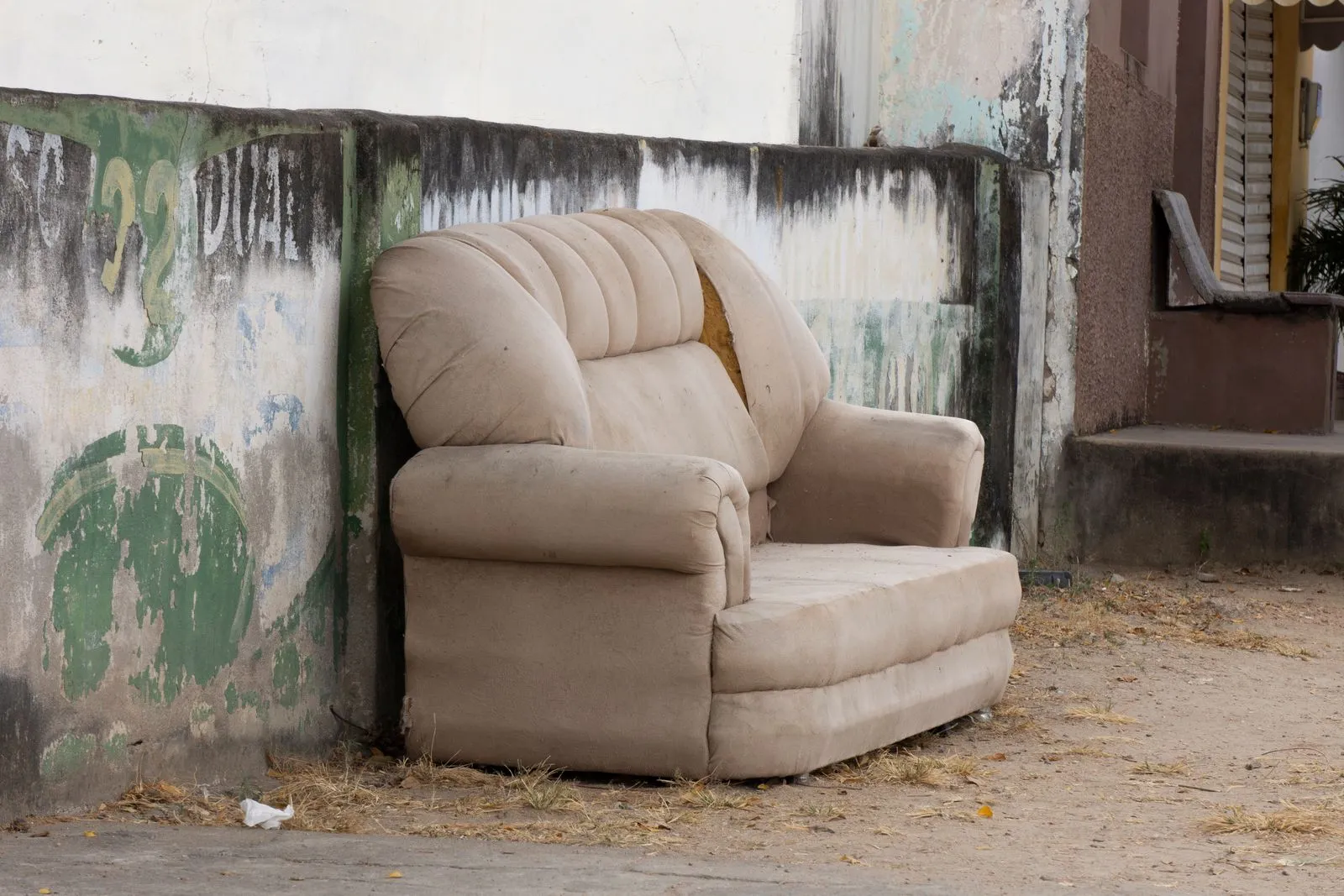
Most furniture that looks old is simply furniture that has aged. A great deal of what filled homes across the last few decades, including plenty from the 1970s through the 1990s, was produced in volume from veneered board rather than built by hand, and volume production does not become valuable just because enough time has passed.
Many people use roughly a hundred years as a rough dividing line between antique and merely vintage, though the word gets used loosely in everyday conversation. Either way, the honest starting point is that age on its own tells you almost nothing. What actually matters is how the piece was made, out of what, and by whom.
What actually points to value
None of the checks below prove a piece is valuable on their own. Together, several of them pointing the same way is what makes an item worth a proper look rather than a general collection.
- Solid timber rather than veneer over particleboard. Check an unfinished edge, the back panel or a drawer bottom, where the material is easiest to see honestly.
- Joinery that is slightly irregular rather than perfectly uniform. Hand-cut dovetails vary a little from one to the next; machine-cut joints in a modern reproduction are identical.
- A maker's mark, stamp, label or handwritten inscription somewhere out of sight, most often on the underside, the back, or inside a drawer.
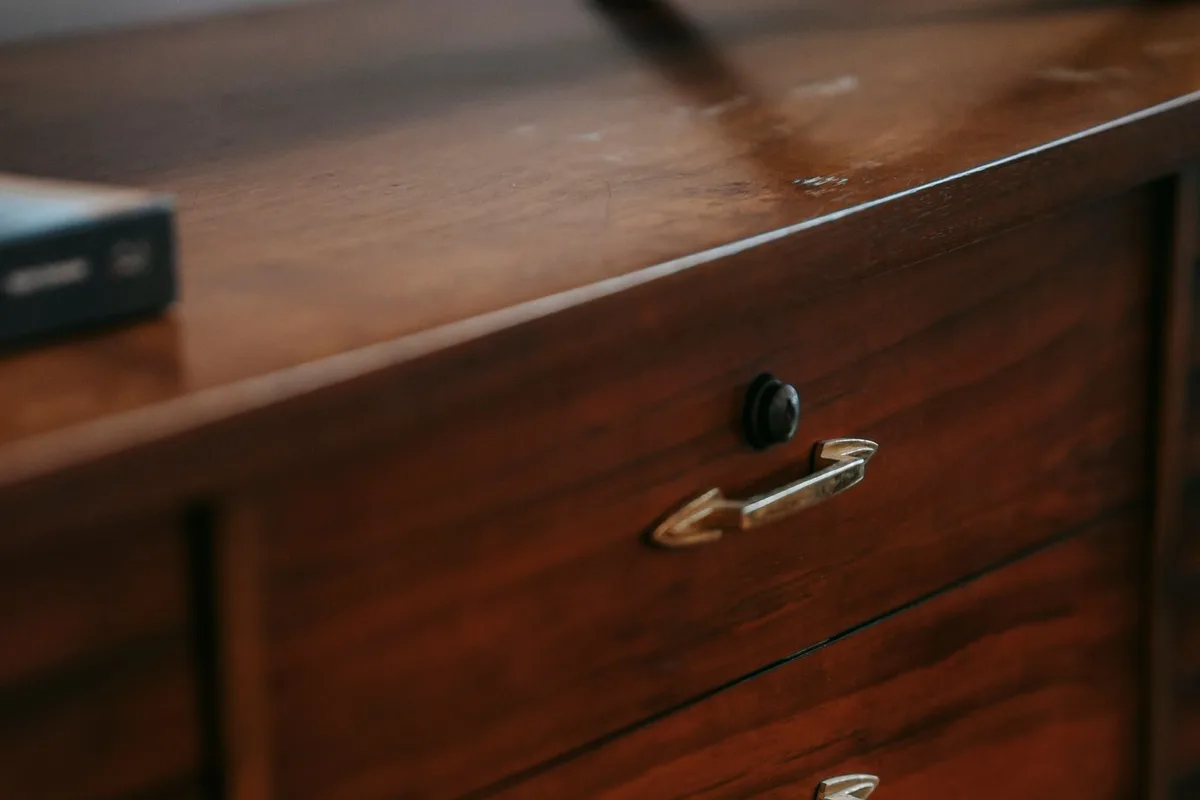
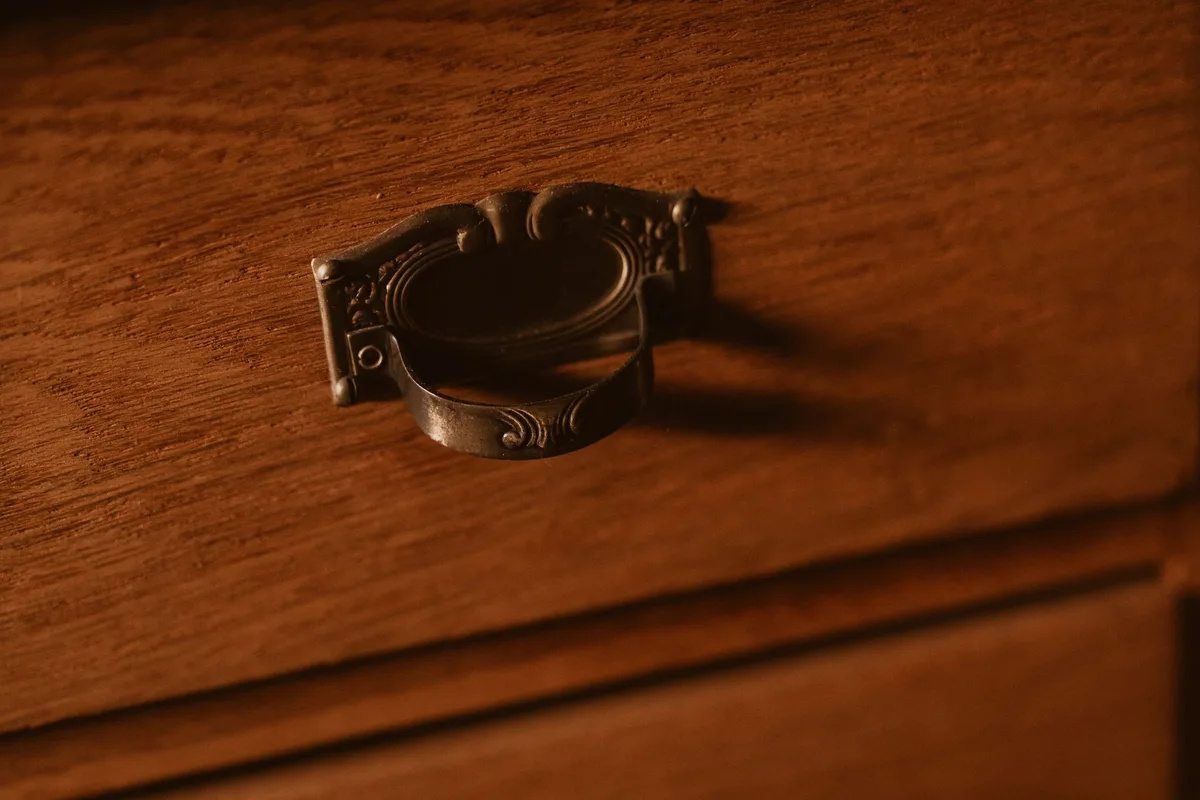
- Hardware that looks consistent with the rest of the piece's apparent age. Handles or hinges that are obviously newer than the timber around them are usually a later replacement, not a value signal.
- Wear that looks earned rather than applied. Genuine age shows as uneven fading, softened edges and marks in places a piece is actually touched; artificially distressed reproductions tend to look uniformly beaten up everywhere at once.
A family story attached to a piece is worth noting but is not, by itself, a value signal. Knowing where a piece came from can matter a great deal once it has already passed the checks above; it does not create value in a piece that fails them.
Who actually values antiques in Dubai
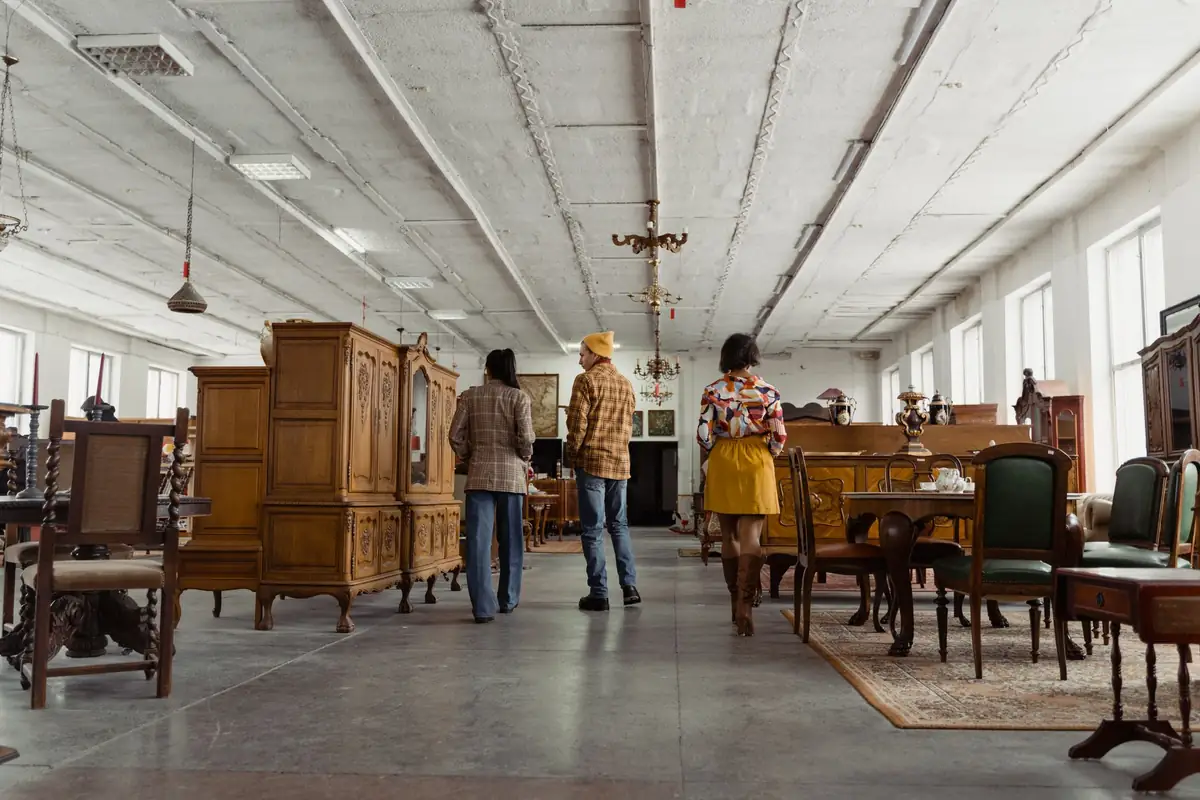
Independent antique dealers and auction houses are the people equipped to assess a piece properly. Some will look at clear photographs for an initial opinion before asking to see anything in person; others need the piece in front of them, particularly for anything where condition and construction detail matter to the answer.
This is a specialist service and a different transaction from a furniture collection quote. If photographs are the first step, send a shot of the whole piece, a close-up of any maker's mark or joinery detail, and honest photographs of damage rather than the most flattering angle. A dealer with a genuine interest in buying the piece will often look at photographs at no cost, since their return comes from the purchase rather than the assessment.
Is a formal appraisal worth paying for
For most everyday old furniture, a paid, formal appraisal costs more than the piece would realistically fetch, which makes it the wrong first step for anything that has not already shown two or three of the value markers above. Reserve a paid appraisal for a piece that has genuinely cleared that bar, or for something you already suspect is significant, such as a documented family piece with a known history.
For everything else, an informal opinion from a dealer, formed from photographs, is usually enough to answer the real question: is this worth pursuing further, or is it simply an old piece of furniture. That answer costs nothing and takes far less time than most people assume.
Once you know, the rest is an ordinary disposal decision
If a piece turns out to be genuinely valuable, selling through a dealer or an auction house is a different route from listing it on a general secondhand marketplace, and it is worth pursuing before anything is booked for general collection. That route has its own timeline and its own way of handling handover, which a dealer will explain directly.
For the far more common outcome, where a piece does not clear the checks above, it becomes an ordinary furniture disposal decision like any other: sell it, give it away, donate it, or arrange a collection. Weighing those options against each other is a decision worth its own attention, and it is covered in full elsewhere on this site rather than repeated here.
The check itself takes an hour at most: look at the material, the joinery, the hardware and the wear, and photograph anything that stands out before deciding what happens next. Do that before a general collection is booked rather than after, because once a piece has gone, the question of what it might have been worth goes with it.