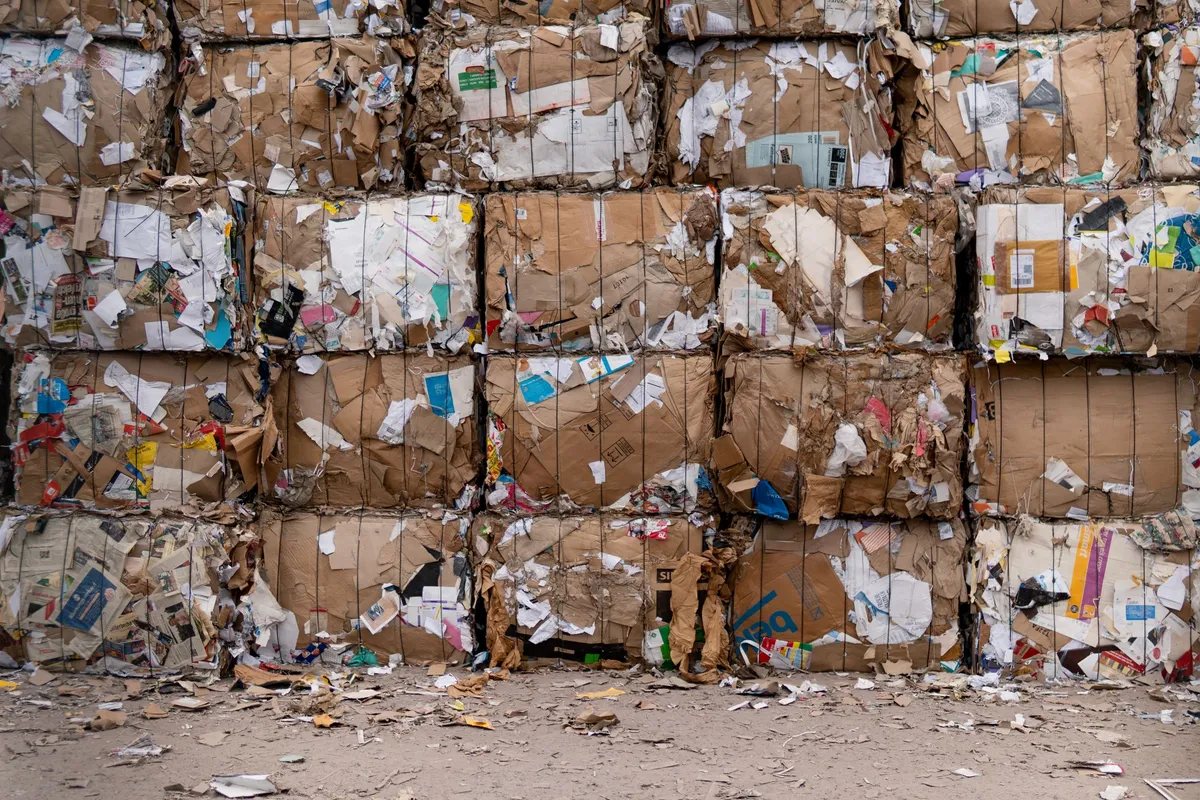
Junk removal is a service that sends a crew and a vehicle to your address to carry unwanted items out of a property by hand and take them away in a single visit. You point at what is going, and someone else lifts it, loads it and deals with it afterwards. That is the entire definition. Most of the confusion around the term comes from the four other services it gets mistaken for, and from the fact that people expect it to do more than it does.
The three features that define it
Strip away the marketing and a junk removal service is identifiable by three features. Anything missing one of them is a different service wearing the same name. For what the service looks like at full scale, read full house junk removal in Dubai.
- The labour is included. The crew does the carrying, which is what separates it from every service that supplies only a container or only a vehicle.
- Nothing is left behind. There is no skip on the driveway afterwards and no second visit to collect one — the items and the vehicle leave together.
- You are charged for what leaves, not for how long it takes. The price follows the volume and type of what goes into the vehicle rather than the hours worked.
The third point is the least intuitive and the most useful. It means a slow job in a difficult building does not quietly become a more expensive one halfway through the morning.
What counts as junk
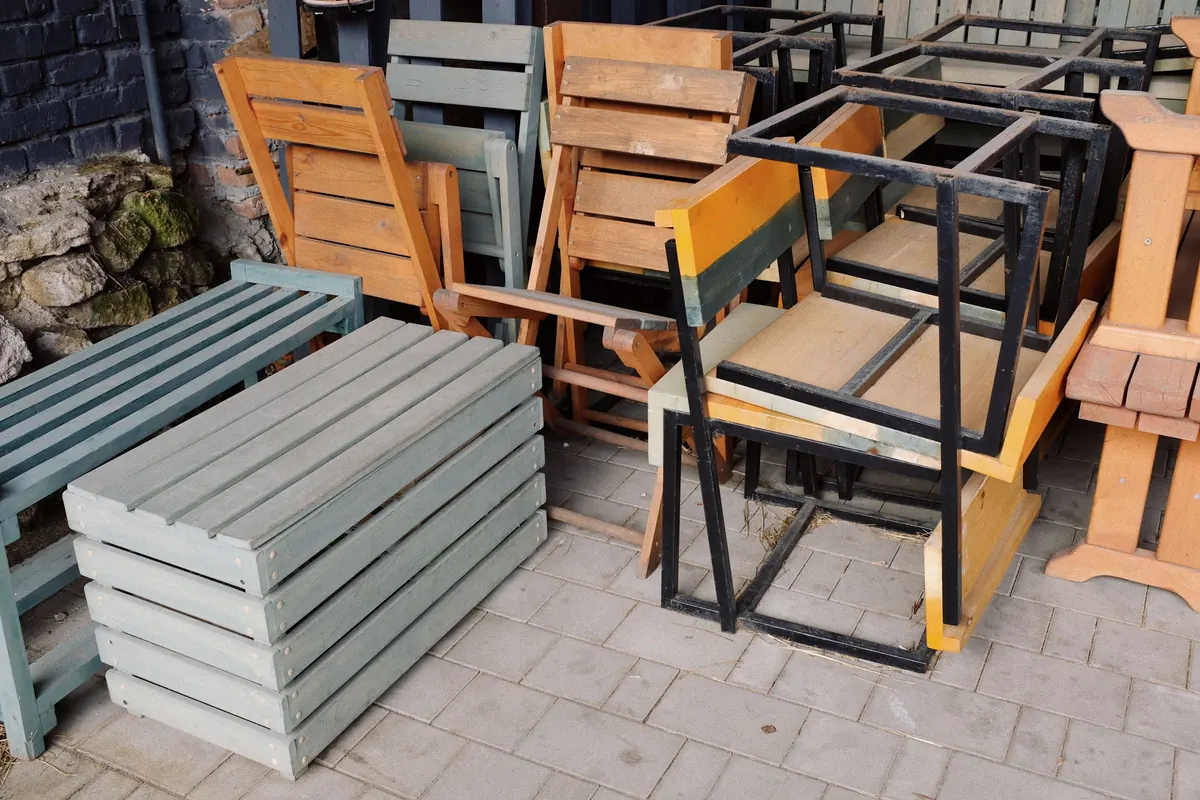
Junk in this context means household or office items that are unwanted rather than dirty — furniture, appliances, electronics, mattresses, terrace and garden items, and the accumulated contents of a storeroom. Most of it still works. Almost none of it fits in a bin.
That is the practical line, and it is a useful one to apply before you call anybody. If something can go down a rubbish chute or into the bins outside your building, it is waste and your building already deals with it. If it needs two people and a vehicle, it is junk, and somebody has to be asked to come and get it.
What junk removal is not
Four services sit close enough to be confused with it, and each one differs on a single clear point.
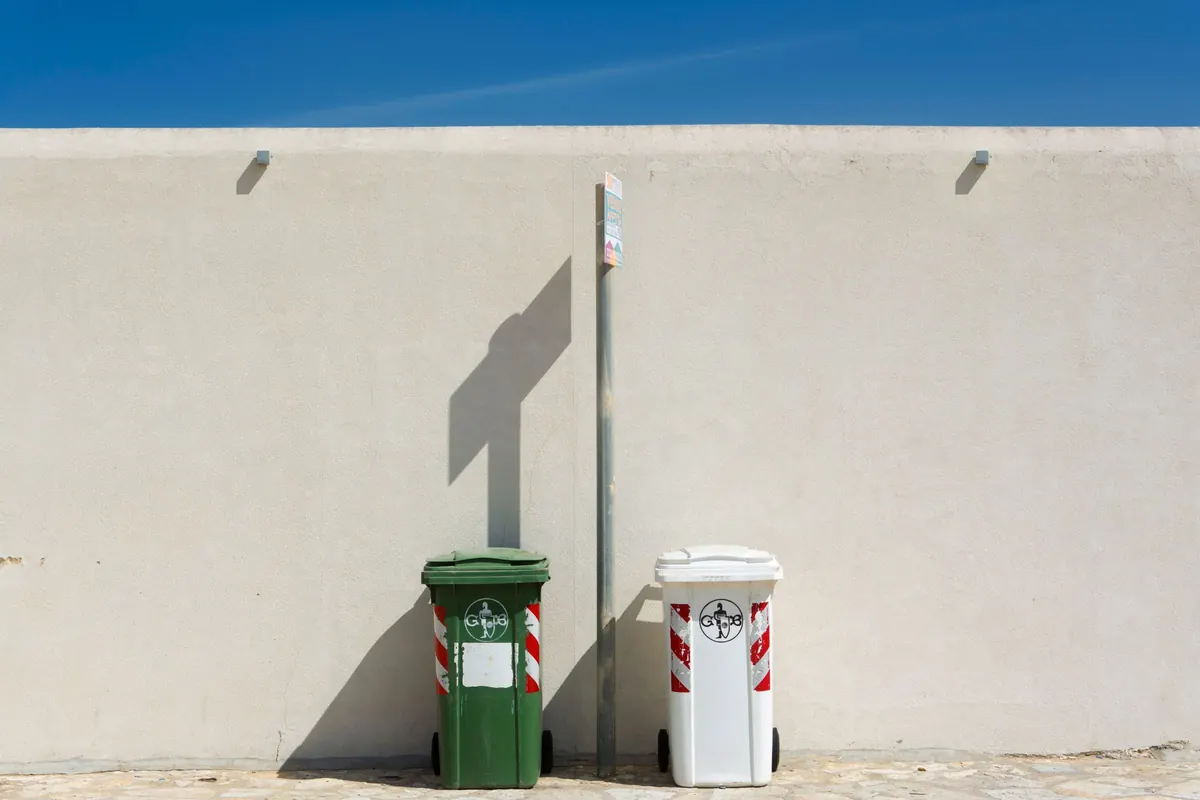
- Waste collection is the routine, scheduled emptying of bins that serves every building. Junk removal is booked once, for items that were never going to fit in a bin.
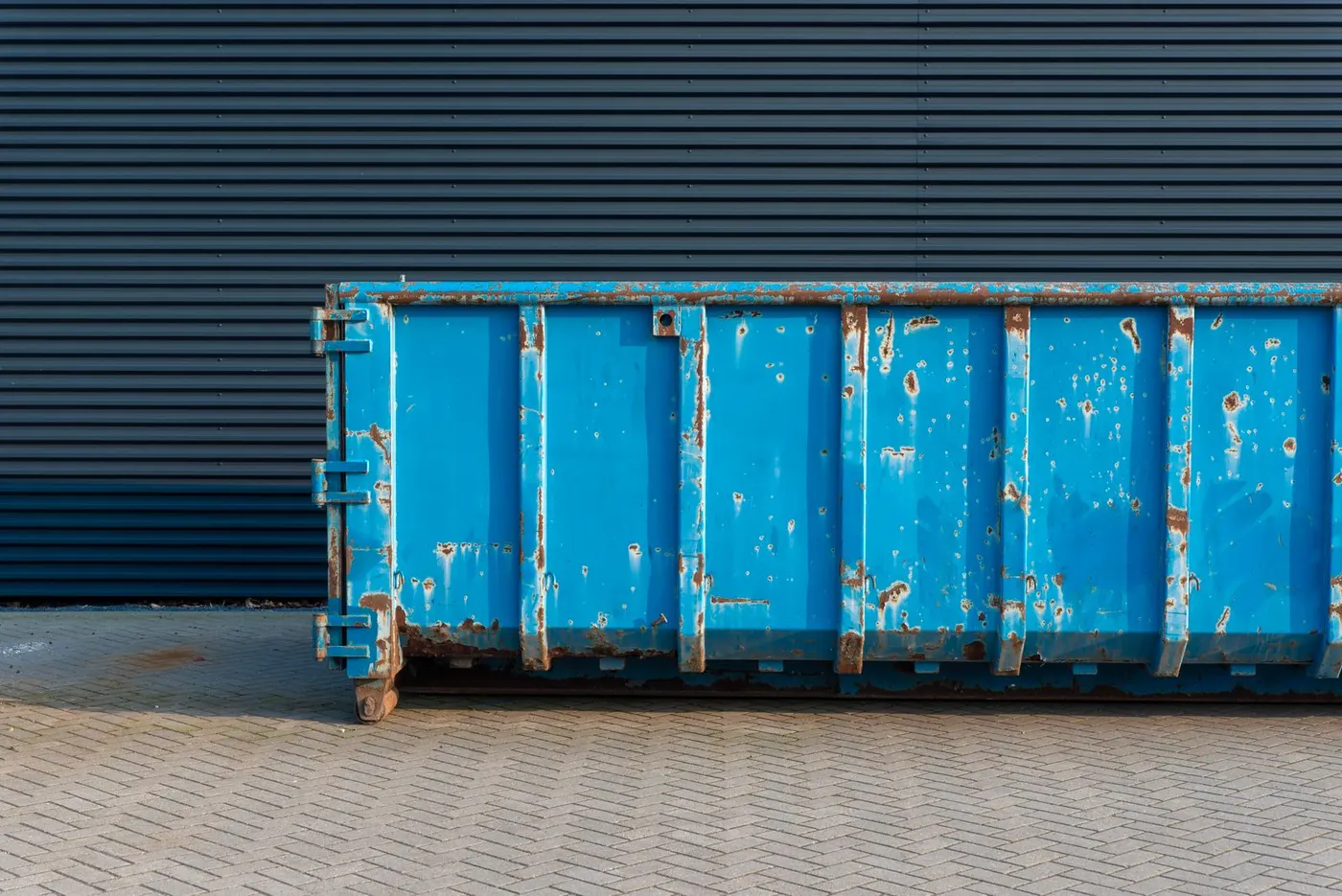
- Skip hire supplies a container and leaves. You fill it yourself, so the loading — the part that takes the day — stays with you.
- A moving company takes your belongings to a new address. A junk removal company takes them out of your life. The difference is the destination, not the lifting.
- A cleaning service leaves a property clean but full. A collection leaves it empty but unclean, which is why the two are often booked in that order.
It is also not a valuation service. A crew carrying out a wardrobe is not assessing what it is worth, so anything you suspect has value is better sold or set aside before the booking than judged in a hallway with three people waiting.
When people actually book it
Nearly every collection traces back to a small number of moments, and recognising yours is the quickest way to tell whether this is the service you need.
- A move — either the clear-out before packing starts, or the leftovers after the van has gone.
- A single item that has finally failed, such as a sofa, a mattress or a fridge, and cannot be carried out by one person.
- A room being reclaimed: a storeroom, a maid's room, a garage or a terrace that has quietly turned into storage.
- A property being handed back, where everything not belonging to the landlord has to be gone by a fixed date.
- A landlord or property manager turning a unit around between tenants.
The common thread is that the items are already unwanted and the remaining obstacle is entirely physical. Junk removal solves a lifting-and-transport problem, not a decision-making one — the deciding still belongs to you.
Where the service ends
The honest limits are worth knowing before you book, because they are the reason a collection occasionally cannot go ahead as arranged.
- Hazardous material such as paint, chemicals, fuel and gas cylinders travels on its own route and does not belong in a general household load.
- Construction and demolition waste from building work is a different trade, with different vehicles and different destinations.
- Anything needing lifting equipment, or that cannot physically come down a stair or into a lift, is specialist work rather than a collection.
- Items that require certified destruction or specialist processing go to operators set up for exactly that, not to a general crew.
None of these are refusals dressed up as rules. They are simply different jobs, and a company that says so before the day is being straight with you rather than turning work away for the sake of it.
Junk removal is a narrow service with a clear shape: unwanted items, carried out by other people, gone in one visit. Its usefulness comes from that narrowness — it does not pack, clean, value or store anything, and knowing that is what keeps it from being booked for the wrong job. If what you have is a pile of things you have already decided against, and the only problem left is that they are heavy and you have no vehicle, this is the service that solves it.