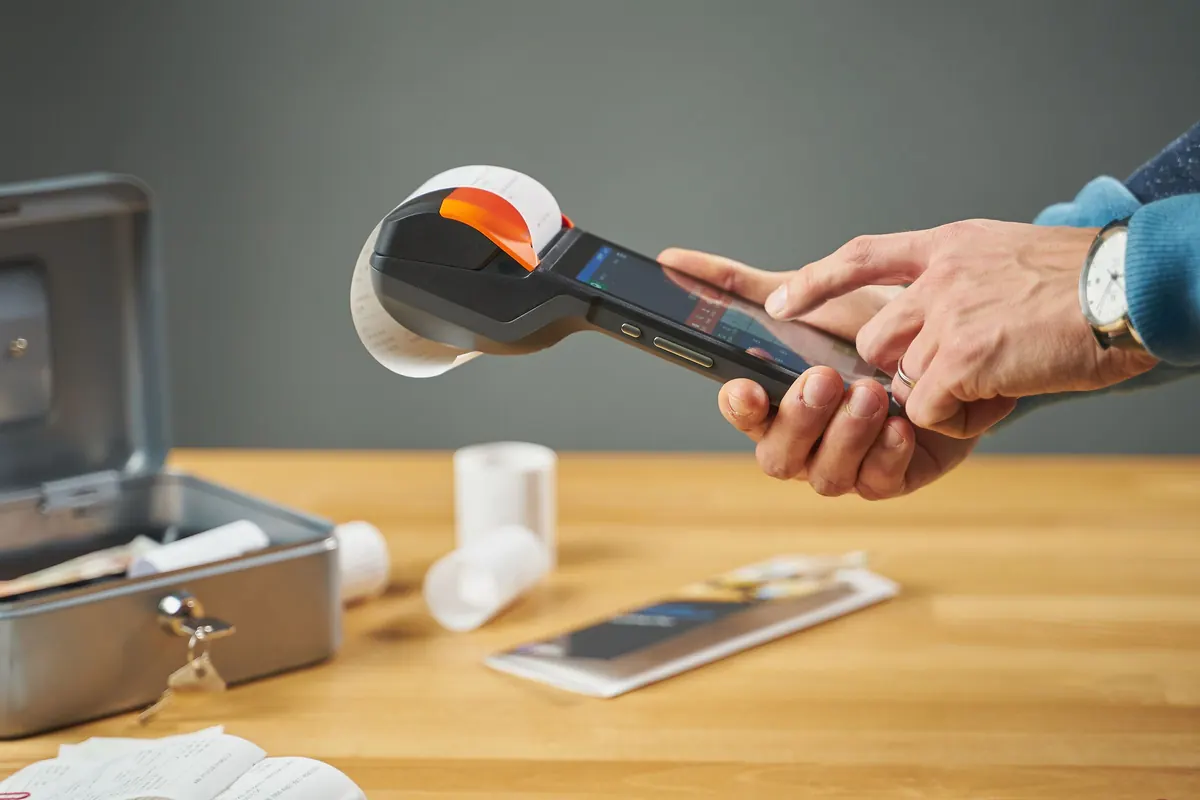
Junk removal in Dubai is almost always paid for at the end of the job rather than up front, and the payment methods on offer usually come down to three: cash, a card reader the crew carries, or a bank transfer. What causes confusion is rarely which of those exists — it is that nobody thinks to agree on one until the crew is already standing in the hallway with the load on the truck. Here is how payment normally runs, and the small amount of it worth settling before the day.
When you actually pay
You pay when the work is finished, not when you book. The normal sequence is that the crew arrives, confirms the load matches what was described, does the job, and takes payment once everything is on the vehicle and the space is clear. That order exists for a practical reason: it lets you check that what you agreed to is what was done before any money changes hands.
Being asked for the full amount before any work starts is unusual for a residential collection, and it is worth asking why rather than assuming it is standard. Larger jobs booked well in advance sometimes work differently, and that is a fair conversation to have at booking rather than at the door.
Which payment methods junk removal companies in Dubai accept
Most residential collections are settled by cash, by card, or by bank transfer. Which of the three you can actually use depends on the individual operator rather than on any general rule, and the size of the company is a poor guide to it.
- Cash — the most widely accepted, works with any crew, and needs nothing arranged beforehand. The catch is having a sensible amount on the day, because a crew is not carrying a float for large change.
- Card — available when the crew carries a portable reader. Plenty of operators do and plenty do not, so this is the one worth confirming rather than assuming.
- Bank or app transfer — the usual choice when the person paying is not standing in the property, and the one that leaves the clearest record without needing anything printed.
Settle the method when you book, not at the door
The last five minutes of a collection is the worst possible moment to find out that the crew cannot take a card. The work is done, the vehicle is loaded and blocking something, and you are now solving a problem with three people waiting. Ask which methods are accepted in the same message where you agree the price, and the whole subject disappears.
It is a single question — "how do you want to be paid, and when?" — and it takes one line of a WhatsApp thread. That thread then doubles as the record of what was agreed, which is useful for reasons that have nothing to do with distrust.
What to get in writing
Ask for a receipt for whatever you pay, in whatever form the operator issues one — a printed slip, a photographed invoice or a written confirmation in the same thread all count. A useful receipt shows four things.
- The business name, matching the name you booked with.
- The date of the collection and the address it was carried out at.
- The amount paid and the method it was paid by.
- What the payment covers, described at least as specifically as the collection and disposal of the items that actually left.
Keep it, because the situations where it matters tend to arrive later: a landlord or building manager asking for evidence that a clearance genuinely happened, an employer reimbursing a relocation cost, or a second visit where the first job's scope becomes the reference point.
Paying when you are not the one at the property
This comes up constantly in Dubai — an owner living abroad, a tenant who has already left the country, or a family member handling a clearance on someone else's behalf. Payment is usually the easiest part of that arrangement to get right, provided it is agreed in advance rather than improvised on the day.

- Transfer once the work is done, with whoever is on site confirming the property is clear first. This keeps the normal pay-at-the-end sequence intact even though you are not there.
- Cash paid on your behalf by the person on site, with the amount agreed in writing beforehand so that they are not left negotiating a figure for you.
- Payment after the visit against a receipt and photos, which some operators will do for a managed property or a repeat customer, but which is not something to assume on a first booking.
If the amount changes on the day
A quoted figure can legitimately change when what is actually there turns out to be more than was described — an extra room, a second wardrobe, an item that needs dismantling. The rule that matters for payment is about timing rather than fairness: a revised figure gets agreed before the work carries on, not presented once the truck is loaded.
If a crew flags that the job is bigger than described, stop there, agree the new number, and put it in the same thread as the original. A price settled while the last few items are going onto the vehicle is a price settled from a weak position, and it is entirely avoidable by pausing for two minutes.
Company and landlord payments
If the payment needs to come from a company rather than an individual, say so when you book. Ask whether an invoice can be issued to the business, and what details are needed for it — the registered company name and address are the usual ones. If you need a tax invoice to support a claim, request it at booking rather than afterwards, because reissuing paperwork after a job has been paid for is harder than getting it right the first time.
Payment is the least complicated part of a junk removal booking, and it stays that way as long as one question gets asked early: how do you want to be paid, and when. Agree that alongside the price, keep whatever record the payment produces, and the end of the job becomes what it should be — the crew leaves, the space is clear, and there is nothing outstanding to sort out.