A garden shed is the only part of a villa where the storage itself can leave on the truck. A garage, a storeroom or a maid's room stays behind once it has been emptied, but a shed is a structure, and once the contents are gone there is a good chance you want the building gone too. This guide covers what actually comes out of a Dubai garden store, which of it can't travel in a general load, and how the shed itself is handled.
Emptying a shed and removing one are two different jobs
Emptying is an ordinary collection: the contents come out and the structure stays. Removal means the shed is dismantled and taken away as well, leaving bare ground. Decide which one you want before asking for a quote, because they are priced and staffed differently. Either way it is booked through garden waste removal in Dubai with a photo of the shed and its contents.
Plenty of residents ask for the first and end up wanting the second, once the shed is empty and the state of it is visible. It is worth mentioning at the booking stage that removal is a possibility, so the crew turns up with tools rather than having to come back.
What actually comes out of a Dubai garden store
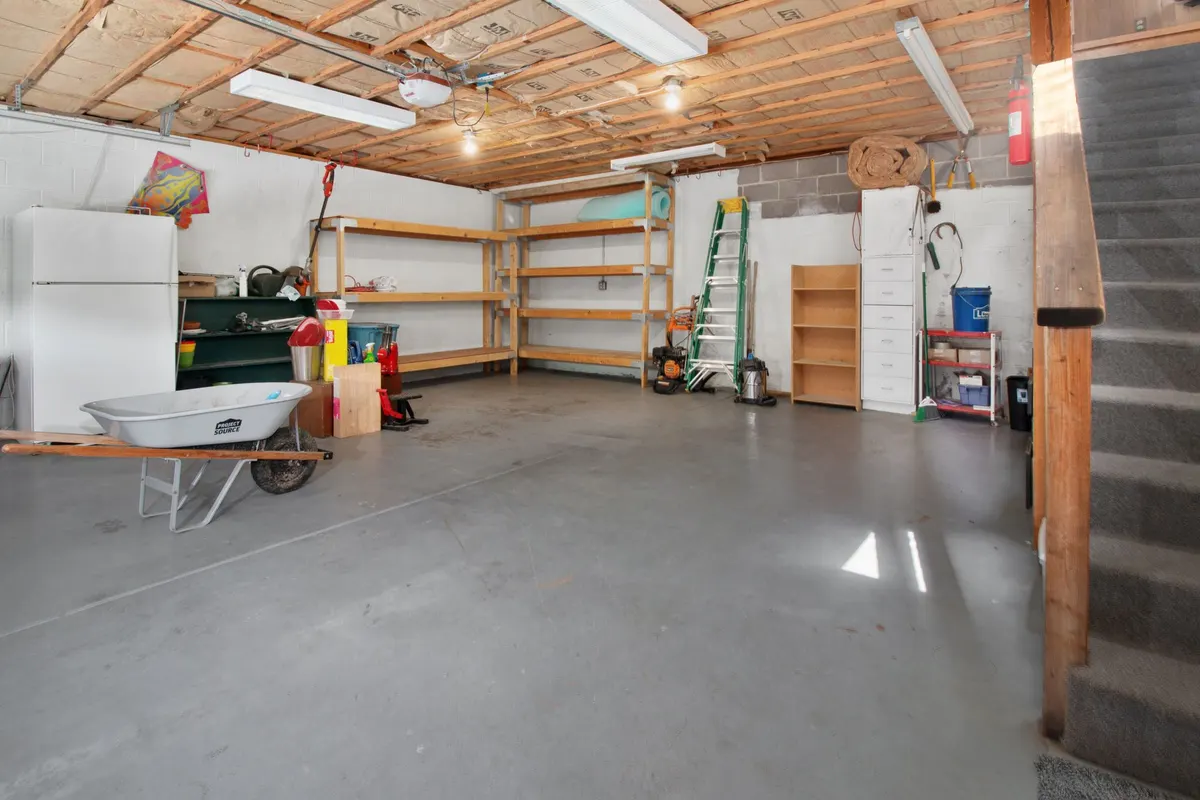
Outdoor stores here fill with a fairly predictable mix, because they absorb everything used seasonally and everything the house has no room for.
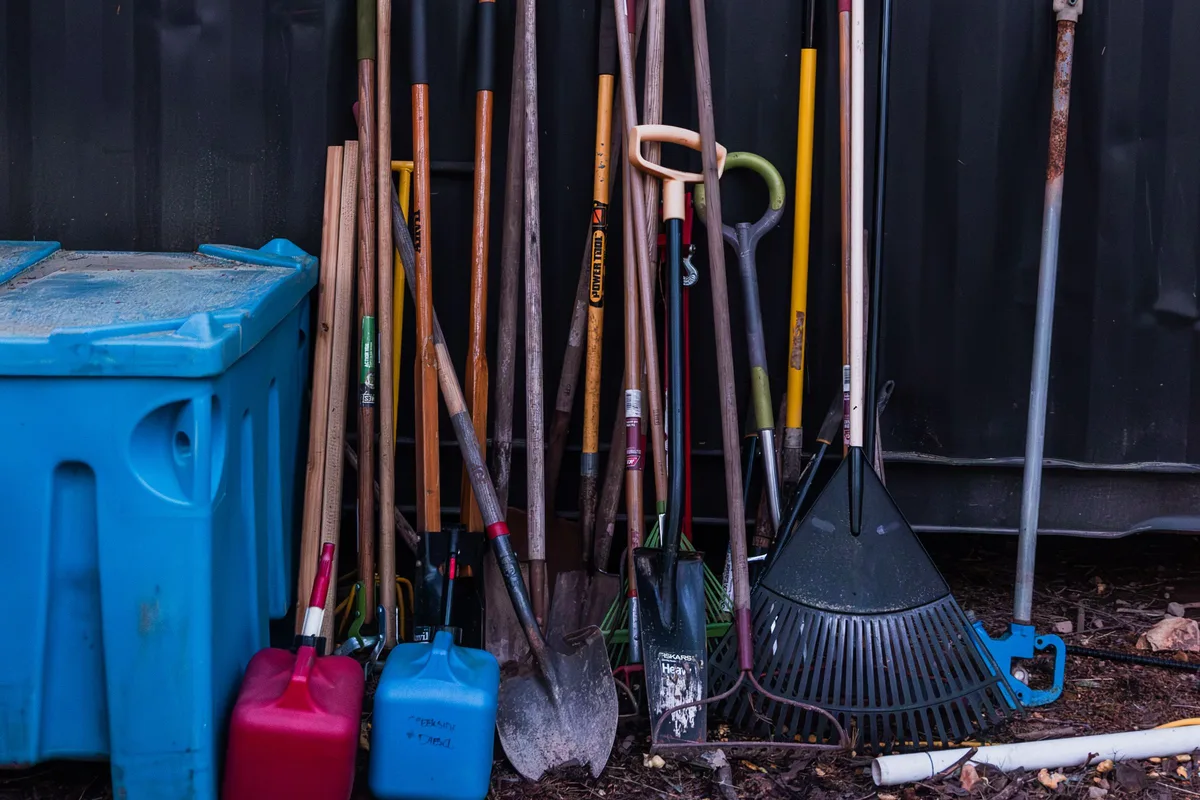
- Garden tools — rakes, spades, shears, and a strimmer that stopped starting.
- Hoses, sprinklers and lengths of irrigation pipe left over after a system was changed.
- Pool equipment: a pump, a net on a snapped pole, part-used chemical tubs.
- Opened bags of soil, gravel, compost and fertiliser, usually set solid.
- A barbecue and its gas cylinder, with a bag of charcoal from two winters ago.
- Outdoor furniture and cushions brought in off the terrace and never taken back out.
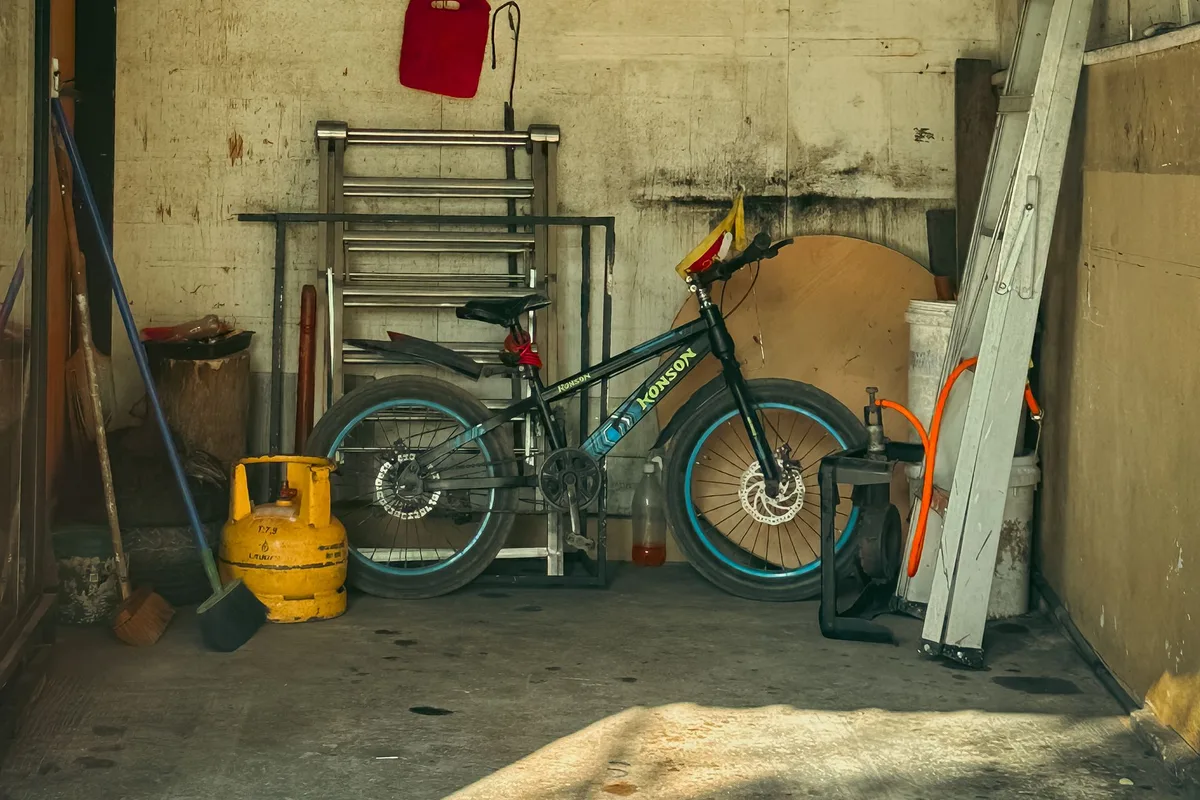
- Bikes, scooters and outdoor toys the children have grown out of.
- Offcuts of artificial grass, spare paving slabs and leftover tiles from a landscaping job.
- Paint, sealant and pest spray left behind by whoever last worked outside.
What eight months with the door shut does
Most of what comes out of an outdoor store is past keeping, and not only because of the heat. A garden store gets opened in the cool months and left alone for the rest of the year, so whatever went in around March is found again in November.
- Opened bags of soil, compost and cement compact into solid blocks that weigh far more than they look.
- Plastic handles, hose fittings and toy frames go brittle and tend to snap while being carried rather than while stored.
- Fine dust works in through every gap, so items are bagged or wiped before they cross an indoor floor.
- Metal tools seize at the joints, and hinges and padlocks often have to be cut rather than opened.
- Insects, and usually a gecko or two, will have made use of a store nobody has opened since spring. Worth expecting rather than being startled by.
The practical consequence is that sorting a shed in advance is less useful than sorting a bedroom. Most of what is in there gets decided in about five seconds once it is out in daylight, so the time is better spent flagging the few items that need their own arrangement.
The items that need their own route
A garden store produces an unusually high concentration of these, and they don't travel in a general household load. Naming them when you book is all that's needed — none of them stops the collection going ahead.
- Pool chemicals — chlorine, acid and shock treatments, opened or sealed.
- Fertiliser, weedkiller and pest sprays.
- Petrol or diesel for a mower, generator or pressure washer, along with the cans it is kept in.
- Barbecue gas cylinders, whether or not they feel empty.
- Paint, sealant and solvent tins.
- A garden fridge or freezer kept out there, because of the refrigerant inside it.
Put these in one place before the day rather than while a crew waits. It takes a few minutes, and it is the difference between a collection that runs straight through and one that stalls halfway.
Removing the shed itself
A timber, resin or metal shed is dismantled where it stands and taken out in panels rather than lifted away whole. Panels are what make it manageable through a side gate, and a shed that has stood in the sun for years rarely survives being moved in one piece anyway.
- The store is emptied completely first, including anything screwed to the inside walls.
- Fixings are unscrewed where they still turn and cut where they have seized, which outdoor screws here usually have.
- The roof comes off, then the walls, then the floor, so nothing is left standing on its own.
- Panels are carried out flat and loaded, taking far less room on the vehicle than the shed took on the ground.
- The base is dealt with last, and that part depends on what the shed is sitting on.
Loose paving slabs or a timber deck under the shed can normally go with it. A poured concrete pad is a different kind of work: breaking it out is a contractor's job rather than a removal one, and it is usually left in place unless you have arranged that separately. Ask about the base specifically when you get your quote, because it is the part most often assumed one way or the other.
One thing worth settling before the day: some communities and landlords want to be told before a structure on the plot is removed or altered, and the rules differ from one community to the next. A short message to your community management or landlord costs nothing and saves an awkward conversation afterwards.
Getting the load out of a back garden
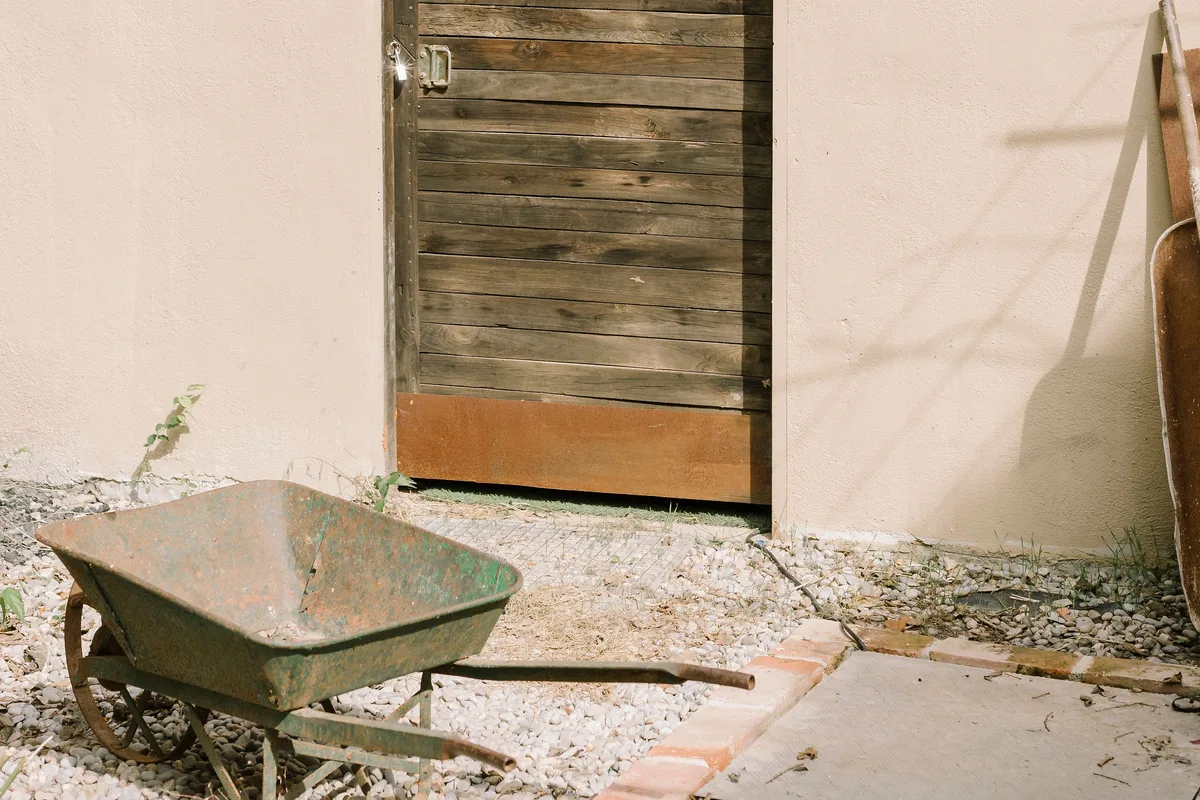
Almost every shed sits at the far end of the plot, which makes the carry longer than for any other part of a villa. A truck can rarely get nearer than the driveway, so everything is walked out by hand.
- The route usually runs through a side gate. Measure its width before booking if the shed is going as panels, because a gate narrower than the panels changes the plan.
- Where there is no side gate, the load comes through the house instead, which means covering floors and a slower job.
- Planting beds, soft ground and irrigation lines along the route are worth pointing out — easy to damage, easy to avoid once flagged.
- Grass and gravel make a trolley useless, so heavy items are carried, and crew size counts for more than it would on a driveway.
How a shed job is quoted
The same things drive it as any collection — how much space the load takes, what is in it, and how far it has to be carried — with two additions particular to sheds. Whether the structure is going changes the labour, and the separately routed items change the disposal side.
Photographs earn their keep here more than almost anywhere else: one of the shed from outside, one of the inside with the door open, and one looking along the route from the shed to the gate. That set answers most of what a company needs before quoting.
A garden store is a small job carrying an unusual number of decisions: whether the shed itself is going, what happens to the base underneath it, and which of the chemicals and cylinders inside need arranging in advance. Settle those three before you book and the rest runs simply — a morning's work, a long carry to the driveway, and a corner of the plot you can finally use for something else.