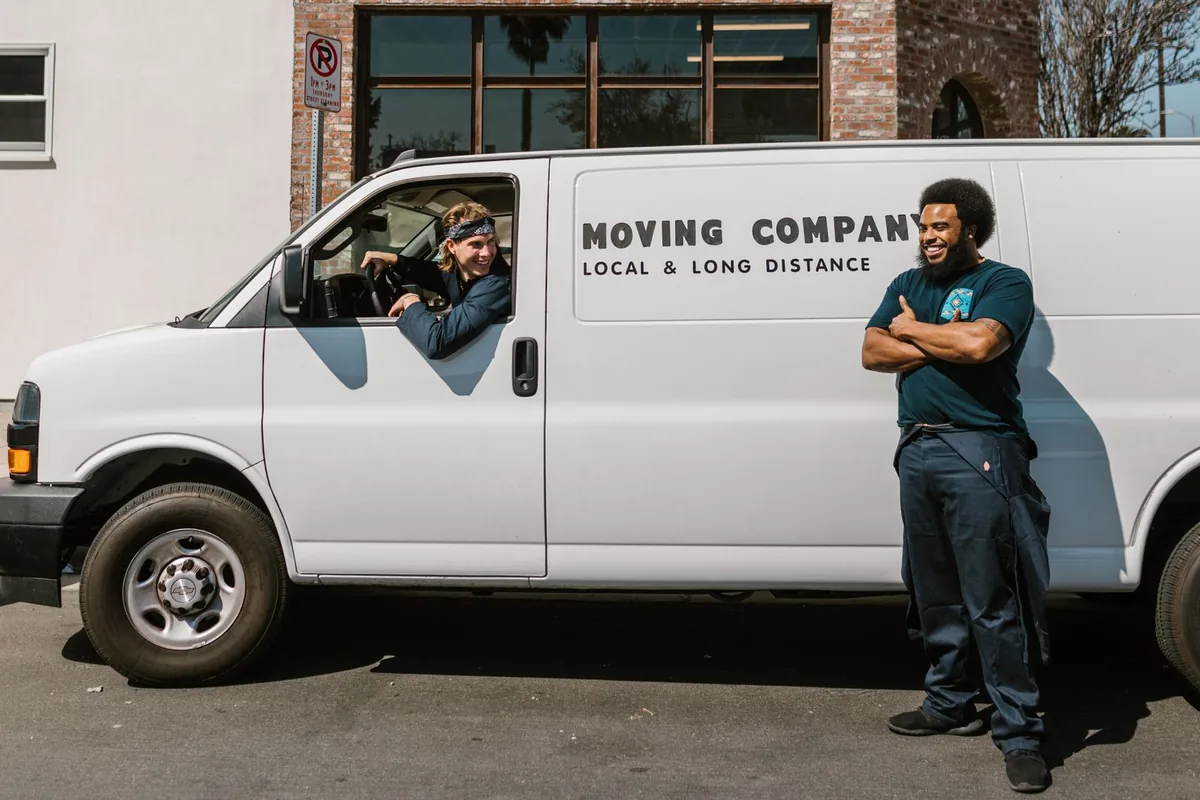
Once the truck is on its way there are four things left to do, and none of them involves moving anything: confirm the arrival window, keep your phone answerable, walk the route once, and shut the door on anything that is staying. Sorting the pile and staging it is a separate job that belongs to the days before, and it is covered on its own page. This one is about the last hour, which is where a twenty-minute collection and a morning-long one part company. For a same-day junk removal in Dubai the same four steps apply, only compressed into an hour.
The night before: three things that cannot wait until morning
Two of those four are much easier to settle the evening before, and one more thing belongs there with them: the approval your building asked for, which nobody will process at seven in the morning.
- Building or community approval confirmed and in hand — the lift booking, the time window, the gate registration, whatever your building asked for.
- The crew's number saved in your phone, and your phone charged and off silent, so an unknown local number at the barrier is not ignored.
- Anything that is staying moved out of the collection area and behind a door that shuts, rather than left standing beside the pile.

The morning of: confirm the window before you rearrange your day
Send a short message first thing to confirm the arrival window still stands. It takes seconds and it is the difference between planning your morning around a slot and waiting at home for one that has already moved.
Arrival windows exist for a reason worth understanding. A crew's previous job can run long for exactly the access reasons that might affect yours — a lift released late, a bay occupied, a longer carry than anyone expected. Asking for a call when they set off gives you a firmer time than any window does, and most companies will do it without being pressed.
Be reachable — this is the most common reason a crew is held up
An unanswered phone stops a job at the barrier more often than anything inside the flat does. In Dubai the last hundred metres of a collection usually depend on a call, not on a booking reference.
- Security at a tower or a gated community will often call the resident to authorise a vehicle it does not recognise.
- Several buildings in the same cluster can share a very similar name, and the driver needs you to confirm which one is yours.
- Larger developments have more than one entrance, and only you know which one is closest to your lift core.
- An access card or lift key sometimes has to be brought down in person before anyone can come up.
If someone else is at home and you are not, tell them the crew is coming and give them the number. A collection that is authorised in thirty seconds by whoever is nearest to the phone is the version everybody wants.
The ten-minute walk-through
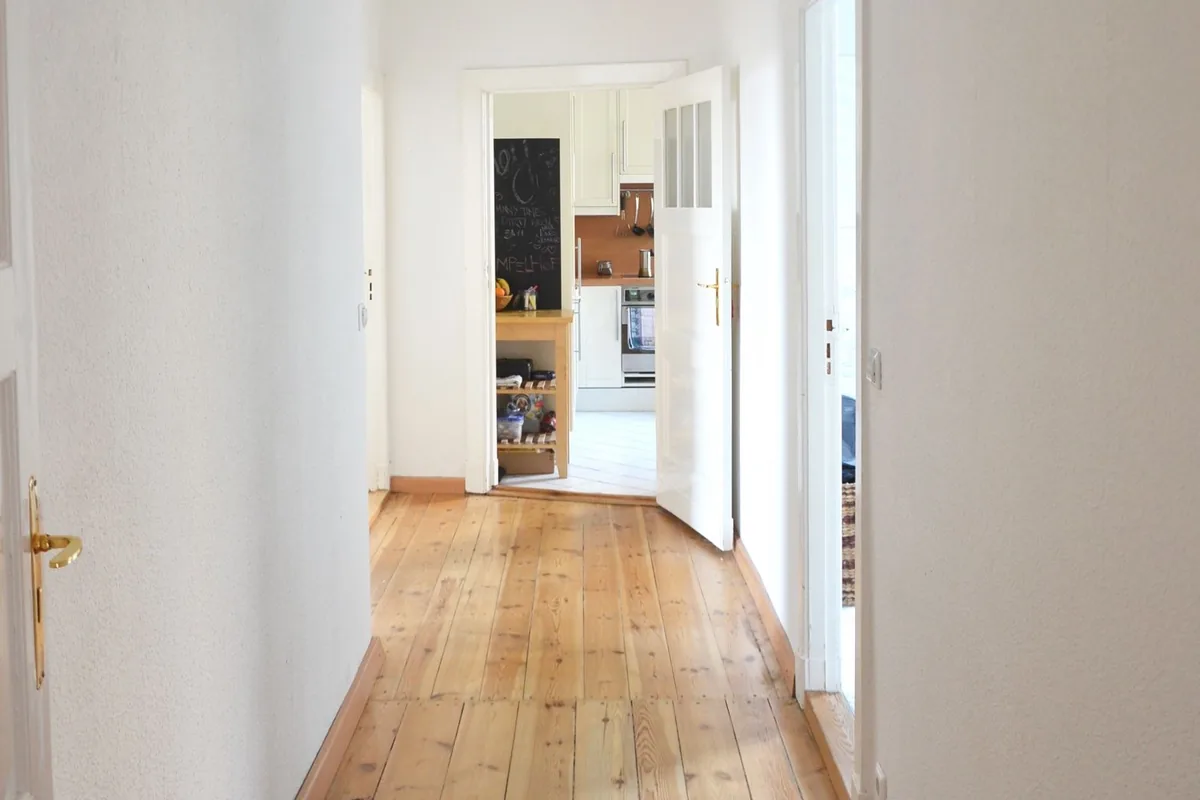
Ten minutes before the crew is due, walk the route yourself, in the direction the items will travel. This is a check, not a tidy-up, and it takes about as long as it sounds.
- Start at the pile and confirm everything in it is genuinely going.
- Look for anything that has drifted into the pile since you sorted it — this is where post, chargers and shoes turn up.
- Walk from the pile to your front door and move anything fragile out of the direct path.
- Open the door and check the corridor is clear as far as the lift or the stairs.
- Prop or unlock whatever needs to be open, and check the lift is actually working.
- Take a photograph of the room before anything moves, which takes five seconds and settles almost any question afterwards.
What to have to hand when the crew arrives
Keep these together somewhere you will not have to hunt for them while three people wait in your hallway.
- The access card, lift key or fob the building requires.
- Your unit number and the entrance you want the crew to use, written down rather than recalled.
- The gate registration reference or the security desk's number, if your community issued one.
- Whatever payment method you agreed when you booked.
- A clear spot near the door where items can be set down for a moment without blocking the route.
Pets, children and anyone else at home
A collection means a front door propped open and people walking in and out with their hands full for as long as it takes. Plan for that rather than reacting to it.
Cats and dogs go in a room with the door shut, because an open front door is an opportunity and a stairwell is not a safe place to chase anything. Small children are better out of the loading route entirely. If someone in the household is on calls for work, warn them the hallway is about to be noisy — it is a short job, but it is not a quiet one.
What not to start in the last hour
Four things are worth actively avoiding once the crew is on the road, all of them well-intentioned.
- Do not begin a fresh sort. Decisions made with a crew waiting are the ones people regret.
- Do not start dismantling furniture unless the company asked you to. Half a bed frame is harder to carry than a whole one.
- Do not carry heavy items down yourself to save time. Shared corridors and lifts are exactly where an injury or a scratch becomes complicated.
- Do not leave to run an errand. Windows close early as often as they run late.
The one genuinely useful thing left is to be present and decisive. A crew can work quickly through a room where every question has a fast answer, and slowly through one where nobody is sure.
Everything in the last hour comes down to removing questions before they get asked. If the crew can get in, reach you by phone, see what is going, and walk a clear line to the door, the collection itself is the shortest part of the whole exercise — and the part you barely have to think about.